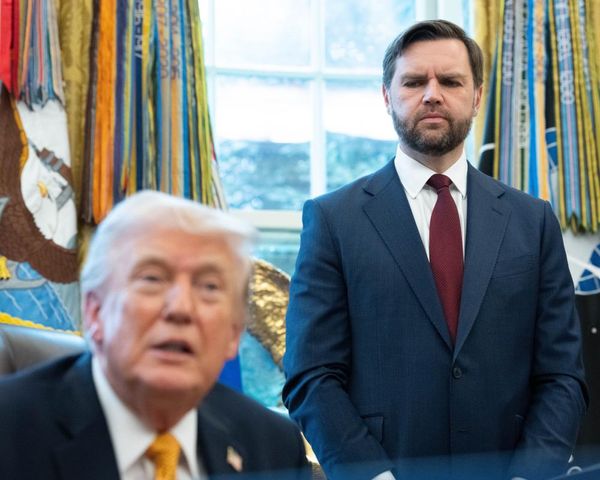
The Prime Minister has warned that further 'tougher' measures will be introduced if the government's current coronavirus advice is not adhered to.
Boris Johnson also urged people to follow the Government's advice over coronavirus saying: "You have to stay two metres apart and you have to follow the social distancing."
And he warned he will bring forward further measures if advice is ignored.
He said: "It's crucial that people understand that tomorrow that the schools are closed.
"I want, of course I do, people to be able to go to the parks, open spaces and enjoy themselves.
"It is crucial for health, physical and mental well-being.
"But please follow that advice and don't think that fresh air in itself automatically provides some immunity.
Do you have a coronavirus story to share? Email webnews@mirror.co.uk

"Take this advice seriously, follow it, because it's absolutely crucial."
Mr Johnson described the current advice as "absolutely crucial" and added: "We will bring forward further measures if we think that is necessary."
When the Prime Minister was asked about how children should be expected to keep apart, he said: "If children cannot observe the two metre rule then of course we should have to look at tougher measures."
The Secretary of State for Housing, Communities and Local Government, Robert Jenrick, went on to explain how the most clinically vulnerable people would be shielded.
"In recent weeks heroic workers in the NHS, social care and public services in local government have been shouldering the country's burden," he said.

"I think we owe it to them and the most vulnerable in society to stay home, to protect the NHS and, by doing this, to save lives.
"And so today we have to go further to shield the most clinically vulnerable people to help save their lives."
For those who are without close family members or people they can rely on, but are required to stay indoors, local hubs will provide help.
Medicines will be delivered by pharmacies and food parcels would be delivered by local councils and food distributors, Mr Jenrick said.
Members of the armed forces are supporting the effort.
He went on to lay out a series of preventative measures certain people should make to help protect society's most vulnerable from the coronavirus.
Those who are classified as extremely vulnerable will receive a letter of advice from the NHS before March 29.
They are strongly advised to stay at home at all times and avoid any face-to-face contact for a period of at least 12 weeks from the day they receive the letter.

Essential support staff, such as carers, have been told they can continue visiting those most at risk until they begin to show symptoms.
All people who come into the homes of those most at risk must wash their hands for at least 20 seconds when they arrive, and then again at regular intervals.
The extremely vulnerable should also avoid gatherings, but should keep in touch with their loved ones via technological means.
People who are not at risk themselves but live with someone who is should minimise the time they spend with them while trying to keep two metres away.

Separate sleeping arrangements should be made if possible and toilets and bathrooms should be cleaned between uses.
Meals should be eaten in different rooms, with dishwashers the ideal way to clean crockery and cutlery after meals.
The government also recommends everyone follows these basic principles of good hygiene:
- Wash your hands more often - with soap and water for at least 20 seconds or use a hand sanitiser. Do this after you blow your nose, sneeze or cough, and after you eat or handle food
- Avoid touching your eyes, nose, and mouth with unwashed hands
- Avoid close contact with people who have symptoms
- Cover your cough or sneeze with a tissue, then throw the tissue in a bin
- Clean and disinfect frequently touched objects and surfaces in the home
People who are considered extremely vulnerable are those with specific cancers, severe respiratory conditions, rare diseases, pregnant women with significant heart diseases and those on immunosuppression therapies.
The Government's full advice can be found here.