Almost 9,000 people could be prosecuted for failing to pay fines for allegedly violating coronavirus laws, official figures show.
Statistics given by the attorney general to parliament’s Justice Committee showed that by 25 August, under half of almost 19,200 penalties issued in England and Wales had been paid.
In a letter to committee chair Sir Bob Neill, Suella Braverman said 8,930 fines had been paid but a further 8,954 (8,325 England and 629 in Wales) “have not been paid and therefore fall to be considered for prosecution”.
Another 1,287 fines had not yet been paid but were not past the time limit that could trigger court action.
Violations of the Health Protection Regulations, which have been updated numerous times and now cover restrictions on gatherings, wearing of face masks and quarantine after returning from abroad, are currently punished with default £100 fines.
The penalty was increased from £60 in May, and repeat offenders can be fined up to £3,200 because the amount doubles for each repeat offence.
Paying a fine, which is halved if settled within two weeks, prevents prosecution but people can be charged with violating the Health Protection Regulations after 28 days.
Police forces admitted wrongly applying the law early in the outbreak and lawyers have raised concern that people may be paying fines for offences that they have not committed.
There are also discrimination concerns after statistics showed that police were twice as likely to fine young black, Asian and ethnic minority men for breaking coronavirus laws compared to white men of the same age.
There is no route to appeal a penalty apart from refusing to pay and risking prosecution, and the government has so far refused calls to review fines.
Kirsty Brimelow QC, a human rights barrister, said the law “unfairly and arbitrarily criminalises people”.
An ongoing review by the Crown Prosecution Service (CPS) found that by the end of July, 47 people had been unlawfully charged under the Health Protection Regulations in England and Wales.
A further 121 people were wrongly prosecuted under the separate Coronavirus Act, which was drawn up before lockdown and only applies to “potentially infectious persons”.
Further charges will add to a backlog of more than 500,000 court cases in England and Wales, which has caused long days to proceedings and a controversial legal change to keep people in custody for longer before trial.
Figures previously released by the National Police Chiefs’ Council (NPCC) show that the number of fines issued under the Health Protection Regulations dropped dramatically since lockdown was eased in May.
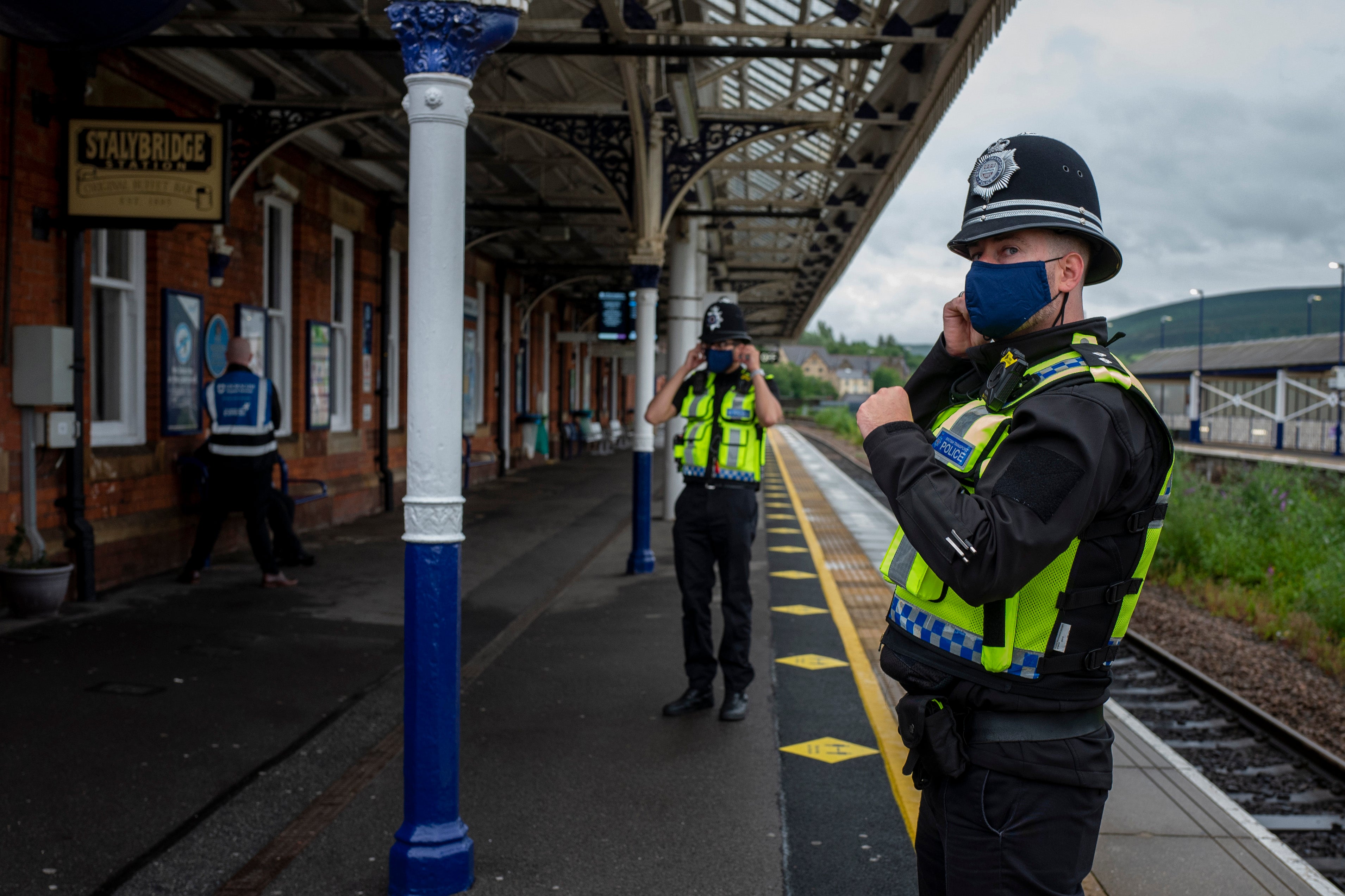
Members of the Police Federation, which represents rank-and-file officers, have said they do not have the capacity to enforce new “rule of six” restrictions that came into force on Monday.
Brian Booth, chair of the West Yorkshire Police Federation, told The Independent that officers “simply can’t enforce” the law as crime returns to pre-lockdown levels.
“We just don’t have the resources, the world has woken up again and it’s busy,” he added.
“We’re back to dealing with threat, risk and harm — domestics, assaults, missing people, mental health incidents, road accidents and everything that comes under normal policing.
“Resources are outstripped with that demand, never mind adding on Mrs Miggins reporting that seven people are having a barbecue next door.”
Boris Johnson’s official spokesman said enforcement of the law was “ultimately a decision for the police”.
“I would expect that today they would be encouraging people to follow the rules, but if in the coming days people do continue to flout them, we would expect the police to issue fines,” he said on Monday.
“They have adopted an approach throughout to engage, explain, encourage and then finally — if necessary — to enforce. I would expect that to happen here as well.
“The rules are in place to stop the spread of the virus and the public will expect them to be enforced, just as other laws are.”
The policing minister, Kit Malthouse, appeared to encourage concerned neighbours to alert police to potential violations and the Metropolitan Police said it was stepping up patrols in public spaces.