Britain has been ordered into an unprecedented lockdown as the coronavirus death toll climbed to 336, with all non-essential shops now closed.
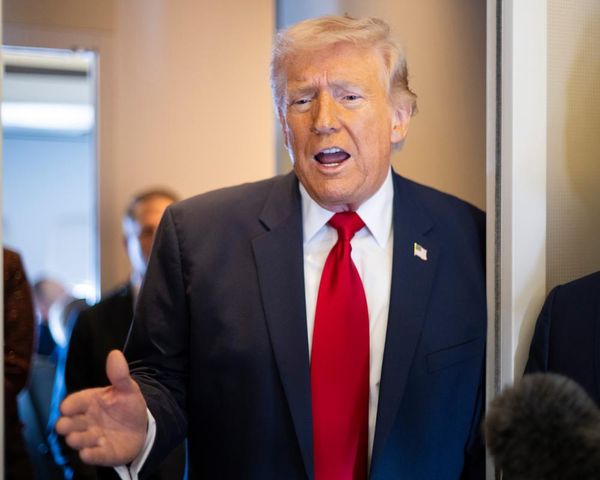
The worrying number of deaths and 6,650 cases from Covid-19, combined with many Brits' seeming inability to follow official Government guidance on avoiding public gatherings over the weekend, has led Prime Minister Boris Johnson into drastic action.
All those who do not perform key jobs must stay at home, apart from infrequent trips to buy food or essential medications and treatment, while outdoor exercise is allowed once a day.
Only food stores, corner shops, hardware stores, chemists, petrol stations and newsagents are allowed to remain open during the lockdown.

The emergency measures to tackle the spread will last for three weeks before being reviewed.
Restaurants, cafés, including workplace canteens, must remain closed, however:
Food delivery and takeaway can remain operational
As can cafés or canteens at hospitals, care homes or schools; prison and military canteens; services providing food or drink to the homeless.

All retail outlets must remain in lockdown with the exception of:
- Supermarkets and other food shops, health shops, pharmacies including nondispensing pharmacies, petrol stations, bicycle shops, home and hardware shops, laundrettes and dry cleaners, bicycle shops, garages, car rentals, pet shops, corner shops, newsagents, post offices, and banks
Outdoor and indoor markets must close but not:
Market stalls which offer essential retail, such as grocery and food
Hotels, hostels, BnBs, campsites and boarding houses for commercial use are to stay shut, except:
Where people live in these as interim abodes whilst their primary residence is unavailable they may continue to do so. Key workers can continue to stay in hotels or similar where required
Caravan parks/sites for commercial uses cannot operate apart from:
Where people live permanently in caravan parks or are staying in caravan parks as interim abodes where their primary residence is not available, they may continue to do so

Community centres, youth centres and similar will be closed
- However, facilities may remain open for the purpose of hosting essential voluntary or public services, such as food banks or homeless services. We will do everything to support vulnerable people who are without a network of friends and families.
Places of worship for services are not permitted to open, unless for:
- Funerals following the social distancing guidance; places of worship should remain open for solitary prayer.
- Live streaming of a service without audience would be permissible.
Finally, cinemas, theatres and concert halls are to close, though:
- Live streaming of a performance by a small group could be permissible with social distancing observed.
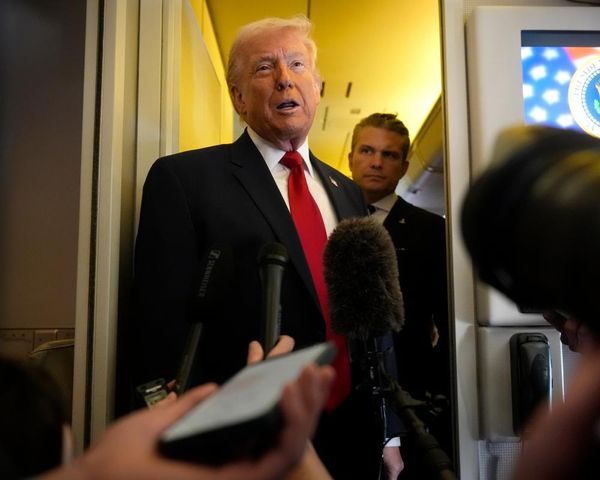
In a sober address, he said: “I know the damage that this disruption is doing and will do to people’s lives, to their businesses and to their jobs.”
He added: “At present there are just no easy options.

“The way ahead is hard, and it is still true that many lives will sadly be lost.”
The lockdown is being introduced by a Government regulation under the Public Health Control of Diseases Act 1984.
The PM spent days resisting mounting demands to trigger a Covid-19 shutdown.
Monday saw another 46 deaths in England, four in Wales and four in Scotland.
The disease could kill up to 70,000 people unless lockdown measures are beefed-up, research suggests.