An old coal mine in Poland is the unlikely setting for the most important international climate change discussions in years.
COP24 comes after a succession of reports in which scientists have made it abundantly clear that current efforts to avoid global warming catastrophe are not sufficient.
Over the next two weeks leaders will try to establish a set of rules to follow as they implement the Paris climate agreement targets. They will also discuss ramping up ambitions, and who is going to pay for these changes.
Leaders are assembling at the International Congress Centre in Katowice, Poland, next door to the city’s Coal History Museum – an unfortunate reminder of the host nation’s continued reliance on this high-polluting fossil fuel.
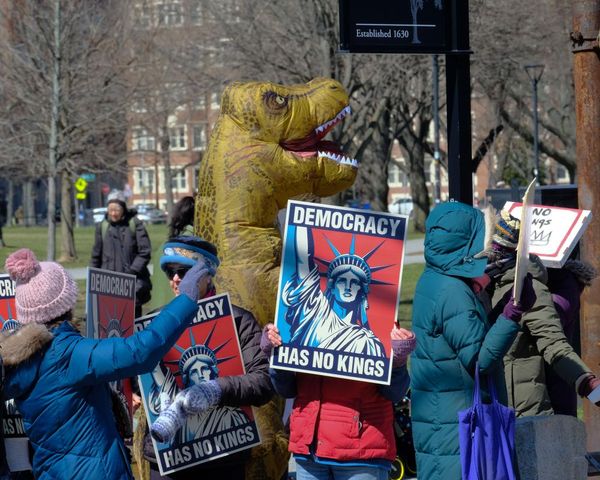
In London, Berlin and Brussels campaigners marched ahead of the event to call for international solidarity in the fight against climate change, at a time when leaders from Donald Trump to Brazil’s Jair Bolsonaro are doing the exact opposite.
Here you can follow the latest news from the event and reactions from around the word.

David Attenborough gives terrifying warning about climate change
The extinction of much of the natural world is on the horizon,' naturalist warns during COP 24
‘Why David Attenborough doesn’t deserve ‘the seat of the people’ at the next climate conference’
Let’s be clear: he is not a climate change expertPolitical leaders on Monday began arriving in the Polish coal city of Katowice where two weeks of talks have begun to revive the landmark Paris 2015 deal on climate change as dire warnings mount about a lack of action.
Representatives of some of the most powerful countries and biggest polluters will be conspicuous by their absence as the United States has said it is leaving the U.N. process and China was not expected to send its top politicians.
To maximise the chances of success, technical talks began on Sunday, a day earlier than planned, with delegates from nearly 200 nations haggling over how to implement the broad promises of the Paris deal on moving away from fossil fuel.
The talks in Katowice have been billed as the most important U.N. conference since the landmark Paris accord as they precede an end-of-year deadline to agree a "rule book" on how to enforce action to limit global warming to between 1.5 and 2 degrees Celsius.
Expectations for the Polish talks are low: the atmosphere of political unity built in Paris has been shattered by a wave of populist governments that place national agendas before collective action.
The host nation Poland remains committed to coal, the most polluting of fossil fuels, calling for a "just transition" to allow communities dependent on fossil fuel help in changing their lifestyle.
The riots in Paris at the weekend, partly in protest at higher fuel taxes, also illustrate the conundrum: How do political leaders introduce policies that will do long-term good for the environment without inflicting extra costs on voters that may damage their chances of re-election?
Delegates at the talks said the biggest issues were likely to include finance and the level of scrutiny associated with monitoring individual nations' emissions.
The U.N. has a goal to raise $100 billion every year from 2020 for climate action. To inject momentum, the World Bank Group on Monday said it would provide a further $200 billion over five years from the start of the next decade.
Other attempts to inject urgency into the Polish talks will include an intervention from British broadcaster and environmentalist David Attenborough, as well as the roughly 25 heads of state and government who are attending the talks.
Coal is set to be a contentious topic at this year's meeting, with the host country Poland still relying on the high-polluting fuel for 80 per cent of its electricity supply.
Last week Greenpeace activists climbed a 180-metre chimney at a power station in Belchatow, central Poland, to protest Warsaw's coal policies ahead of the climate talks.
As leaders begin to gather in Katowice on Sunday, dozens of Polish activists from the group Action Democracy picketed near the site.
There have been concerns ahead of the event that Poland's reliance on coal may affect how it behaves at the talks, and it certainly seems that the fossil fuel is difficult to escape in Katowice.
Not only is the event taking place near a coal museum based on the site of a former mine, DeSmog UK reported this week that one of the country's leading coal companies, Jastrzębska Spółka Węglowa (JSW), is actually sponsoring the event.

Ahead of the ceremony, four former UN climate talk presidents issued a statement calling for urgent action to tackle climate change:
What ministers and other leaders say and do in Katowice at COP24 will help determine efforts for years to come and either bring the world closer to meeting the goals of the Paris agreement — including protecting those most vulnerable to climate change — or push action further down the road.
Any delay will only make it harder and more expensive to respond to climate change
The meeting was given support the day before when every member of the G20 barring the US reaffirmed their commitment to the Paris climate agreement.
"Despite geopolitical instability, the climate consensus is proving highly resilient," said Christiana Figueres, a former head of the UN climate office.
"It is sad that the federal administration of the US, a country that is increasingly feeling the full force of climate impacts, continues to refuse to listen to the objective voice of science when it comes to climate change.”

Everything you need to know about the major new climate change summit COP24
Major event is seen as opportunity to take more ambitious approach to tackling global warming and establish rules for countries to followGareth Redmond-King, head of climate change at WWF, explains what ideally needs to come out of COP24 if we are to save the planet from climate catastrophe.

'We’re running out of chances to save the planet from climate change – but here’s how it can be done'
Developed countries in particular must aim for net-zero emissions before 2050. With the right action in the UK, that could be possible by 2045
Demonstrators in Brussels took to the streets in their thousands on Sunday as part of the “ Claim the Climate” march.
Protesters said richer nations needed to lead the way in transitioning the world to a greener future, and used COP24 as an opportunity to call for a change to domestic policies such as the UK’s focus on fracking, or coal mining in Germany.
Claire James from the Campaign against Climate Change, who helped organise the march, said:
It is vital that richer nations, such as the UK, lead the way, by doing what is actually the minimum required in this crisis - an urgent transition to a zero carbon economy.
We can do this, but we need to start now - for example to reverse the ban on new onshore wind in England, halt unpopular fracking, cancel the third runway at Heathrow and invest instead in sustainable transport to make ordinary people’s lives easier.
COP24 will be a crucial moment in the fight to stop climate breakdown.With the UN warning we have just 12 years to limit climate catastrophe the decisions made by global governments in Poland next week have the potential to make or break our ability to face the future.The UK must show political leadership by ditching climate wrecking policies like fracking and airport expansion, and committing to the bold and radical action we need to save the planet.
At an event that has been hailed as “Paris 2.0”, we’ll be keeping track of the big announcements to emerge from the meeting as well as the reaction to it around the world.
It has been a big year for the climate change discussion, and experts hope these talks will prove fruitful and set us on a path to a cleaner future. This should include a set of rules for countries to follow in meeting the Paris goals, more money pledged to tackling climate change, and an indication that countries are going to aim for even deeper cuts in their greenhouse gas emissions.
With two weeks of diplomatic wrangling ahead, it remains to be seen how optimistic these goals are.