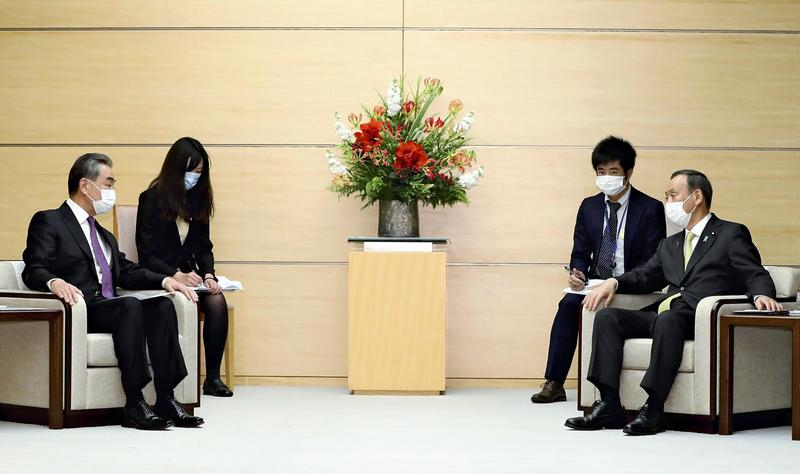
A palpable mood of cooperation was evident in a meeting between Prime Minister Yoshihide Suga and visiting Chinese State Councillor and Foreign Minister Wang Yi on Wednesday in Tokyo. Although tension continues over the issue of the Senkaku Islands in Okinawa Prefecture, the desires of both countries for a "stable bilateral relationship" were behind the cooperative atmosphere created in the meeting.
During the meeting, Suga told Wang: "I welcome Chinese State Councillor Wang's visit to Japan from my heart. I'm glad that visits by high officials of Japan and China have resumed." The prime minister expressed his stance of attaching importance to cooperative relations between the two countries.
At the start of the meeting, when Wang exchanged a fist-bump-style greeting with Suga, he waved at TV cameras with a smile.
In the meeting, Suga asked the Chinese side to refrain from provocative activities by Chinese government vessels in the waters around the Senkaku Islands. But a senior official of the Japanese Foreign Ministry said that the overall atmosphere of the meeting was harmonious.
Suga's basic stance toward China is to seek actual benefits in terms of the economy while holding China in check in terms of security. He is following the strategy adopted by his immediate predecessor, former Prime Minister Shinzo Abe.
Before meeting with Wang, Suga had already met with U.S. Secretary of State Mike Pompeo and Australian Prime Minister Scott Morrison, among others, to solidify unity among them in order to put pressure on China. However, Suga is seen by some as being less interested in security matters than Abe was, and rather puts more emphasis on the economy. So it remains to be seen how Suga will balance security and the economy in dealing with issues related to China.
Suga is positive about promoting economic exchanges with China, Japan's largest trading partner. Since the promotion of a strategy to make Japan a tourism-oriented country, to which Suga had contributed when he was the chief cabinet secretary, has been disrupted by the spread of the novel coronavirus, he seems to be hoping to ease travel between the two counties in a full-fledged manner so that the resumption of visits contributes to economic reconstruction.
On the other hand, the Chinese side aims to improving bilateral relations, while opposing moves by Japan, Australia, India, the United States and others that could become an "encircling net" around China.
China seems to have an intention that it would be better to make efforts to improve relations with Japan, believing that the basic U.S. stance toward China will not change under a new U.S. administration to be led by President-elect Joe Biden.
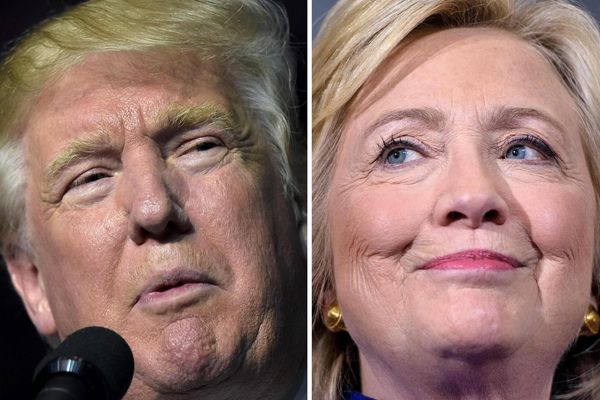
Taking skeptical view of the current U.S. administration led by President Donald Trump having turned its back on multinational frameworks, China is moving to expand its influence and break down the encircling net around China, such as by signing the Regional Comprehensive Economic Partnership agreement, together with Japan, South Korea and other countries.
Suga and Wang also expressed mutual support for the success of the Tokyo Olympics and Paralympics scheduled for next summer and the 2022 Beijing Winter Games. If the Tokyo Games are not held due to the influence of the coronavirus, the impact could reach the Winter Olympics, set to occur only about six months later. Thus, as a researcher on diplomacy in Beijing expressed, the Chinese side has fervent hope that the Tokyo Olympics will be held.
Wang contributed to the cooperative mood in the meeting because he wanted to set an environment for Chinese President Xi Jinping's state visit to Japan, which has been postponed due to the pandemic. According to a source related to the Chinese government, Xi has still shown a strong intention for his visit to Japan.
However, in the meeting, neither Suga nor Wang mentioned Xi's visit to Japan, apparently taking into account the strong negative feelings toward China in Japan and the world over the issue of the Senkaku Islands and the situation surrounding Hong Kong.
In addition, Japan intends to determine the outlook on the U.S.-China confrontation in response to the transfer of power in the United States.
Therefore, there are voices within the Japanese government that Japan should use the realization of Xi's visit to Japan as a carrot to coax a cooperative stance from China.
Moriyama is based in Tokyo; Higa is based in Beijing.
Read more from The Japan News at https://japannews.yomiuri.co.jp/