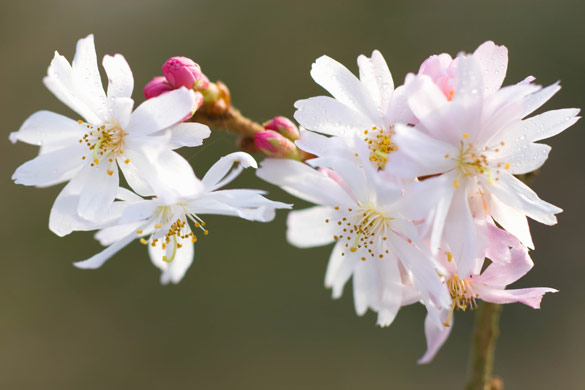
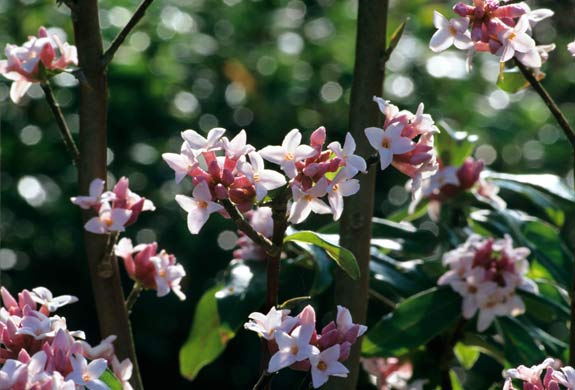
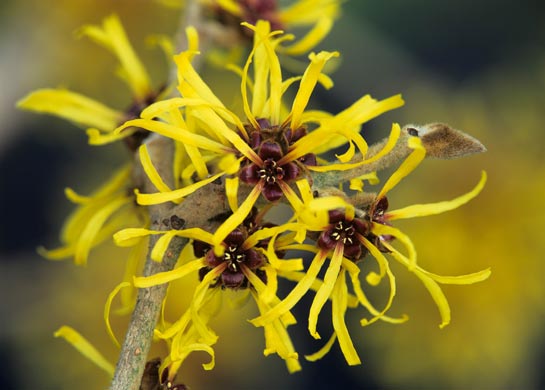
Prunus x subhirtella: 'Autumnalis' is graceful in growth, sporadically producing a flush of semi-double, white flowers that have a whiff of almonds. It is open enough in structure to allow plenty of planting beneath, and has bronze and Morocco-red autumn leaves. Try to buy in flower: P. subhirtella has many forms, most flowering much later into spring, and many get mislabelled as 'Autumnalis'. Good for: sun or light shade, a "specimen" by a gate, or as part of the shrubbery.Photograph: Richard Bloom/GapDaphne odora: This stocky evergreen has wonderfully scented, pink flower clusters, and 'Aureomarginata' has leaves irregularly margined in off-white; alternatively, D. odora var. 'rubra' offers a deeper shade of pink. Even better for scent, though needing more shade and damp, is D. bholua (pictured); every twig bears a cluster of four-petalled flowers, white in the species, pink in 'Sir Peter Smithers'. Good for: growing in partial shade beneath "backbone" plants.Photograph: S&O/GapHamamelis x intermedia: 'Pallida' is the best of the witch hazels; a good "two season" plant with golden yellow autumn colour. Some specimens have the trademark ribbon-flowers, but no scent. Good for: sun or shade, any good soil.Photograph: SJ Sira/Gap
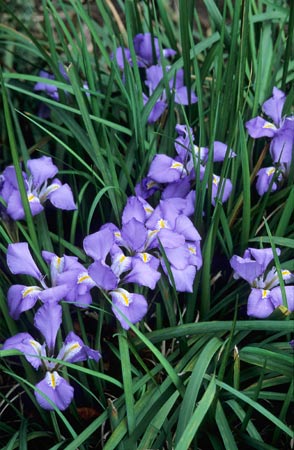
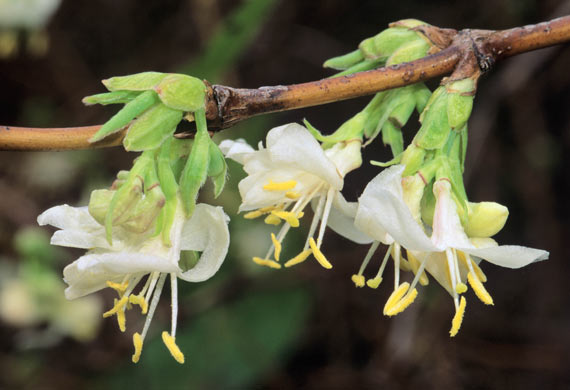
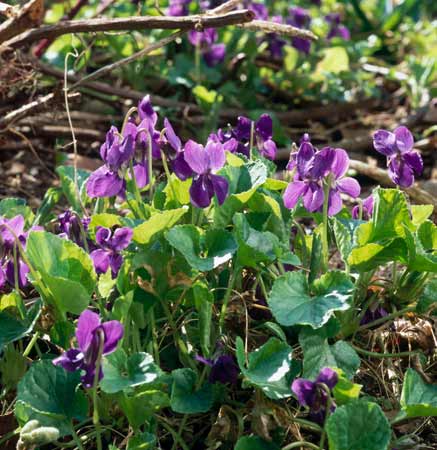
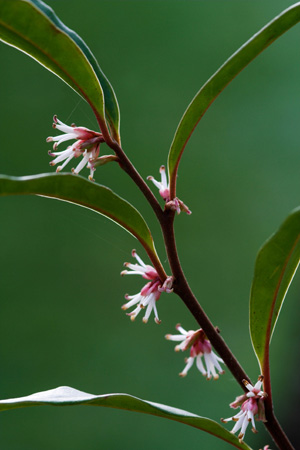
Iris unguicularis is hardy, but its scented blue flowers are easily weather-beaten: take indoors in heavy rain or frost. Perfect, long-stalked flowers emerge from a clump of arching, narrow leaves - try the almost white 'Walter Butt' or the deep violet 'Mary Barnard'. Good for: planting in borders against a sunny wall.Photograph: Howawrd Rice/GapLonicera fragrantissima sports clusters of cream flowers whose perfume, somewhere between lilac and jasmine, will wind around the garden. Indoors, twigs flower for a week or two, and then root happily in water. The hybrid L. x purpusii is similar, and perhaps a better bet for more flowers. Good for: light screening or hedges; will take some shade; hardy.Photograph: JS Sira/GaoViola odorata is named for the delicious perfume of the flowers, but the scent also permeates the leaves. There are huge numbers of varieties; 'Admiral Avellan' has reddish-purple blooms and is one of the best. Good for: winter ground cover in shade, flowering in late spring.Photograph: AlamySarcococca aren't the most thrilling of plants come spring, but they have the most exquisite perfume of all. Sarcococca hookeriana can be hedged, but is best thinned with secateurs. Good for: sun or shade, by the front gate or as a screen. Put small plants in 15cm pots to bring the scent indoors.Photograph: Dianna Jazwinski/GapViburnum farreri flowers between October and May, discouraged only by very cold nights. It's a vigorous grower, so coppice a third or so of the bush every second season. V. x bodnantense has pinker flowers; 'Candidissimum' is purest white. Cut the flowering twigs to bring the sweet, almond scent indoors. Good for: sun or light shade, any soil.Photograph: Mark Bolton/GapMahonia japonica will sprawl, but it has flowers with a smell to make your knees go weak. The tidier hybrids, such as Mahonia x intermedia 'Winter Sun' (pictured), flower abundantly, but have not a whiff of perfume.Photograph: Neil Holmes/Gap
Sign up to read this article
Read news from 100’s of titles, curated specifically for you.