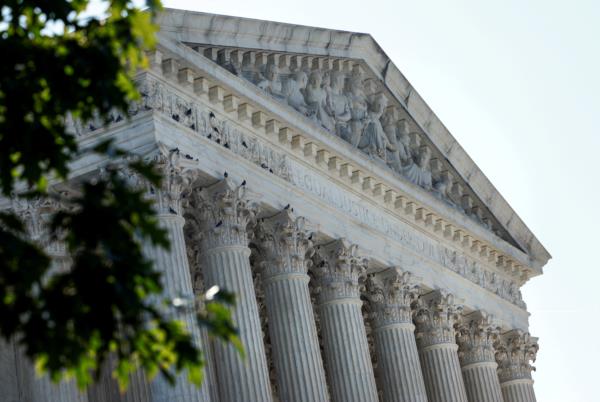
A recent victory for a consumer watchdog group in the US Supreme Court has brought attention to the ongoing debate surrounding agency powers in the country. Despite the win, concerns remain about the future of these agencies and their ability to protect consumers.
The case in question involved a dispute over the structure of certain government agencies and whether they have too much power. The Supreme Court ruled in favor of the consumer watchdog, affirming the importance of these agencies in safeguarding consumer rights.
However, critics argue that the decision may not be enough to secure the long-term viability of these agencies. There are ongoing discussions about potential reforms that could limit the powers of these agencies or even dismantle them altogether.
Proponents of the agencies point to their crucial role in regulating industries, enforcing consumer protection laws, and holding corporations accountable for their actions. They argue that weakening these agencies could leave consumers vulnerable to exploitation and harm.
On the other hand, opponents believe that these agencies have overstepped their bounds and need to be reined in. They argue that excessive regulation stifles innovation and hinders economic growth.
The debate over agency powers is likely to continue in the coming months as policymakers, industry stakeholders, and consumer advocates weigh in on the issue. The outcome of these discussions could have far-reaching implications for the future of consumer protection in the United States.
As the dust settles on the recent Supreme Court decision, all eyes are now on how the government will address the concerns raised about agency powers. The balance between regulation and innovation remains a delicate one, and finding a solution that satisfies all parties involved will be a challenging task.