
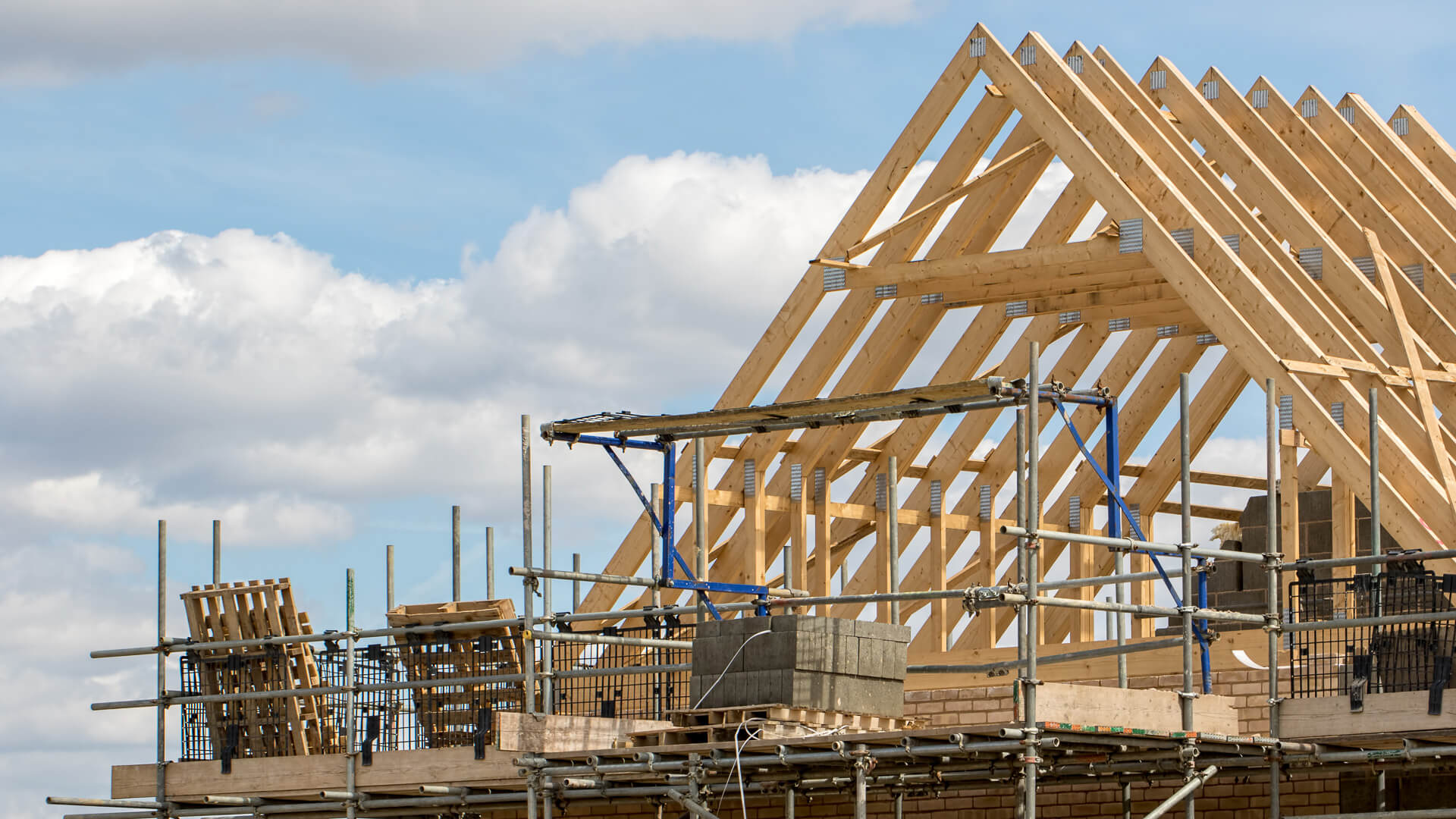
The federal government’s newest tariff actions could make new homes more expensive to build.
In June, the U.S. increased tariff rates on most imported steel and aluminum from 25% to 50%, per the White House. Two months later, it expanded those duties to 407 additional items, including structural steel derivatives, appliance components and construction-equipment parts, according to the Federal Register.
Learn More: Mark Cuban — Trump’s Tariffs Will Affect This Class of People the Most
Check Out: How Middle-Class Earners Are Quietly Becoming Millionaires — and How You Can, Too
These moves hit at a time when builders are already dealing with labour shortages, elevated financing costs and stubborn material inflation. The National Association of Home Builders (NAHB) estimates the latest tariff wave could add roughly $10,900 to the cost of constructing a typical new home. Will these new tariffs and surging building costs affect home prices, as well?
Experts Say Contractors Feel It First
Albert Bou Fadel, founder and CEO of SmartBarrel, said the impact of tariffs shows up on bid sheets long before buyers feel it.
“Tariffs hit construction long before a homebuyer ever sees the price tag,” he said. “For core materials like steel and aluminum, even a 10 to 25% tariff increase quickly shows up as higher bids because metals flow through every structural element, framing, rebar and building system. Lumber is similar: The U.S. relies on Canada for roughly 80 to 85% of its softwood imports, so any tariff movement there can add thousands of dollars to a typical home’s shell.”
Be Aware: I’m a Real Estate Agent — 7 Places To Avoid Buying a House in 2026
Appliances and electrical systems follow the same pattern. According to Bou Fadel, “Over 60% of major home appliances sold in the U.S. have imported parts or assemblies. This means that tariffs on upstream components lead to higher prices for wiring, fixtures, HVAC equipment, and kitchen packages.”
Concrete is mostly domestic, but costs still creep up through imported additives and equipment.
But here’s where it gets more complicated: Rising materials erase a contractor’s margin for error.
“From my experience, the real impact isn’t just pricier materials; It’s that contractors instantly lose their ‘buffer,'” Bou Fadel said. Once materials spike, every delay, scheduling slip or rework becomes dramatically more expensive. The jobsite gets less forgiving overnight.
Why NAHB Estimates a $10,900 Increase
NAHB’s figure reflects the roughly 7% of homebuilding materials that are imported and the higher 50% tariff rate now applied to many key inputs. Bou Fadel calls the estimate “directionally accurate” but stresses it’s a national benchmark.
“Homes with multiple appliance packages or more imported metal content can see much higher increases, while smaller starter homes that rely heavily on domestic materials may fall below that average,” he said.
Will Higher Costs Push Home Prices Up?
The short answer is: Maybe. Whether higher construction costs translate into higher home prices is still unclear, and recent research points in different directions depending on the market.
October research from Brookings finds that rising material costs can slow overall housing production as builders delay projects or scale back plans. That slowdown can put upward pressure on prices over time, especially in markets already dealing with shortages.
Other reporting suggests the effects may show up differently. In its July earnings call, D.R. Horton, the nation’s largest homebuilder, said affordability constraints have led the company to “increase incentives to drive traffic and incremental sales,” rather than raising prices outright. That means buyers in some regions may see more mortgage-rate buydowns, closing-cost help or adjusted upgrade packages instead of immediate price jumps.
At the same time, some experts say that in markets where demand remains strong, higher material costs can still result in higher sticker prices. Real estate analyst Sain Rhodes at Clever Offers notes that, historically, tariff-driven material spikes have been followed by “price increases within 30 to 90 days, then demand destruction and reduced building activity within four to six months.”
In short, higher construction costs don’t guarantee higher home prices, and the impact varies by local market and timing. Some areas may see more incentives or slower building schedules instead of higher prices, while others could experience direct price increases if demand remains strong.
More From GOBankingRates
- Trump's $2K Dividend: Who Qualifies and How You'll Get It
- Could Homer Simpson Support His Family in 2025?
- How Middle-Class Earners Are Quietly Becoming Millionaires -- and How You Can, Too
- 5 Things You Must Do When Your Savings Reach $50,000
This article originally appeared on GOBankingRates.com: Construction Costs Could Surge $10,900 from New Tariffs — Will Home Prices Follow?