Conservative backbench MPs have voted to bring forward the beginning of the party’s leadership election to this week, leading to the replacement of David Cameron as early as the beginning of September, and tipped to throw their name into the hat for leadership include Boris Johnson and Theresa May among several others.
But, having delved into statistics from Hansard, what would leadership under each Tory candidate look like for students and young people? Brace yourself, because it makes for pretty miserable reading, demonstrating strong party control and line-toeing MPs largely removed from the needs of young people growing up in an increasingly socioeconomically unstable environment:
Boris Johnson
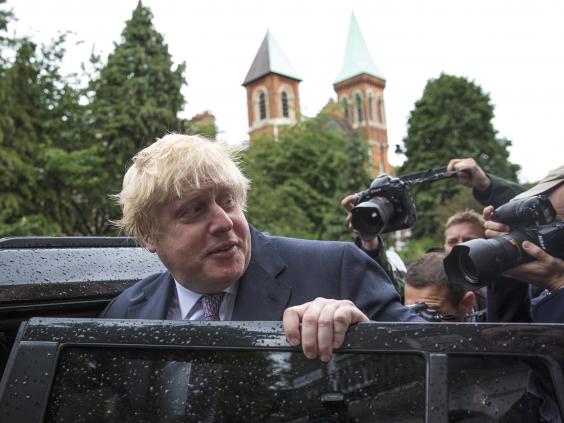
As one of the bookies’ main favourites, the ‘bumbling buffoon’ surprisingly seems to come out on top for Britain’s youth. Whilst not a Member of Parliament during 2010’s tripling-of-tuition-fees debacle, the former Shadow Minister for Higher Education did oppose the motion to increase fees to £3,000 a year in 2004, and had supported the Liberal Democrat fee abolition policy. In his ministerial role, he also took a meritocratic stance, promoting “hierarchies of excellence” in a think-tank speech, arguing that the Government should “get the funding right and then stand back and let students and institutions do the rest.”
As Mayor of London, Johnson advocated the relaxation of caps on international student numbers, supporting the need for a globalised education as highlighted by academics since the Brexit news broke. Despite this, records show a consistent disregard for the welfare state and inclination toward stricter immigration laws, perhaps at odds with the view of much of today’s youth. So, what we do know looks pretty good for students - what we don’t is if a leadership bid will shift him further into the right direction to echo his previous and decent stance on higher education.
Theresa May
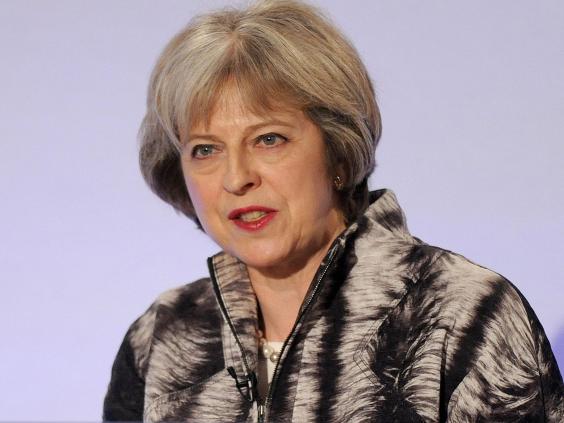
As Johnson’s main competition and bookies’ other favourite, May is highly experienced and likely to be backed by numerous MPs as the ‘Stop Boris’ option. The Home Secretary’s voting record shows a slightly more progressive track record than some of her competitors, repeatedly voting in favour of marriage rights for LGBT+ people. Despite this, though, she has followed the classic Conservative line on most other young people’s issues; voting in favour of tuition fee hikes and benefit reductions and against spending public money on guaranteeing jobs for the long-term unemployed, as well as capping charges on tenants by letting agents.
May also opposed Johnson’s stance on international students, calling for universities to “develop sustainable funding models that are not so dependent on international students.” This came despite them contributing billions to the British economy and enriching the education provided by our own institutions. May was also the brains behind the highly-opposed Prevent strategy. TheyWorkForYou states that, in 2013, May “voted against calling on the Government to take real action on jobs, affordable accommodation, rising energy and water bills, and the costs of travel to work.” With the Home Office set to become the centre of a full inquiry into her department’s treatment of international students also, perhaps she’s not the best representative for young people trying to make their way in the world, then.
Andrea Leadsom
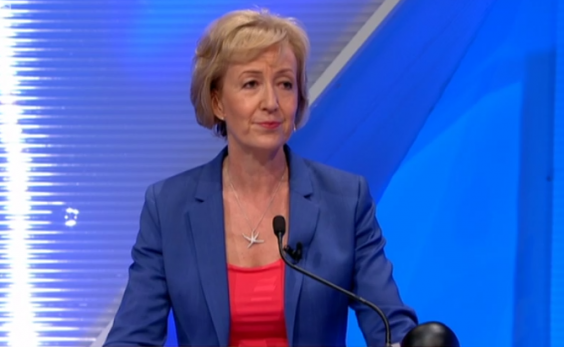
A prominent Brexiteer and Minister of State for Energy and Climate Change, Leadsom is emerging as an important player within the Conservative Party. She’s never rebelled against her party in the current parliament, and has voted with them in the vast majority of cases since becoming an MP in 2010. Like May, though, she voted in favour of increased tuition fees and scrapping the Education Maintenance Allowance (EMA), and against bills proposing an increase to the minimum wage and boosts to housing. Confusingly, as Energy and Climate Change Minister, she voted against several environmental bills, including setting decarbonisation targets (though she has opposed fracking), perhaps damaging her integrity credentials and likelihood to deliver sustainable policies for the younger generation.
Stephen Crabb and Sajid Javid
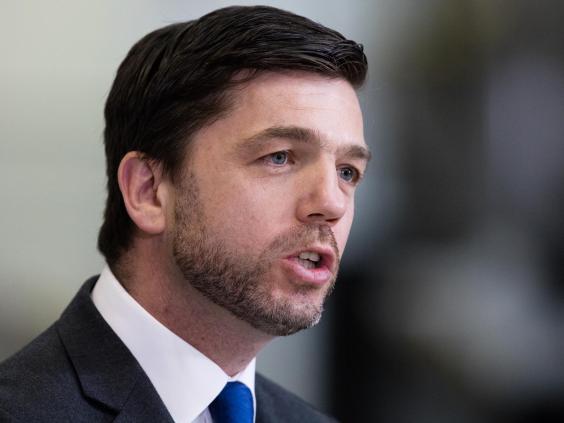
Despite having grown up on a council estate and not conforming to the stereotypical privileged image of the Tory Party, the Secretary of State for Work and Pensions certainly possesses a traditional Conservative voting history. Crabb opposed increases to benefits in line with inflation and economic policies beneficial to young people, and voted in favour of raising tuition fees and ending EMA. His social issues record is dodgy too, with votes against LGBT+ rights and links to homophobic charity, Christian Action Research and Education, as well as opposition to an Equality Act motion concerning caste discrimination. Going forward, Crabb seems unlikely to bring about any progressive change or benefits for young Brits, in spite of his supposedly aspirational outlook.
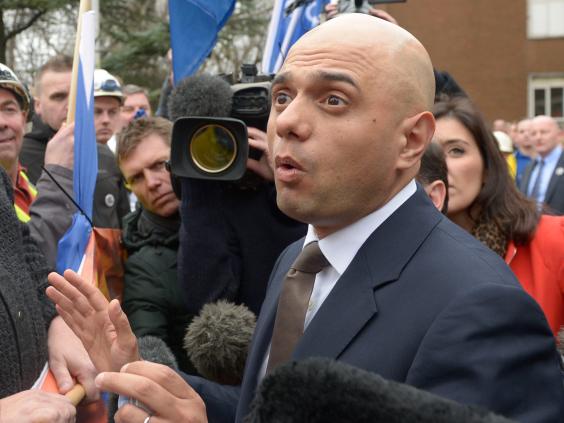
Tipped to run as Crabb’s deputy, Secretary of State for Business, Innovation and Skills, Sajid Javid, has an almost identical voting record on student and young people’s issues. Despite this, earlier this year, he launched a multi-million pound fund to boost degree apprenticeships, and has worked to increase teaching standards and increase social mobility for disadvantaged groups within the education system. This, combined with his slightly more liberal social issues stance, might demonstrate a candidate more in tune with the needs of young people than some of the competition - but one that’s certainly at odds with his co-bidder.
Jeremy Hunt
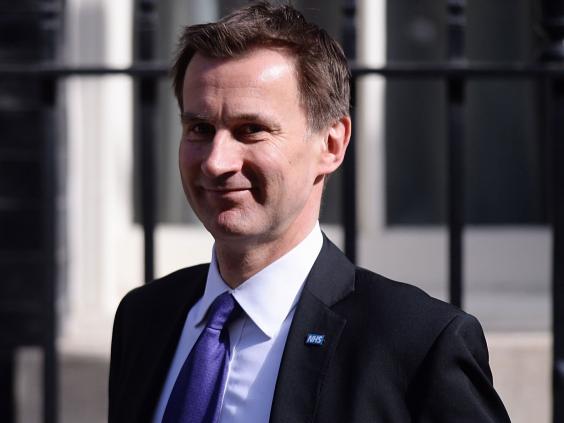
As of late, his name has left a bad taste in the mouths of many but this morning, the Health Secretary told Good Morning Britain he is “seriously considering” running for leadership despite previous claims his current role would be his “last big job in politics.” As with May, Crabb, and Javid, Hunt has voted for increased tuition fees alongside reduced financial support for students, and gone against calls for economic policies concerning housing, rail fares. and energy costs, all which could have significantly benefitted young people.
A pro-Remain campaigner, he has suggested a second referendum or general election take place once a deal on Brexit conditions has been negotiated in a bid to provide “some kind of democratic endorsement” to the country’s departure, which might appeal to some of the pro-Remain student population. But, as the only potential candidate to focus on the referendum result so far, Twitter commentators have united in amused cynicism at his apparent bid to get us to forget his lengthy contract dispute with junior doctors.
Liam Fox
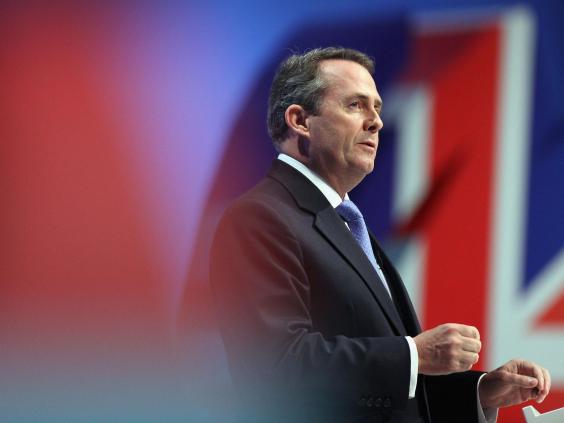
Similarly to his peers, Fox has voted against economic policies including an increased minimum wage, boosts to housing supply, and job guarantees for young people and the long-term unemployed, as well as against welfare benefits. He also joined them in voting to increase tuition fees to £9,000 and failed to vote either way on the scrapping of EMA. As former Secretary of State for Defence, his focus has been largely removed from issues directly concerning young people and the state of higher education, and his forced resignation after breaching ministerial standards and giving rise to security concerns raises worries over his integrity as a leader. On the other hand, his website lists a ‘pub price watch’ as one of his priority campaigns. Students: take from that what you will.