Conservationists have branded 2025 the “year of the octopus” after the eight-legged creatures were spotted in British waters in the highest numbers since the 1950s.
Rising temperatures and a “warm breeding season” led to record sightings of the octopus vulgaris (common or Mediterranean octopus) in south Cornwall and Devon, according to The Wildlife Trust’s annual report.
The charity said it had been left “flabbergasted” by the “incredible” numbers of octopuses - which are native to UK waters but in such small numbers they are not normally seen - spotted during the year.
The invertebrates were filmed “walking”, cleaning themselves, mating, and even grabbing at an underwater camera, it added.
Around 233,000 octopuses were caught by local fishers in Cornwall this year - around 13 times the usual amount, Matt Slater, a marine conservation officer at Cornwall Wildlife Trust, told The Guardian.
Exceptionally mild temperatures can lead to a “bloom”, or increase in the population, due to a warmer breeding season where larvae are more likely to survive. But a recording of this size has not been seen since 1950, the charity said.
It added it expected 2026 to see even higher numbers of octopuses prowling UK seas, with the World Meteorological Organisation predicting rising global temperatures over the next five years.
“Octopus eggs are surviving our warming winters so we are likely to see a regular occurrence of octopus blooms in future years,” it said in its annual report.
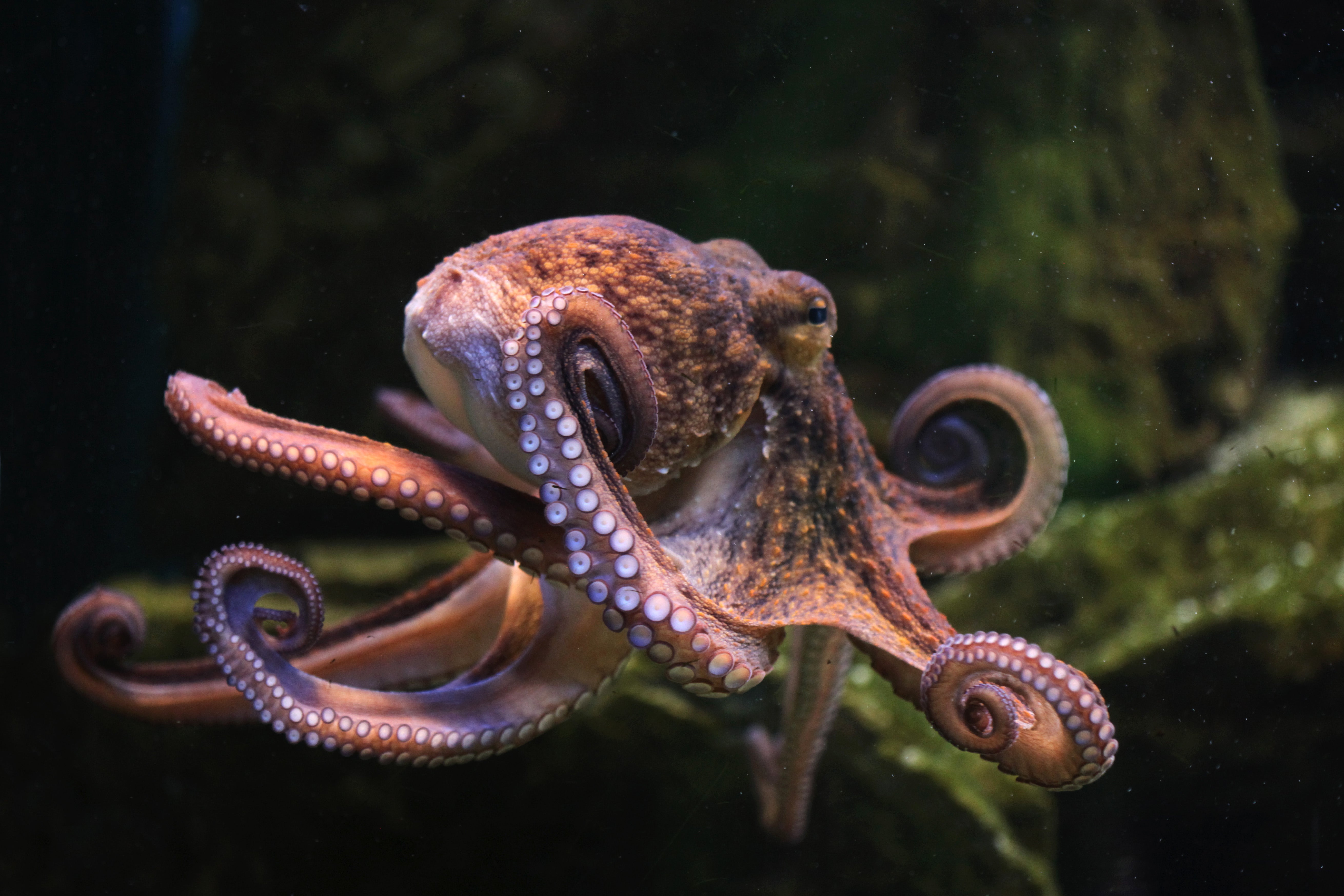
It added fisheries would need to “adapt”, as octopuses largely feed themselves on lobsters, crabs and shellfish.
The charity reported a number of other surprising marine discoveries over the year, including the first UK record of a pink-orange “hair curler” sea slug in Cornwall. Usually resident in the Caribbean, Mediterranean, and western Atlantic coasts, sightings of the nudibranch Spurilla neapolitana had, until now, only been made as far north as Brest, France.
One of the world’s rarest sharks, an angelshark, was also spotted in Cardigan Bay, Wales. The critically endangered shark was caught on underwater cameras for the first time in four years.
Ruth Williams, head of marine at The Wildlife Trusts, said the year had been “bookended” by environmental disasters including the North Sea tanker collision in March and the release of tonnes of bio-beads off the Sussex coast in November.
“Despite the year’s challenges, we’ve had moments of joy and wonder,” she said. “Our conservationists have celebrated successes such as the first signs of puffin breeding on the Isle of Muck and transplanted seagrass growing healthily off the Essex coast.
“They’ve also been flabbergasted by the incredible numbers of octopuses recorded this year.”
In Pictures: He was adored – Star-studded send-off for Stone Roses’ Mani
WSJ's parent firm on trial in Hong Kong, accused of dismissing reporter over union role
Giant lazy Susans bring people together at Mississippi restaurant
Activists celebrate animal welfare plans to ban hen cages and pig farrowing crates
Christmas warning after 100-tonne fatberg discovered in London sewers
More than 10 rescued after huge sinkhole opens in canal in ‘major incident’