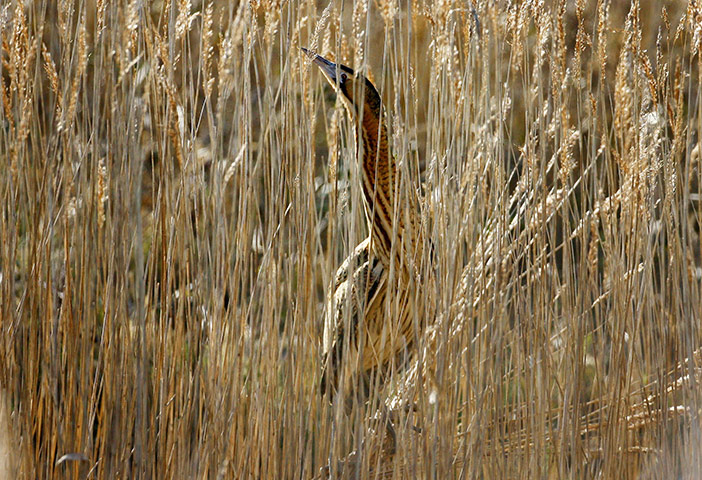
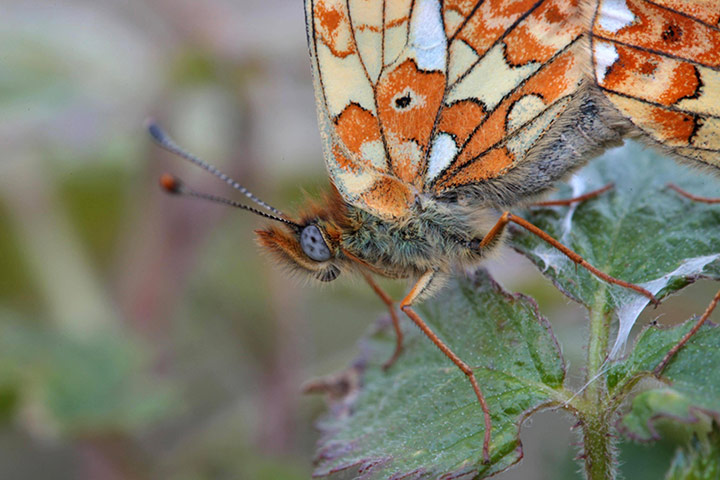
The bittern, one of Britain's rarest birds, is booming again after research revealed record numbers across the countryPhotograph: Gareth Fuller/PAThe pine marten, one of Britain's rarest and most elusive mammals, is back - and the reason is it never quite went away. A new report reveals pine martens are not confined to the fringes of the UK as was assumed, but that they have been living a secret life under our noses for decadesPhotograph: Andy Rouse/guardian.co.ukDespite a fine spring and above average summer temperatures in 2010, the heavy rain of the previous summer affected many species - including the rare pearl-bordered fritillary, which had its second worst yearPhotograph: Forestry Commission/PA
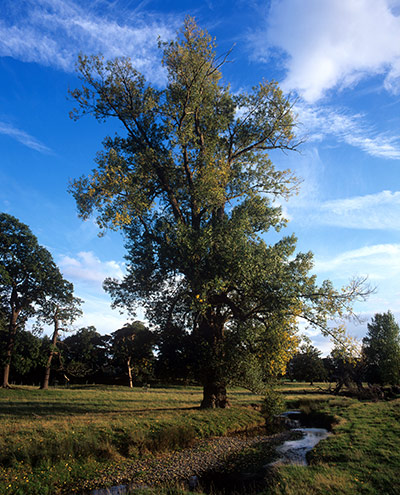
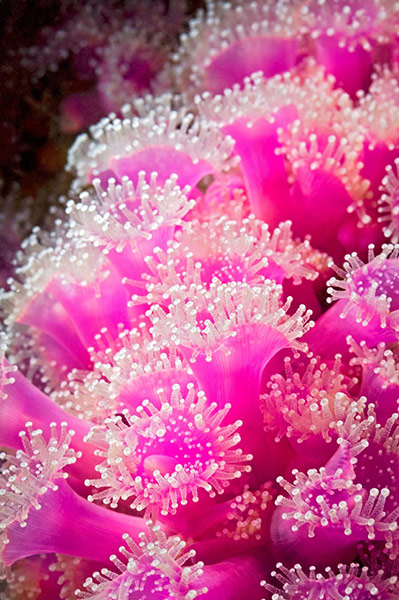
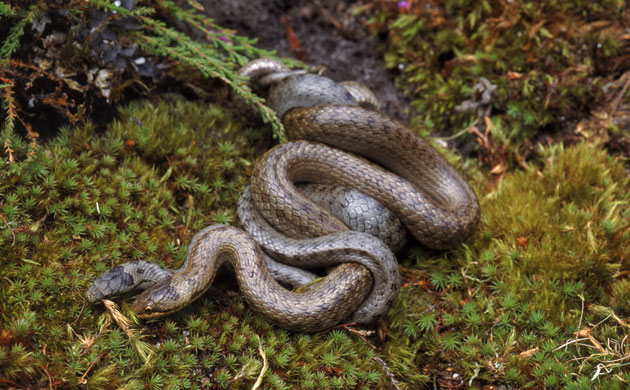
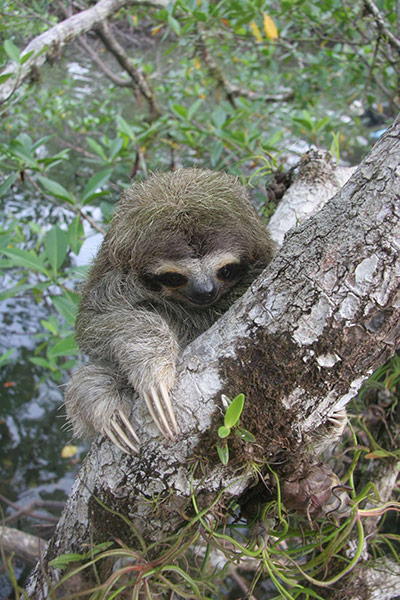
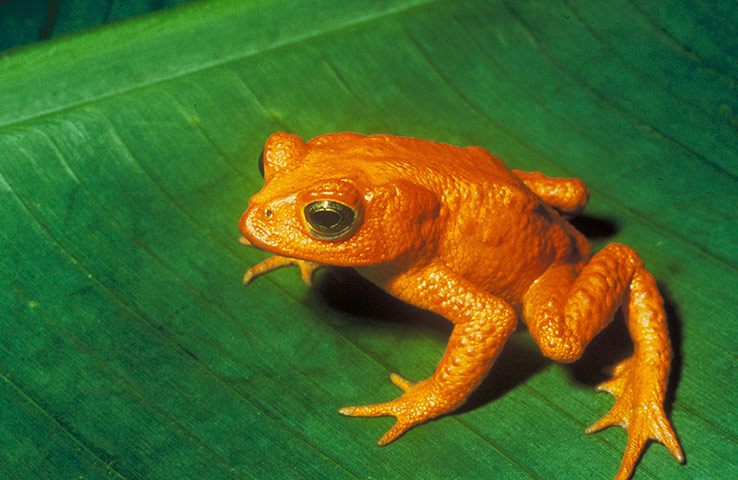
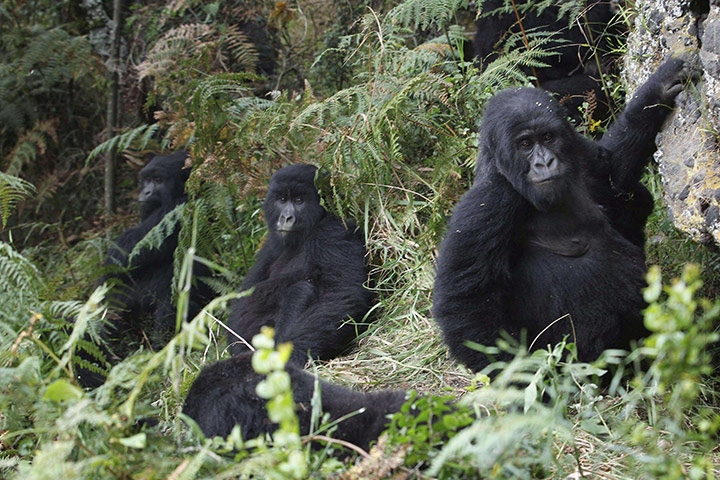
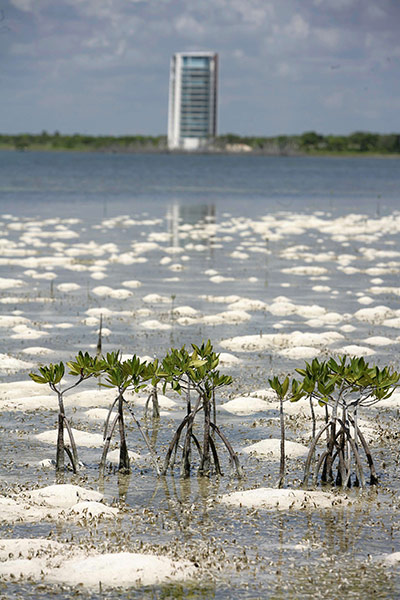
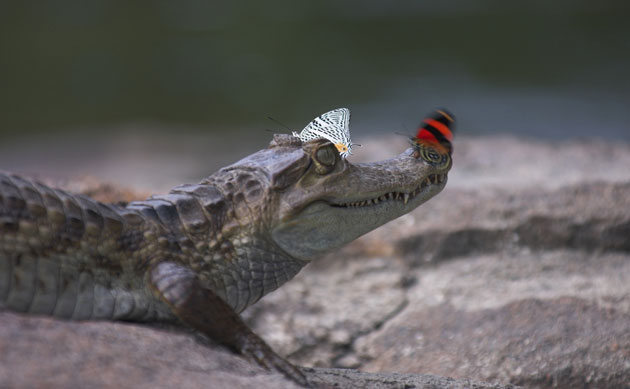
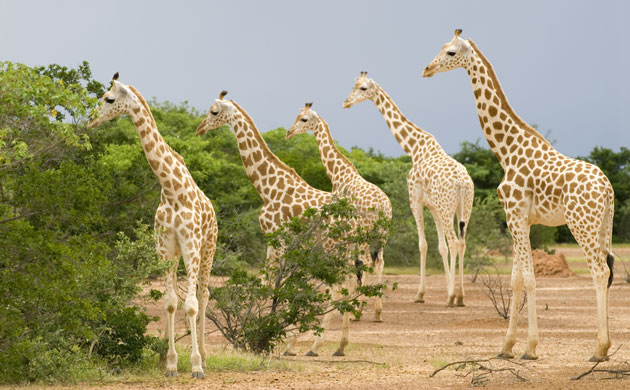
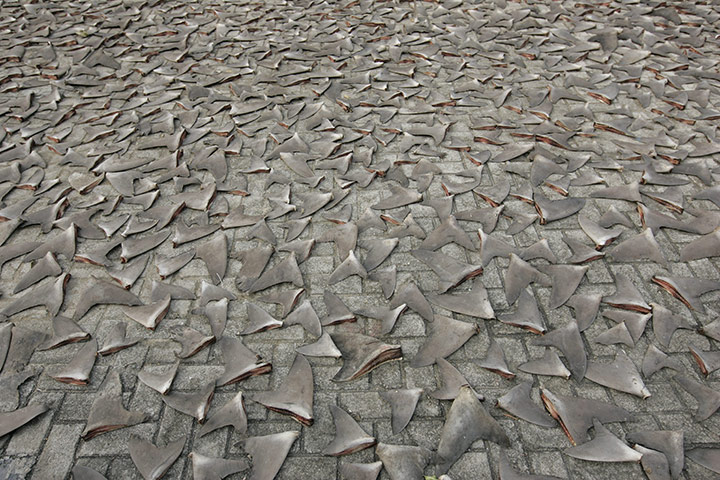
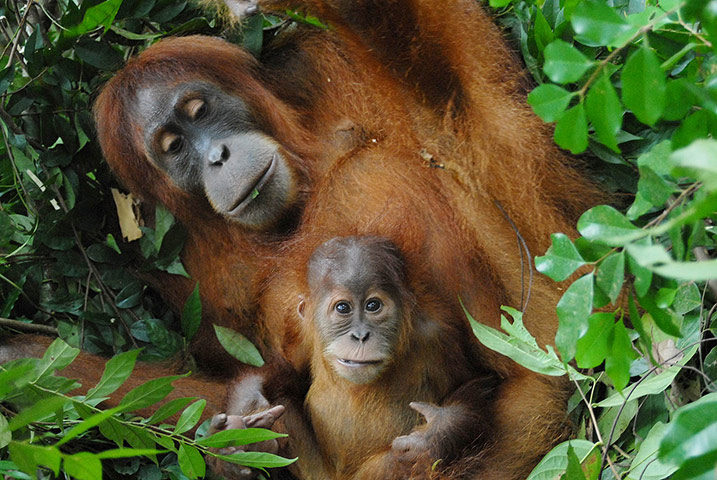
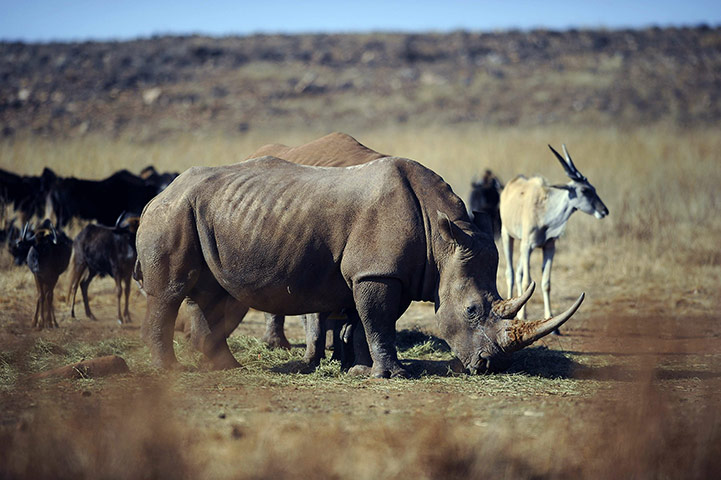
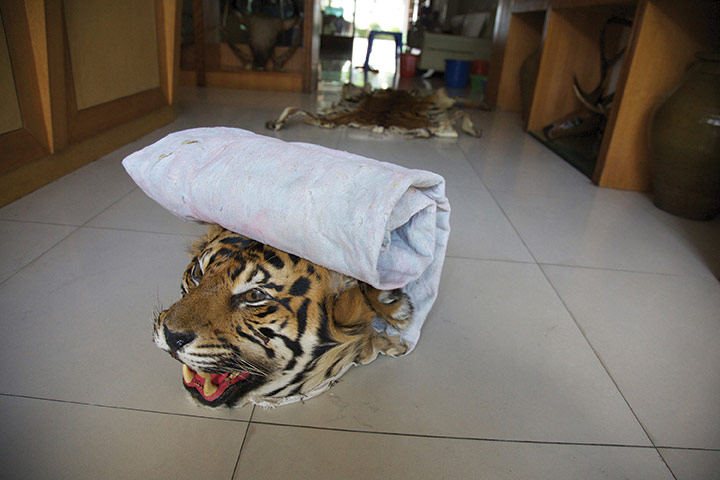
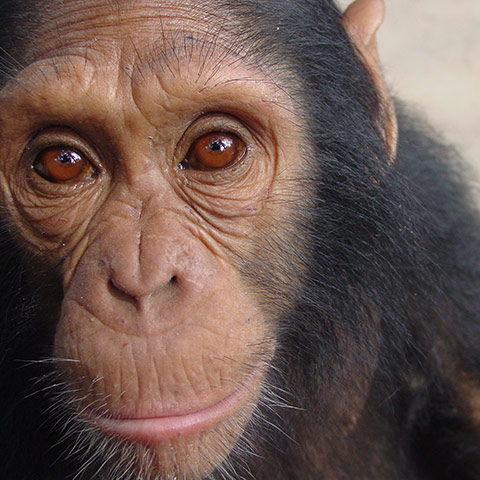
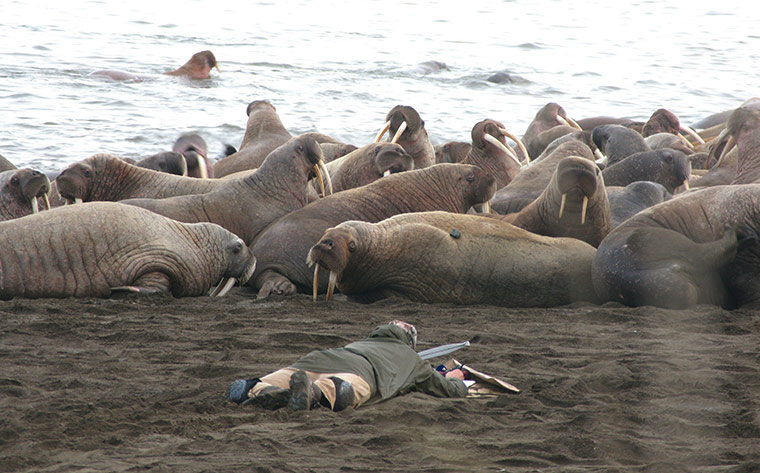
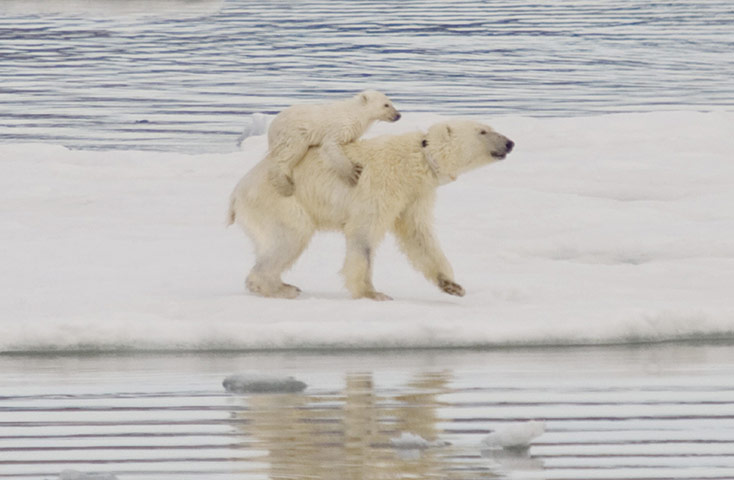
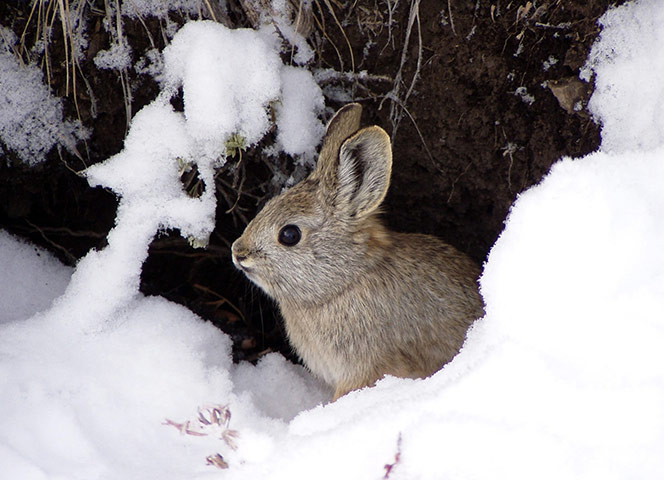
The black poplar tree, thought to be Britain's most endangered native timber tree, has been in decline for the past 200 years. The Crown estate has been taking cuttings as part of conservation efforts to save the treePhotograph: AlamyJewel anemones (Corynactis viridis) at the Liazrd, Cornwall. This year the UK created 15 new protected areas for marine life, where fishing, dredging and other activities, including wind turbines, are to be banned or restrictedPhotograph: Paul Kay/Natural EnglandSmooth snakes (Coronella austriaca) mating, Dorset, Britain. Snakes are declining at alarming rate, say scientists, who suspect the sharp reduction in numbers in a variety of habitats in five countries is caused by habitat loss and prey. As vital predators in sensitive habitats such as rice fields, the decline will have wide ecological consequencesPhotograph: Tony Phelps/Nature Picture Library / Rex Features/guardian.co.ukThe pygmy three-toed sloth was named in a list of 'weird mammals under threat of extinction' - 100 evolutionarily distinct and globally endangered mammals that have the fewest living relatives, making them profoundly valuable for the world's biodiversityPhotograph: Bryson Voirin/ZSLA golden toad, (Incilius periglenes), last seen in Costa Rica in 1989. More than a third of amphibian species are under threat of extinction due to environmental change - this species is among the top 10 lost amphibiansPhotograph: Conservation InternationalMountain gorillas from the Kabirizi family in Virunga national park, in the Democratic Republic of Congo. The number of mountain gorillas living in the Virunga Massif has soared by 26.3% since 2003, according to a new census. The increase in numbers from 380 to 480 individuals is thanks to 'immense' efforts to reduce poaching and disease, scientists said – but should not be read as a sign that the fight to save the highly endangered species is overPhotograph: Finbarr O'reilly/ReutersMangrove plants grow on a shore in Cancún, Mexico. In the 40 years since Cancún was founded, countless acres of mangrove forests up and down Mexico's Caribbean Coast have been lost - and the destruction continues. Now many scientists say that mangrove forests can help slow climate change, and are desperate to save themPhotograph: Stringer/ReutersButterflies alight on a Caiman in the Amazon's Cristalino state park, which is one of the most biodiverse reserves in the region. After more than three years of work by Fauna & Flora International (FFI) and other organisations, the management plan for the 184,000-hectare park was finally completed in MarchPhotograph: E Bowen-Jones/guardian.co.ukWest African or Nigerian giraffes (Giraffa camelopardalis peralta) look smart in the desert of southern Niger. The species has been a rare example of good news for endangered wildlife, with conservation efforts restoring their numbers from 50 in the late 1990s to around 200 todayPhotograph: Shanna Baker/guardian.co.ukHuge numbers of sharks are being caught by fishing fleets in India and Indonesia solely for their fins. These are often removed while the shark is alive: the mutilated animal is then thrown overboard. Finning – which is largely sold as gourmet meat in China – is having a devastating impact on shark populationsPhotograph: Alex Hofford/EPASumatran orang-utan - The majority of surviving Pongo abelii live in the province of Aceh in northern Sumatra, Indonesia. Some of the world's leading ecologists this year set out an ambitious project to create a 'barometer of life' to track the changing fortunes of the natural world that would help endangered species such as the orang-utanPhotograph: Nick Tignonsini/SOSA rhinoceros grazes in a private reserve in Krugersdorp, north of Johannesburg. With rhino horn in demand in south-east Asia for its supposed medicinal purposes, South Africa and its neighbours are fighting an increasingly gruesome battle against poachers, including armed security guards and electronic taggingPhotograph: Stephane De Sakutin/AFP/Getty ImagesTiger parts for sale at one of the many retail outlets in Burma. Burma border markets act as deadly trade gateway for tigers, shows a report published by Traffic and WWF. Provincial markets and retail outlets at the Burmese towns of Mong La, near the China border and Tachilek, on the Thai border, were found to play a pivotal role in the distribution of big cat parts including whole skins, bones, paws, penises and teethPhotograph: Adam Oswell/TRAFFICAn 18-month study of remote human settlements deep in the Congolese jungle warned that chimpanzees are are being subjected to a 'wave of killing' by hunters pursuing them for bushmeat. One consequence is the continual growth in the number of 'bushmeat orphans' - those infants who are too small to be killed for meat, and are often put on the black market for sale as pets. These pictures tell the story of just a few orphaned Eastern chimpanzees that researchers encountered. This male, Django Mayanga, found in Buta in July 2008, went in to a sanctuaryPhotograph: Laura Darby/African Primates/IUCNIn September, scientists investigated a rare mass migration of thousands of walrus from the ice floes to dry land along Alaska's coast. Researchers from the US Geological Survey (USGS), who have been tracking walrus movements using satellite radio tags, say 10,000 to 20,000 of the animals, mainly mothers and calves, are now congregating in tightly packed herds on the Alaskan side of the Chukchi Sea, in the first such exodus of its kindPhotograph: USGS /EPAIn November, the Obama administration set aside 187,000 square miles in Alaska as a 'critical habitat' for polar bears, an action that could add restrictions to future offshore drilling for oil and gas. Research in December also found that the polar bear can be saved from extinction – but only if action is taken quickly to make deep cuts to greenhouse gas emissionsPhotograph: Angela Plumb/PAA pygmy rabbit in Salmon, Idaho. The hardships facing the pygmy rabbit, a diminutive species that inhabits the sagebrush steppe of the western United States, are not sufficient to warrant protections under the Endangered Species Act, the US Fish and Wildlife Service said in OctoberPhotograph: HO/Reuters
Sign up to read this article
Read news from 100’s of titles, curated specifically for you.