Last Saturday, Kaila Charles made the 20-minute trek from her hometown to the nation's capital to take part in a Black Lives Matter protest following the killing of George Floyd by a former Minneapolis police officer.
Having grappled with horror, sadness, fear and anger over the last few weeks, the Connecticut Sun rookie found the scene in Washington, D.C. _ one that featured a large, racially diverse turnout _ to be "beautiful." She left with a renewed sense of hope.
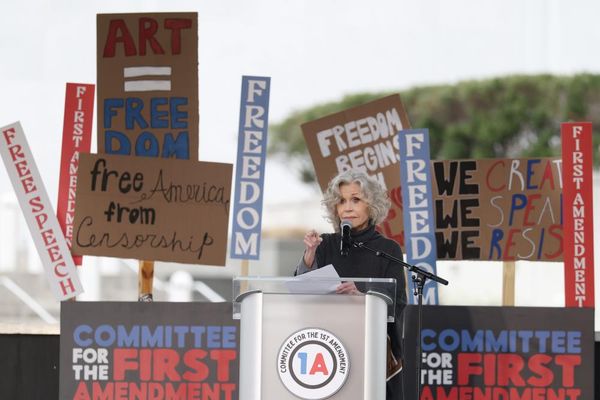
Beyond using her First Amendment rights that day in D.C., Charles knows that she has a platform that she can use to help bring about societal change. The same goes for her Sun teammates and her peers across the WNBA, where 80% of the players are black and whose athletes don't typically shy away from activism.
And while the league contemplates its role moving forward in pushing for racial justice, the players will be keeping their foot on the gas _ that much is guaranteed.
"Right now what you're seeing is a time of people not being afraid to speak on things that before could have resulted in tarnishing your image, having a bad reputation, being seen as the person who always pulls the race card, or you could literally lose opportunities for speaking up continuously about race," said Jasmine Thomas, the Sun's veteran point guard. "It's been like a survival mechanism: You want to feed your family, you want to have better opportunities, you want to survive in this country, and you know that in order to do that, it usually involves being silent.
"And that is what we're no longer doing."