GENEVA (Reuters) -
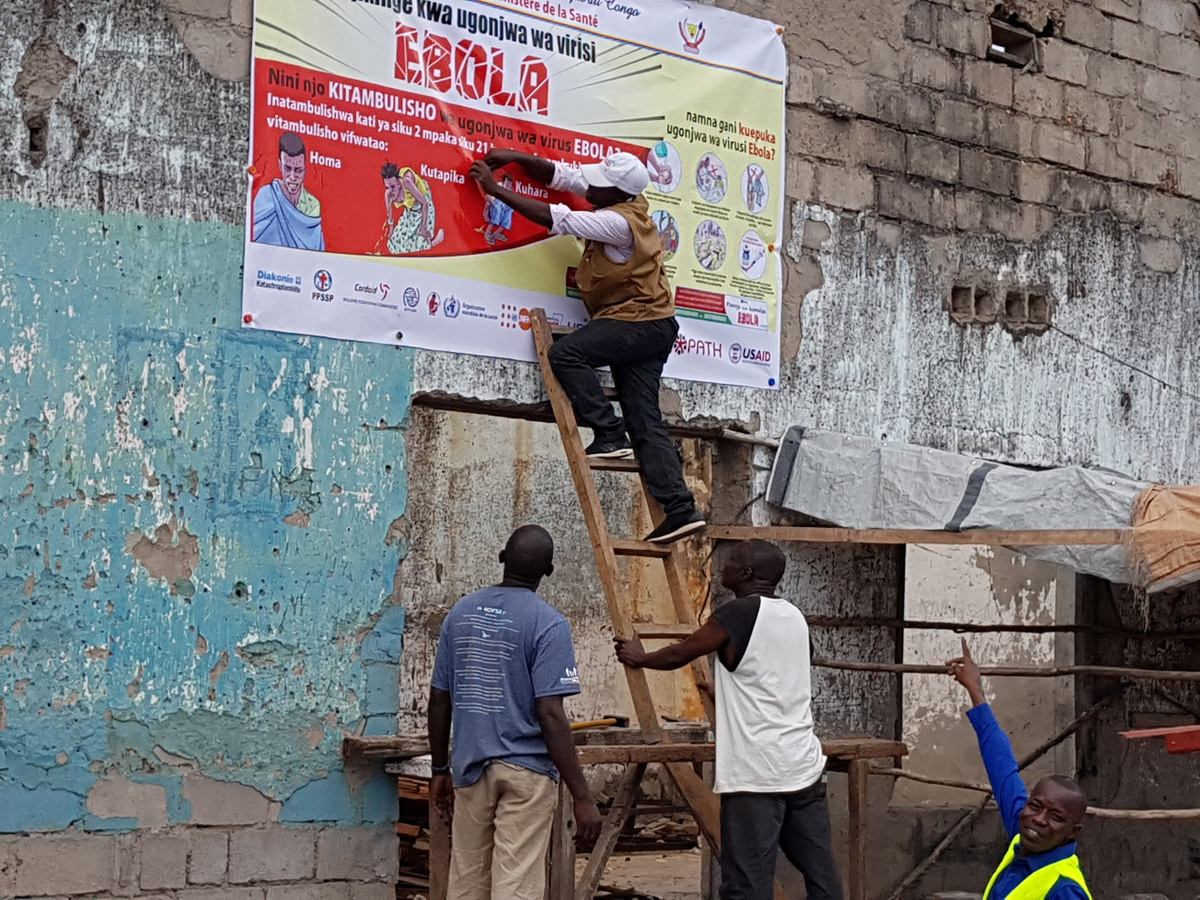
The Ebola outbreak in Democratic Republic of Congo is likely to worsen significantly unless the response to it is stepped up, an emergency committee of experts convened by the World Health Organization said on Wednesday.
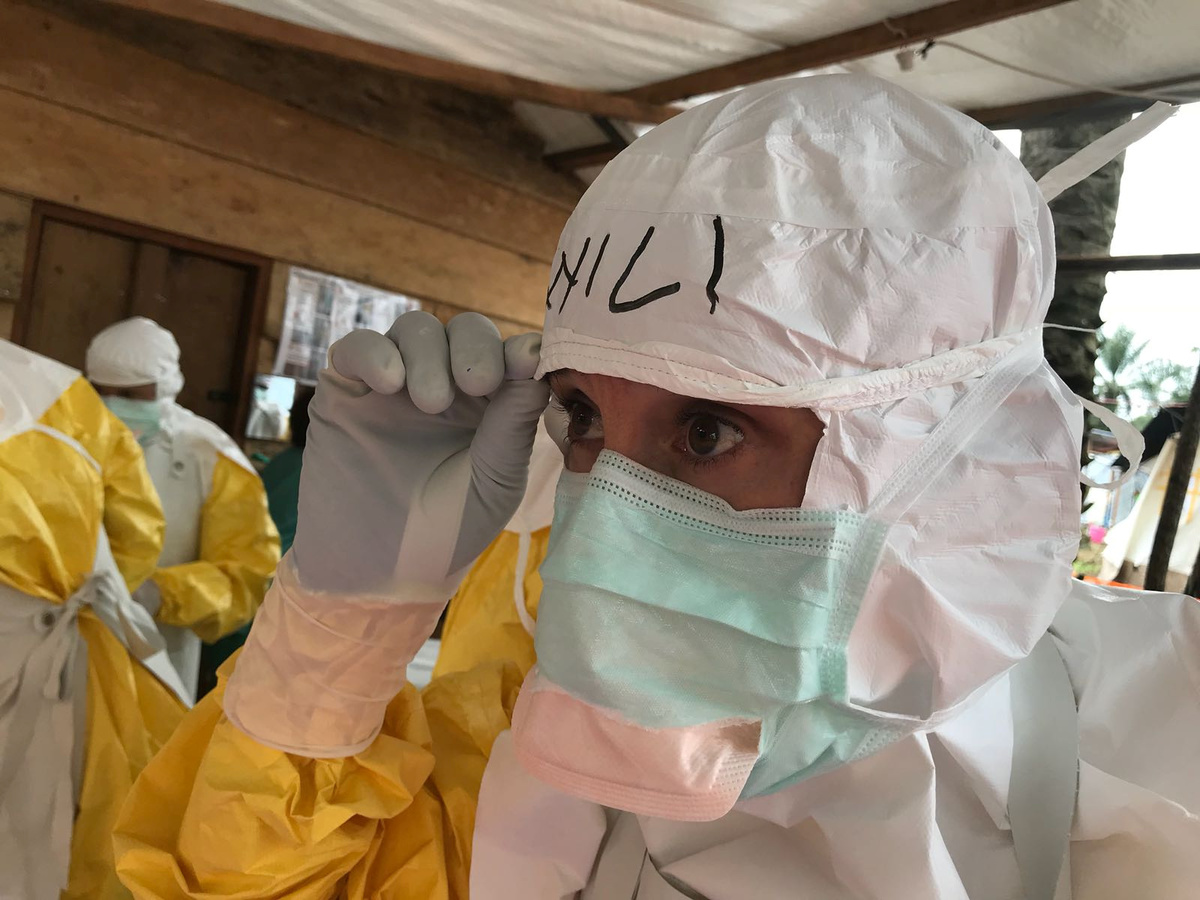
However, it does not yet constitute a public health emergency of international concern (PHEIC), the emergency committee said.
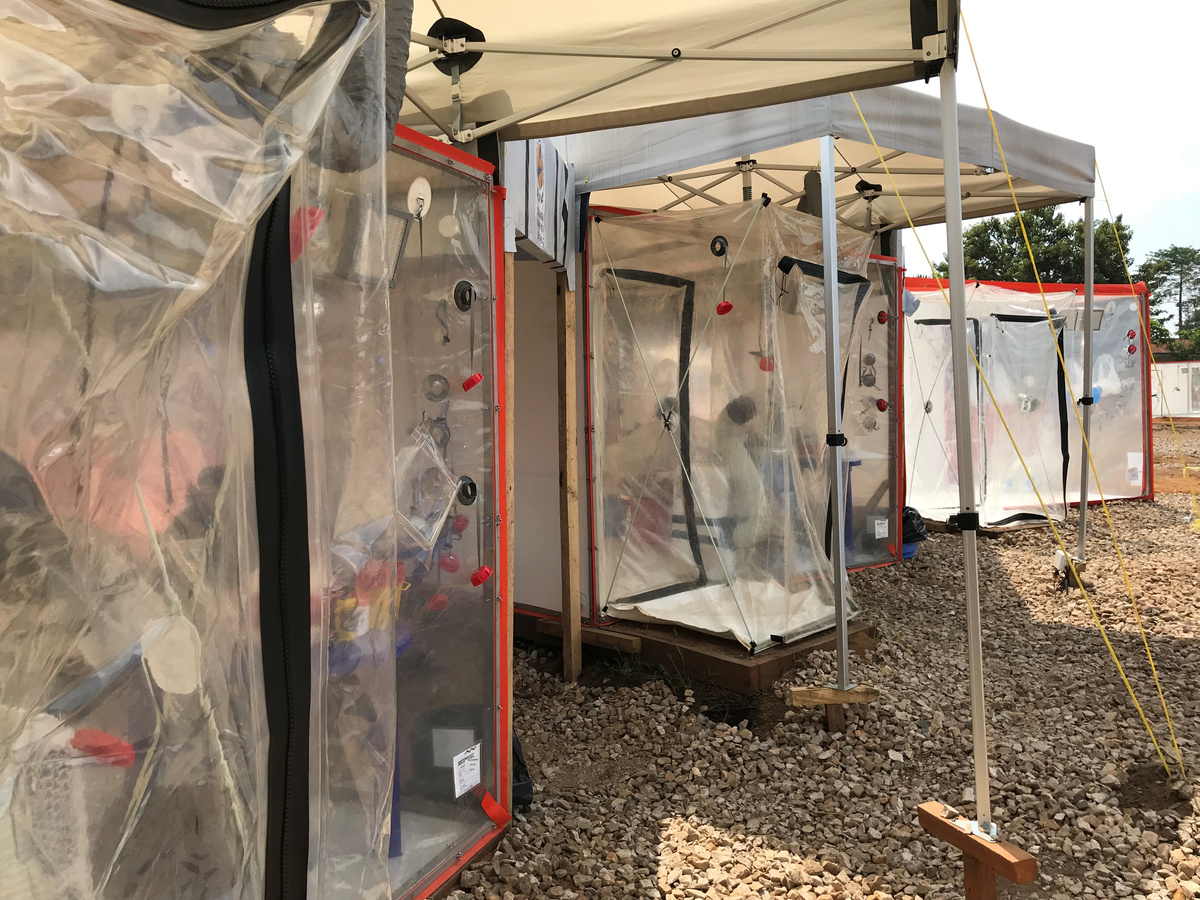
"The government of the Democratic Republic of Congo, WHO, and partners must intensify the current response. Without this, the situation is likely to deteriorate significantly," the committee said in a statement.
There have been 139 deaths and 215 probable and confirmed cases in the outbreak, which was declared on Aug. 1. The WHO has said it could spread at any time to neighboring Uganda or Rwanda, although both countries were well prepared.
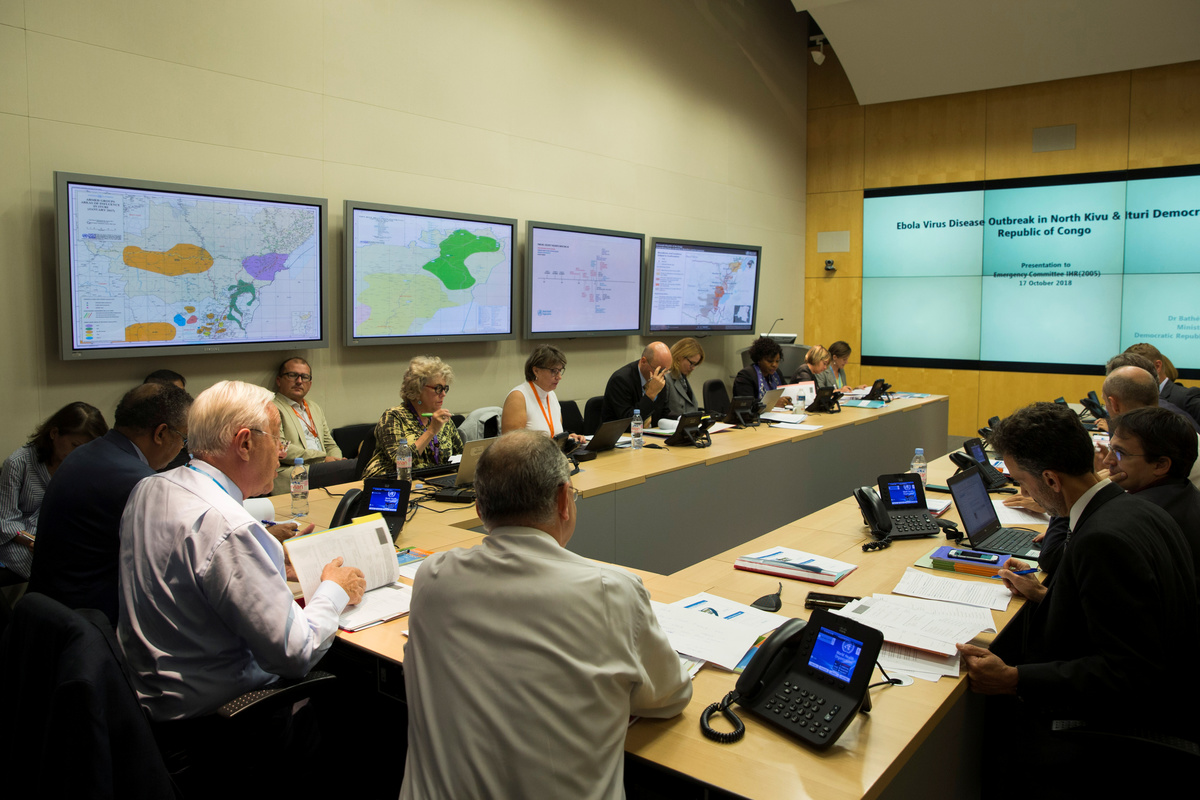
"We do have some optimism that this outbreak will be brought under control in a reasonable time," committee chairman Robert Steffen told a news conference at WHO headquarters in Geneva.
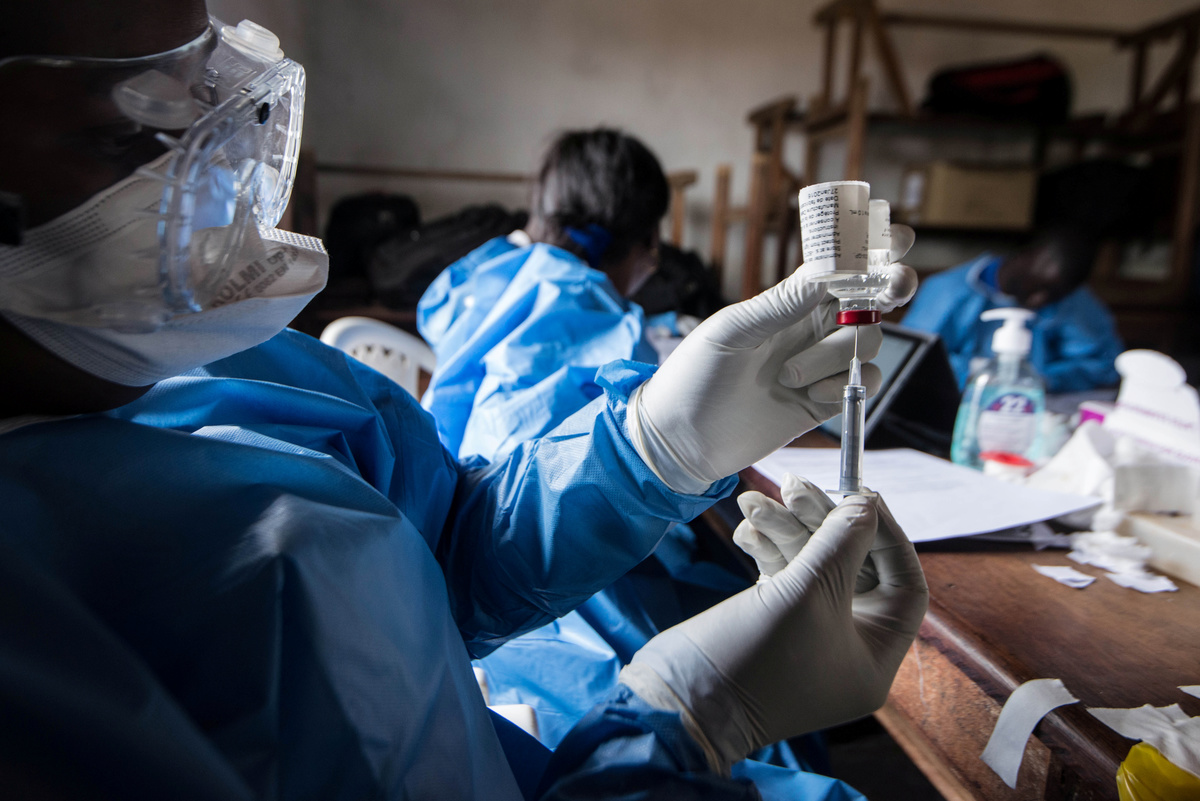
Declaring a PHEIC, the first since the Latin American Zika virus outbreak in February 2016, would have ramped up the pace of the response, said Jeremy Farrar, head of Britain's Wellcome Trust.
"Declaring this could have released more resources, including finance, healthcare workers, enhanced security and infrastructure - as well as more international political support," he said in a statement.
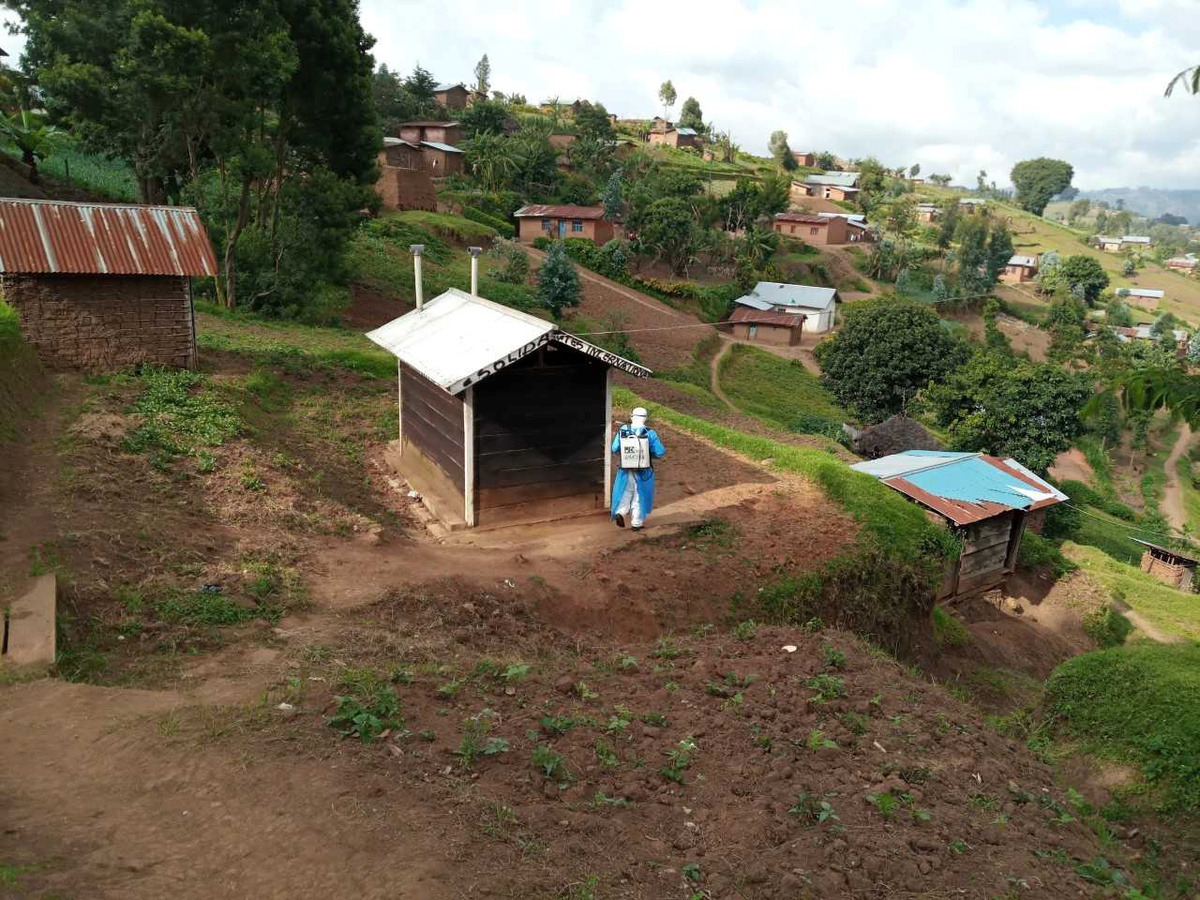
"Whether it is defined as a PHEIC or not, this epidemic is at a crucial phase and in an incredibly difficult environment."
But Steffen said there were also disadvantages, such as travel and transport restrictions that could hinder the fight against Ebola. The committee said it was particularly important that no such restrictions were imposed.
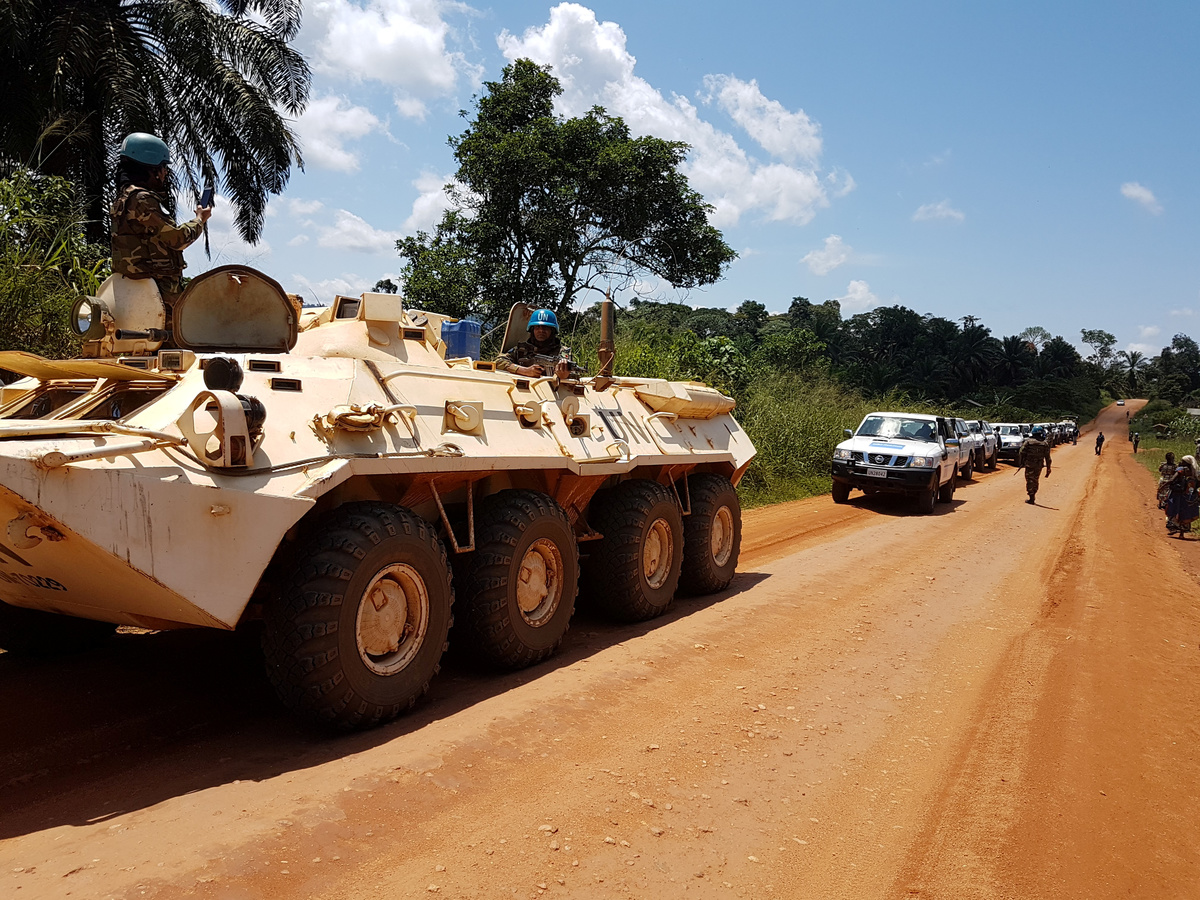
Jamie LeSueur, head of the Congo Ebola response operation at the International Federation of the Red Cross, said insecurity was preventing healthworkers from getting to afflicted communities, causing an surge of cases.
"We are concerned that this will contribute to an accelerated spread of the disease, which poses increased risk to neighboring provinces in DR Congo and neighboring countries.”
Steffen said the committee had based its conclusions on three criteria - whether the outbreak was extraordinary, whether there was a risk of international spread, and whether there was a requirement for an international response.
The outbreak was very concerning for the region but not globally, he said, adding that no cases had yet been exported, and the international response was already underway.
"In one of the provinces the outbreak is pretty much mitigated, in another province it is just flaring up, but the concentration of the response teams is now focusing on this new area," he said.