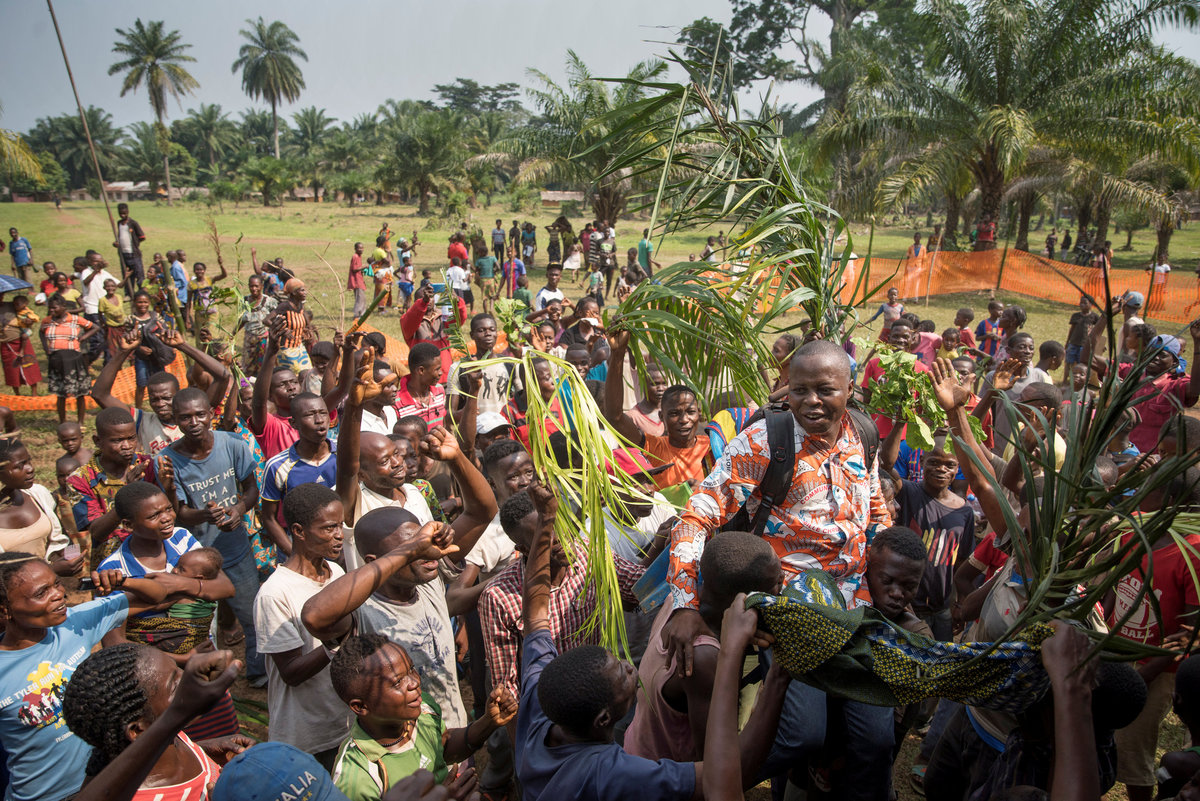
DAKAR (Reuters) - Democratic Republic of Congo on Tuesday declared an end to an Ebola outbreak believed to have killed 33 people after what experts hailed as a swift response to the flare-up in one of the world's most difficult environments.
Tuesday marked 42 days since the last detected case of the virus, the length of two incubation periods considered long enough to declare an outbreak over.
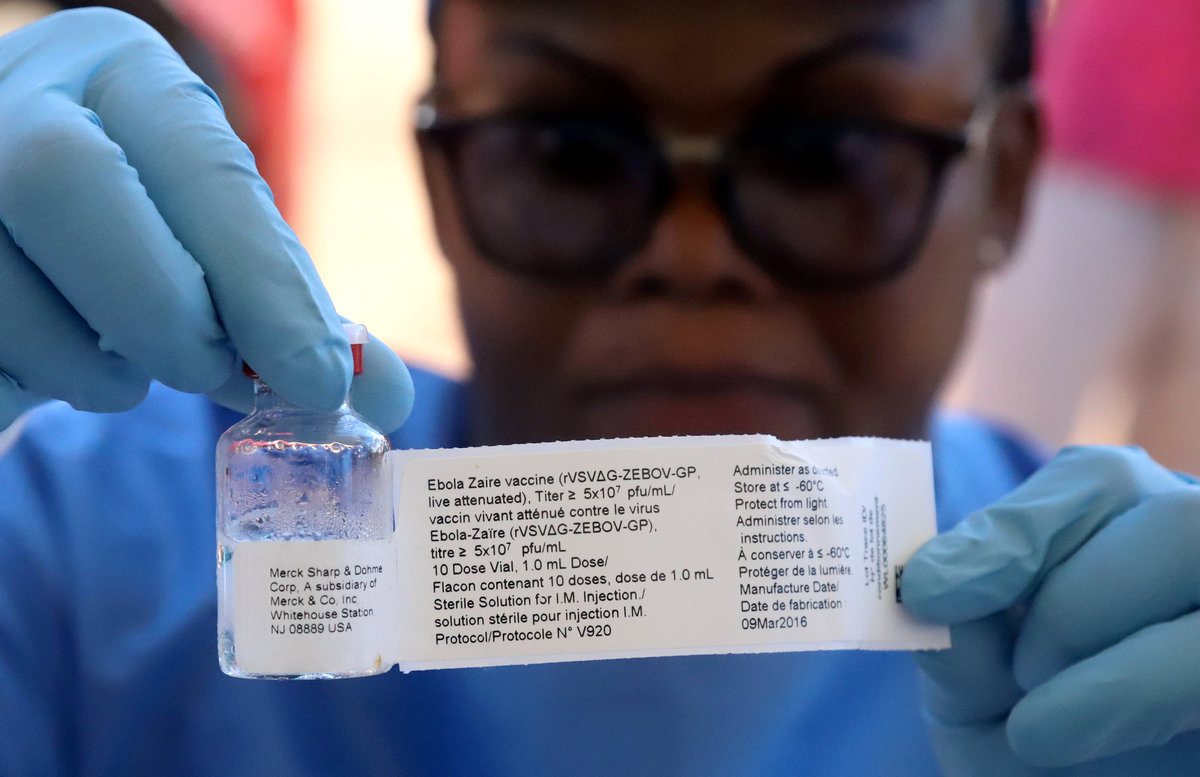
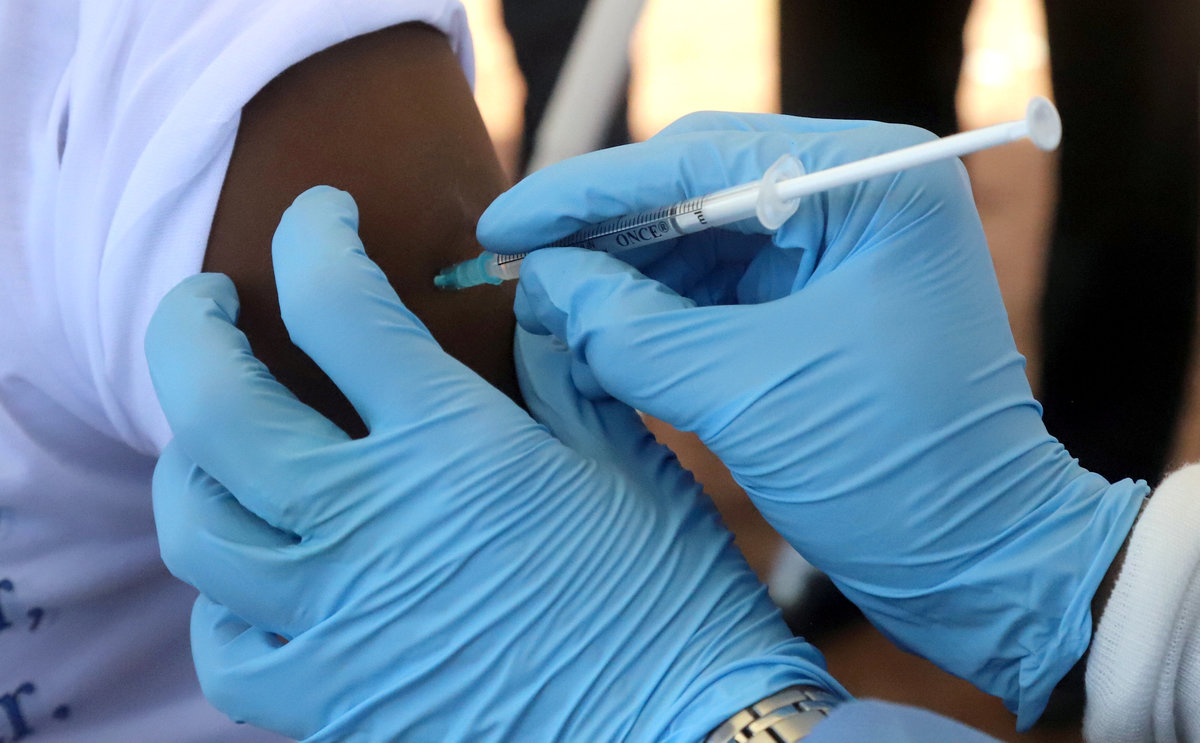
The flare-up, first detected in the rural village of Ikoko Impenge in northwest Congo in April, was dealt with rapidly by the World Health Organization and Congolese authorities, including the deployment of an experimental vaccine given to over 3,300 people.
That helped contain the impact of the virus even when it reached the city of Mbandaka, a crowded trading hub of 1.5 million people on the Congo River with direct boat and plane links to the sprawling capital Kinshasa.
"I declare from this day...the end of the Ebola...epidemic in Equateur Province, Democratic Republic of Congo," Health Minister Oly Ilunga Kalenga said in a statement.
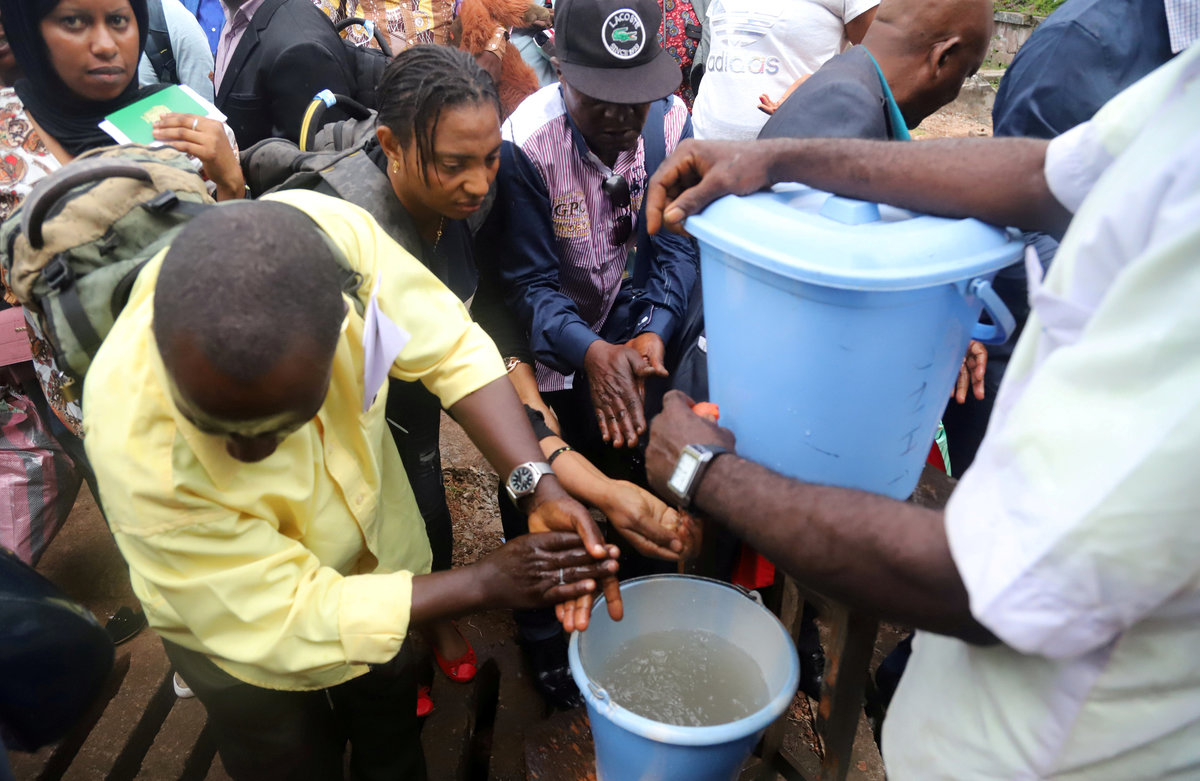
Ebola, believed to be spread over long distances by bats, causes hemorrhagic fever, vomiting and diarrhea and is spread through direct contact with body fluids. It often spreads to humans via infected bush meat.
Its arrival in Mbandaka in May turned the outbreak into an international concern as airports in West Africa set up Ebola screenings and the region shuddered at the memory of the epidemic that killed at least 11,300 people in Guinea, Sierra Leone and Liberia between 2013 and 2016.
But despite the deaths, the containment of this latest outbreak, Congo's ninth since the virus was detected near the Ebola river in the 1970s, was considered a success, given the difficulties faced in one of the world's most challenging environments.
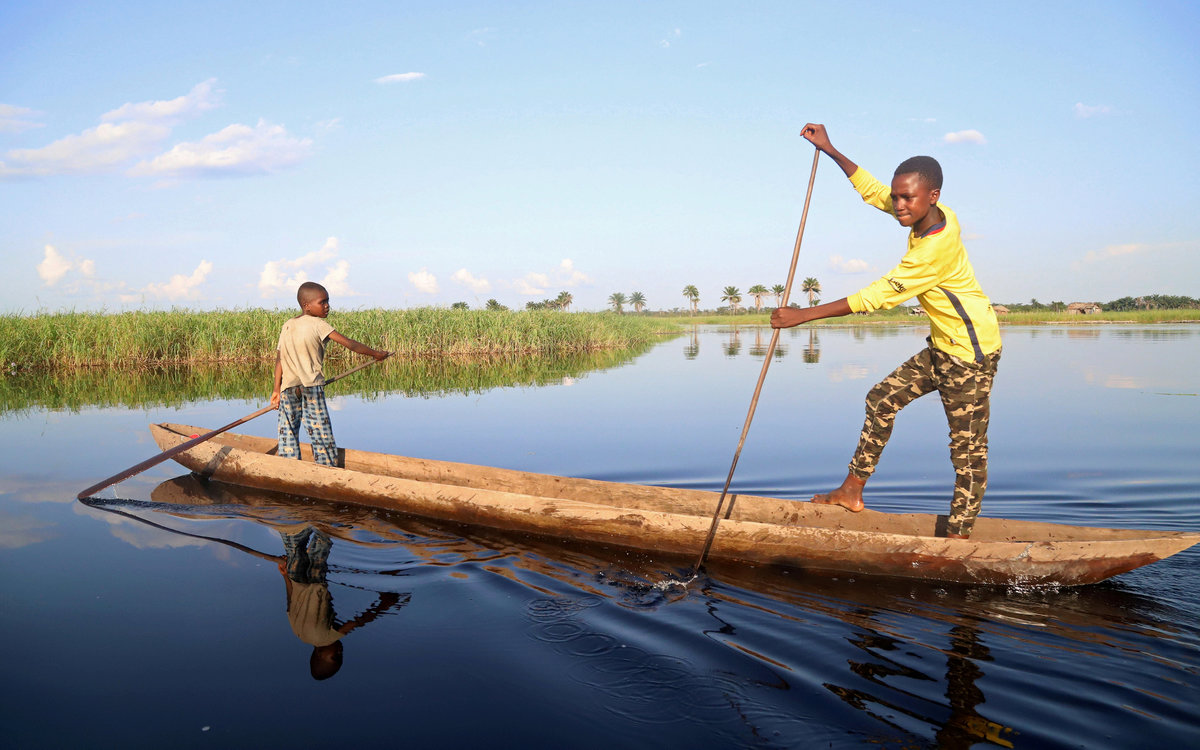
The vaccine had to be kept -60 to -80 degrees Celsius in remote parts of a humid country with unreliable power supplies. Informed, signed consent was required from every person who wanted the shot, raising language and cultural barriers.
"WHO moved quickly and efficiently," said the WHO's Regional Director for Africa, Matshidiso Moeti. "Dozens of experts from Guinea spent weeks leading Ebola vaccination efforts here, transferring expertise which will enable the DRC to mount an effective response both within its borders and beyond."
It marks a sharp turnaround from the criticism the WHO received in being too slow to react to the 2013-2016 outbreak and suggests that if dealt with quickly, and with a useable vaccine, Ebola's threat can be diminished.
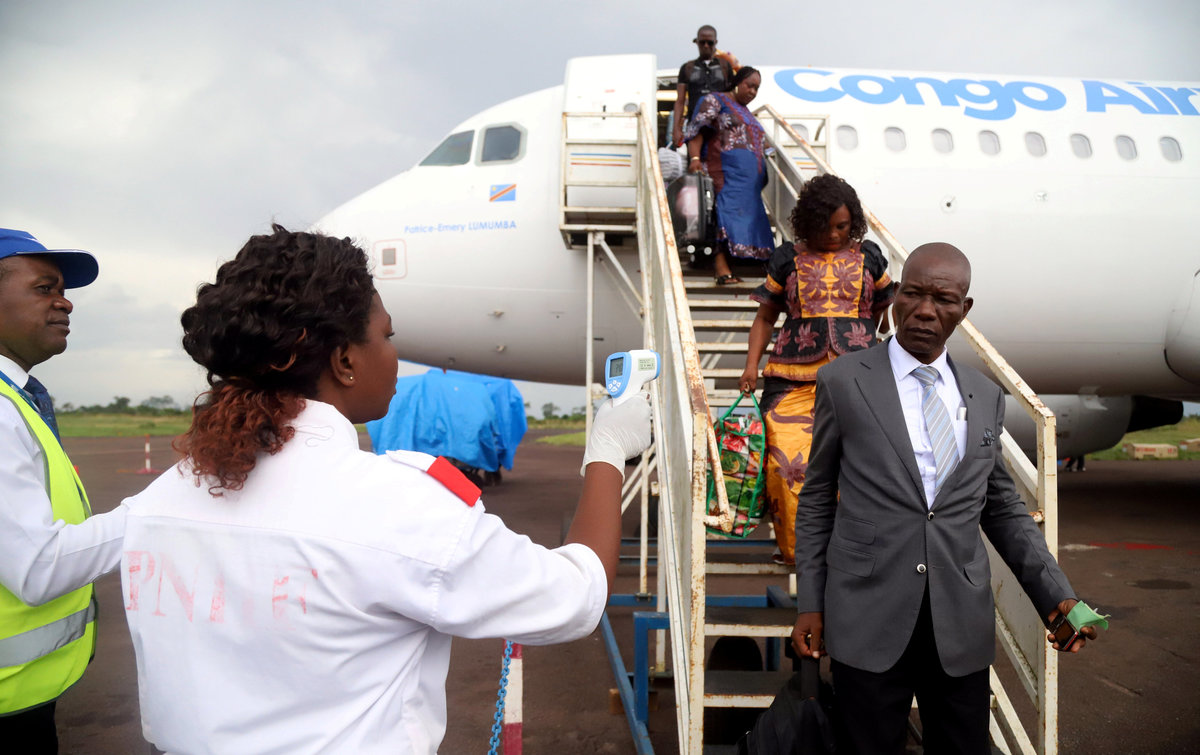
Jeremy Farrar, a specialist in infectious diseases and director of the Wellcome Trust global health charity, said the outbreak was brought to an end earlier than some expected because of the rapid response.
"We are not passive observers," he said. "This outbreak is coming to an end because of the actions that people have taken."
(Additional reporting by Kate Kelland in London and Stephanie Nebehay in Geneva,; Editing by John Stonestreet, William Maclean)