Congo announces end of Ebola outbreak in east, second deadliest on record
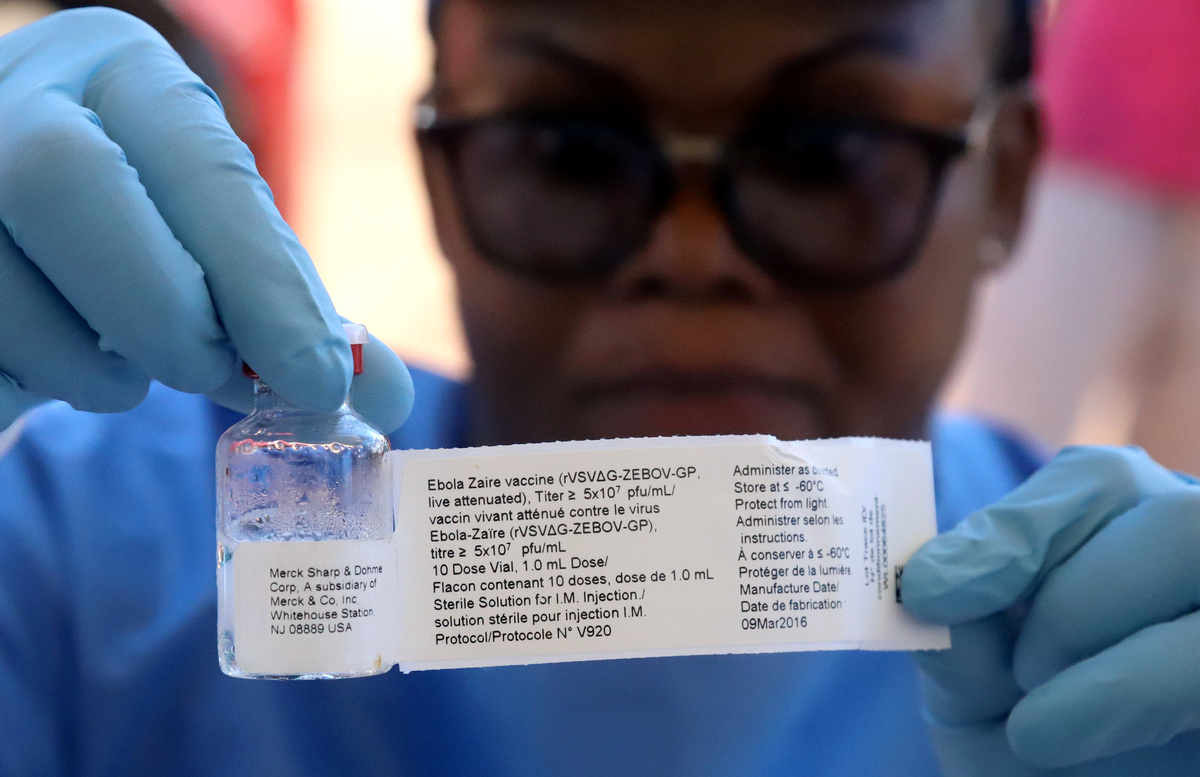
FILE PHOTO: A World Health Organization (WHO) worker prepares to administer a vaccination during the launch of a campaign aimed at beating an outbreak of Ebola in the port city of Mbandaka, Democratic Republic of Congo May 21, 2018. REUTERS/Kenny Katombe/File Photo
The second-largest Ebola outbreak on record is over after nearly two years and more than 2,200 deaths, Democratic Republic of Congo said on Thursday, even as a separate flare-up of the virus continued on the other side of the country.
Despite effective vaccines and treatments that dramatically boosted survival rates, the outbreak dragged on as first responders struggled to gain access to virus hotspots in Congo's restive east.
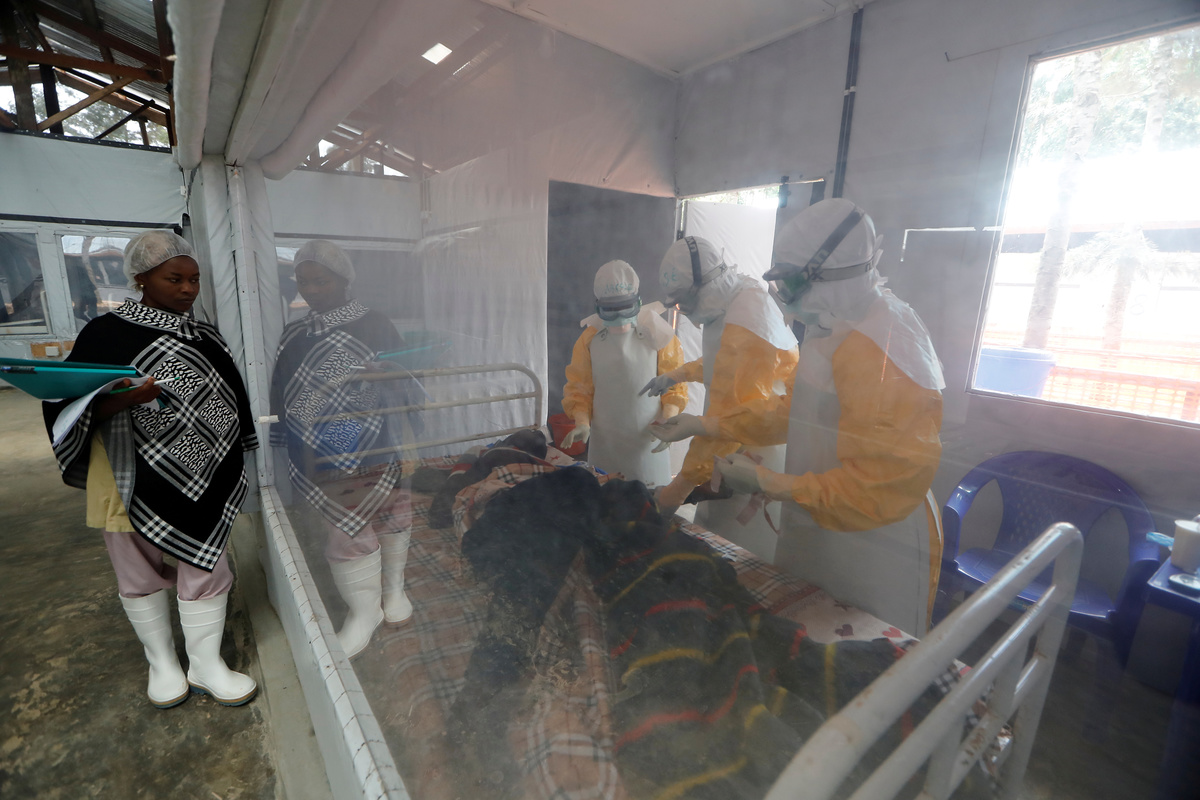
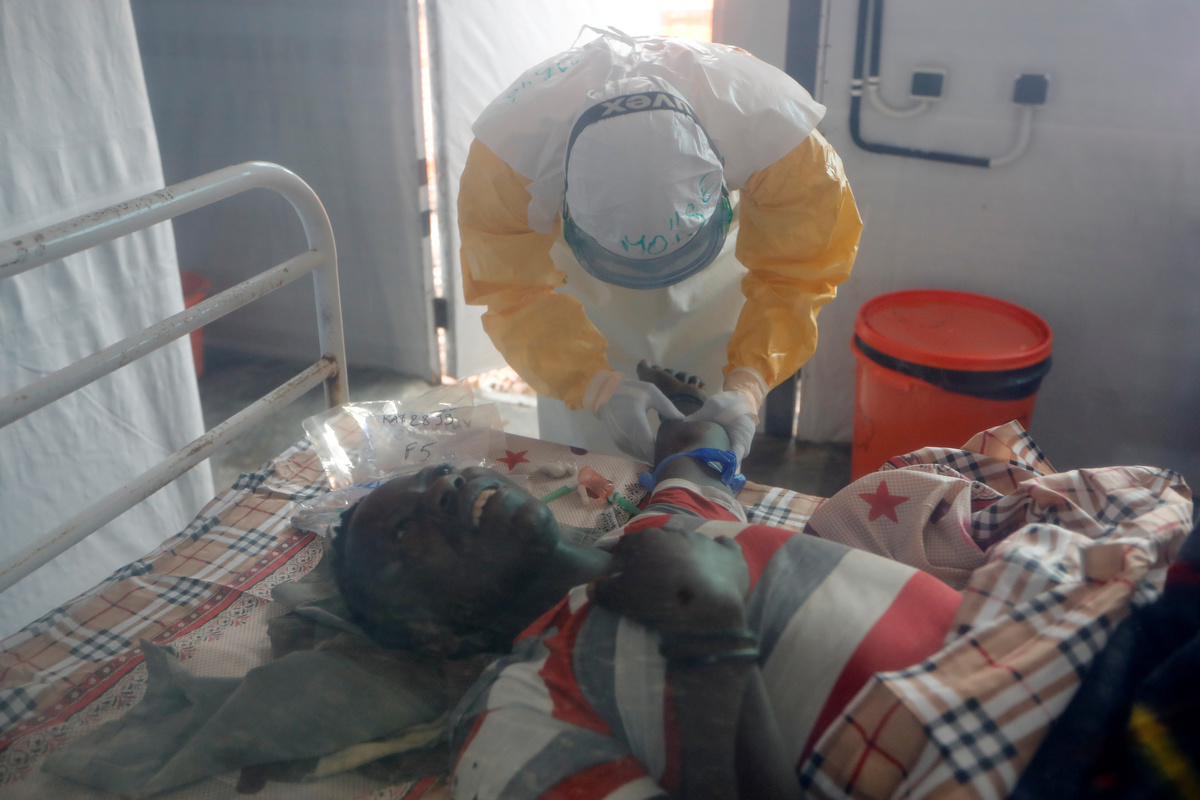
FILE PHOTO: Moise Vaghemi, 33, (C) an Ebola survivor who works as a nurse, cares for a patient who is suspected to be suffering from Ebola, inside the Biosecure Emergency Care Unit (CUBE) at the Ebola treatment centre in Katwa, near Butembo, in the Democratic Republic of Congo, October 3, 2019. REUTERS/Zohra Bensemra/File Photo
"Compared to previous outbreaks, this last one was the longest, the most complex and the deadliest," Health Minister Eteni Longondo told reporters.
Congo has suffered 11 Ebola outbreaks since the virus was discovered near the Ebola River in 1976, more than double any other country.
Its equatorial forests are a natural reservoir for the virus, which causes severe vomiting and diarrhoea and is spread through contact with body fluids.
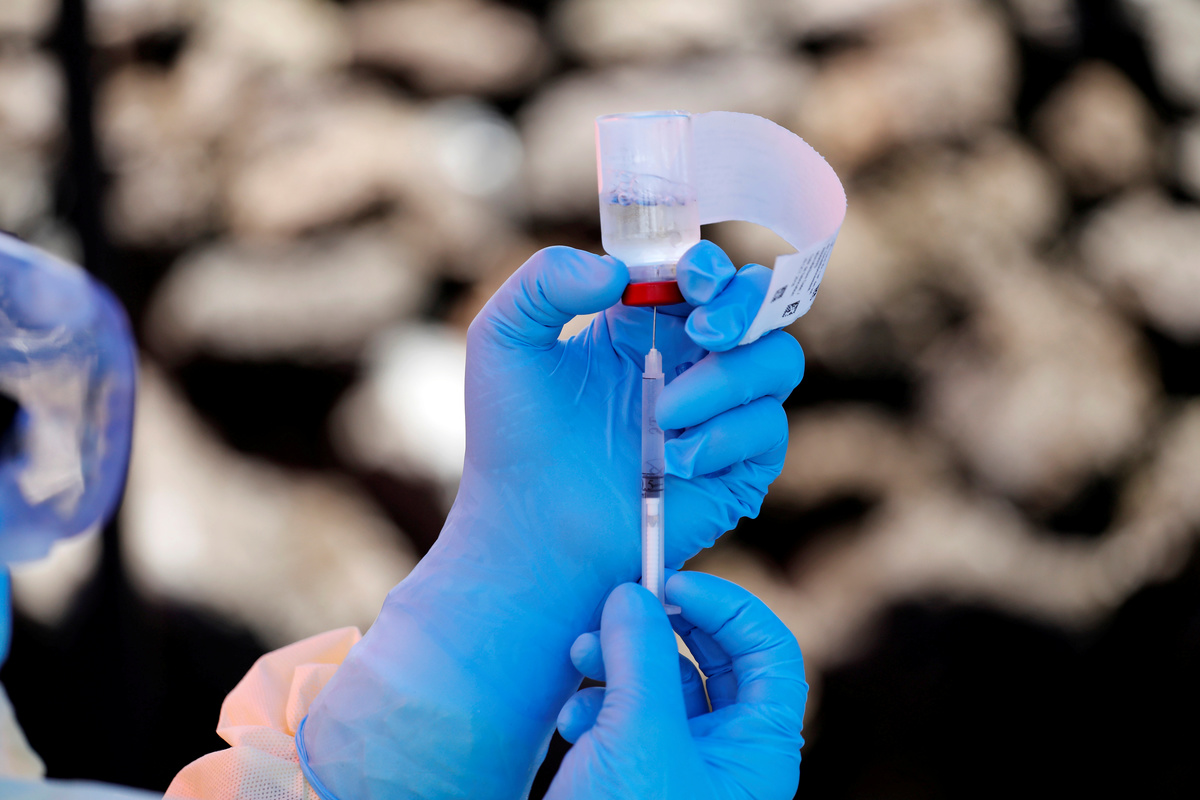
FILE PHOTO: A health worker fills a syringe with Ebola vaccine before injecting it to a patient, in Goma, Democratic Republic of Congo, August 5, 2019. REUTERS/Baz Ratner/File Photo
This outbreak saw 3,463 confirmed and probable cases and 2,277 deaths.
"It wasn’t easy and at times it seemed like mission impossible," said Matshidiso Moeti, the World Health Organization's Africa regional director.
Even as health officials celebrated the end of one Ebola epidemic, they face another, unrelated one more than 1,000 km (620 miles) away in the western city of Mbandaka.
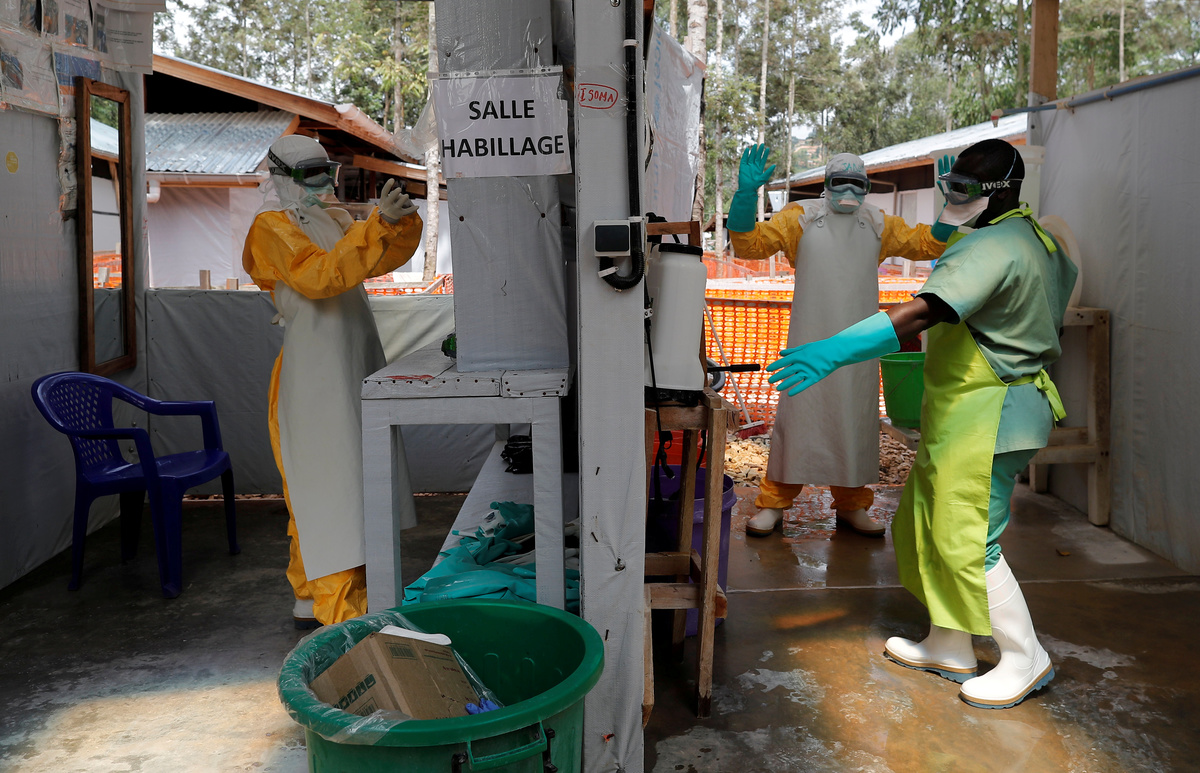
FILE PHOTO: Moise Vaghemi (L), 33, an Ebola survivor who works as a nurse, gets dressed in a protective suit as he prepares to start his shift at an Ebola treatment centre (ETC) in Katwa, near Butembo, in the Democratic Republic of Congo, October 2, 2019. REUTERS/Zohra Bensemra/File Photo
That outbreak, declared on June 1, has seen up to 24 cases so far, including 13 deaths.
Longondo he said he expected the response there to be easier because it is in a more stable part of the country where a previous epidemic in 2018 was quickly controlled.
In eastern Congo, some community leaders and local residents were suspicious of the response because they believed Ebola did not exist or resented being overlooked by donors.
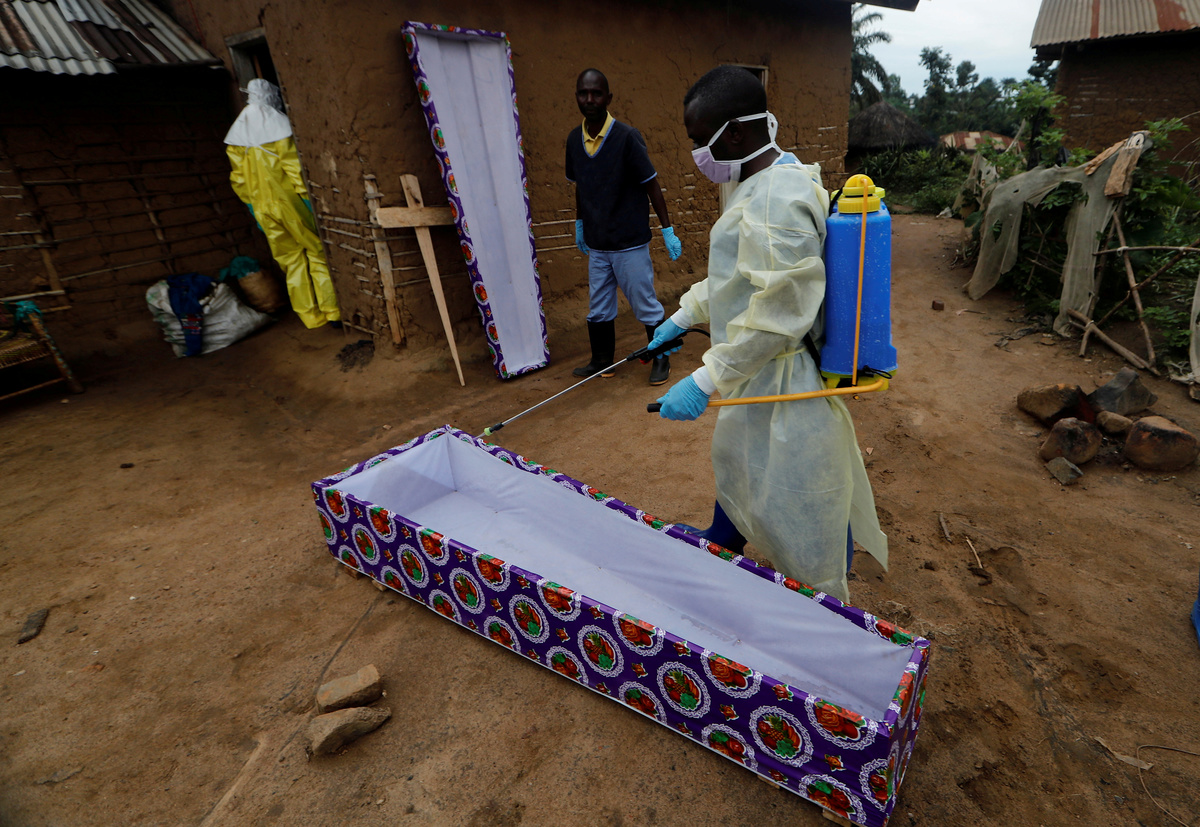
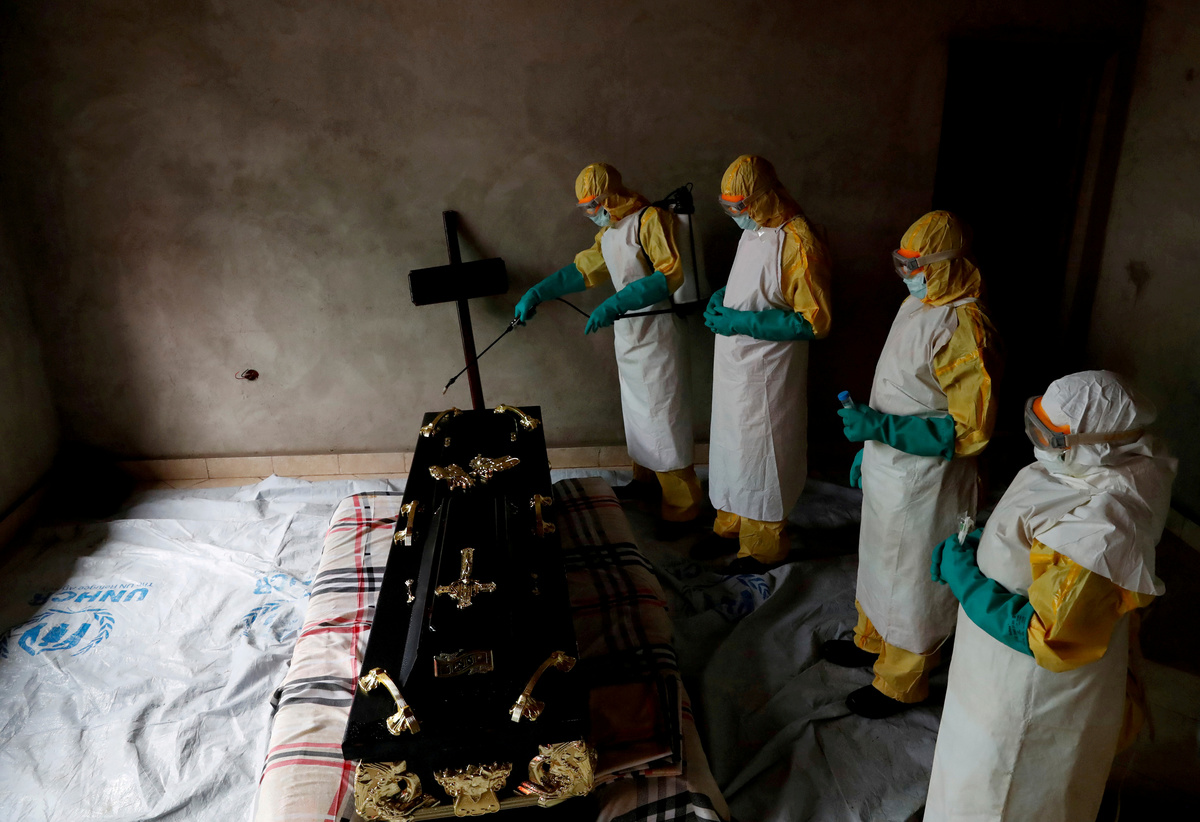
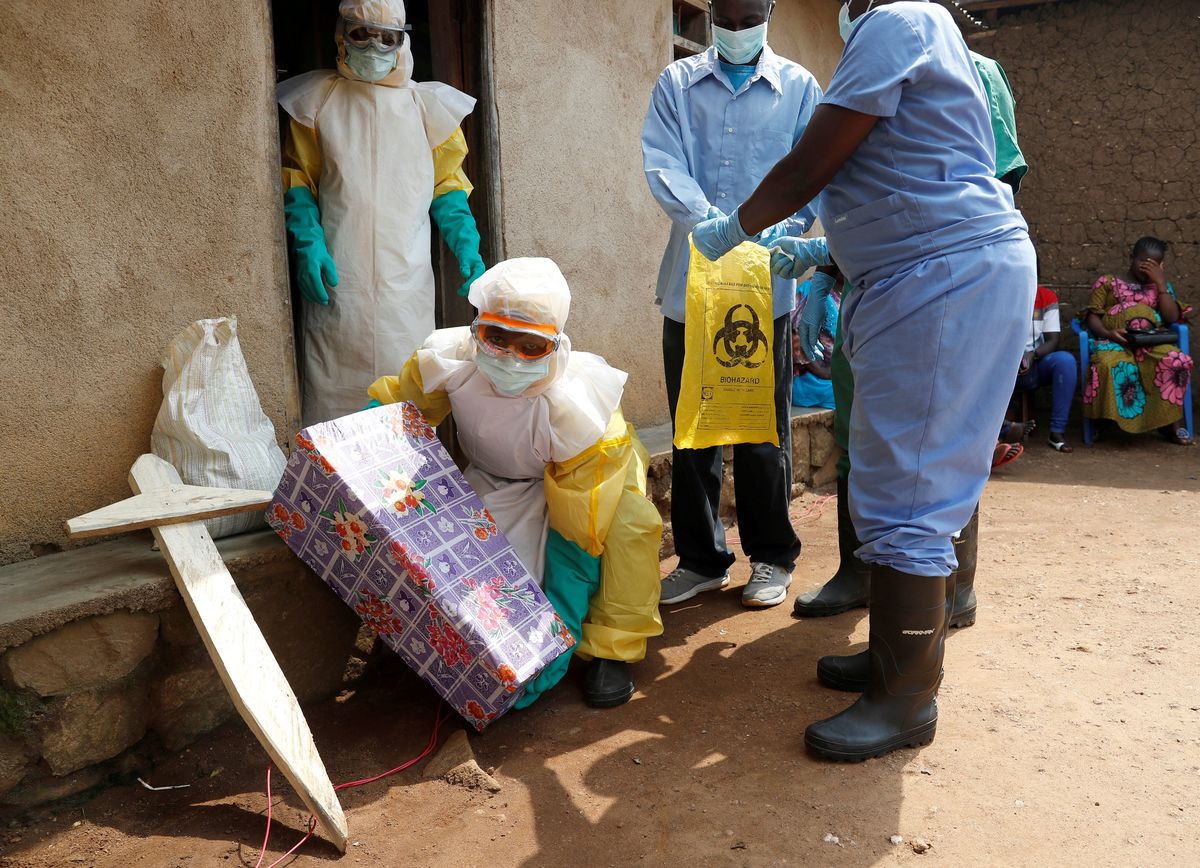
FILE PHOTO: Kavota Mugisha Robert, a healthcare worker who volunteered in the Ebola response, sprays the coffin brought for a woman, 85, who is suspected of dying of Ebola, outside her house in the Eastern Congolese town of Beni in the Democratic Republic of Congo, October 8, 2019. REUTERS/Zohra Bensemra/File Photo
Treatment centres were attacked by militia fighters who are active near Congo's borders with Uganda and Rwanda, and by angry local residents.
The largest Ebola outbreak in history occurred in West Africa from 2013-2016. It killed over 11,300 people mostly in Guinea, Liberia and Sierra Leone.
(Reporting by Stanis Bujakera and Hereward Holland; Editing by Aaron Ross, William Maclean)
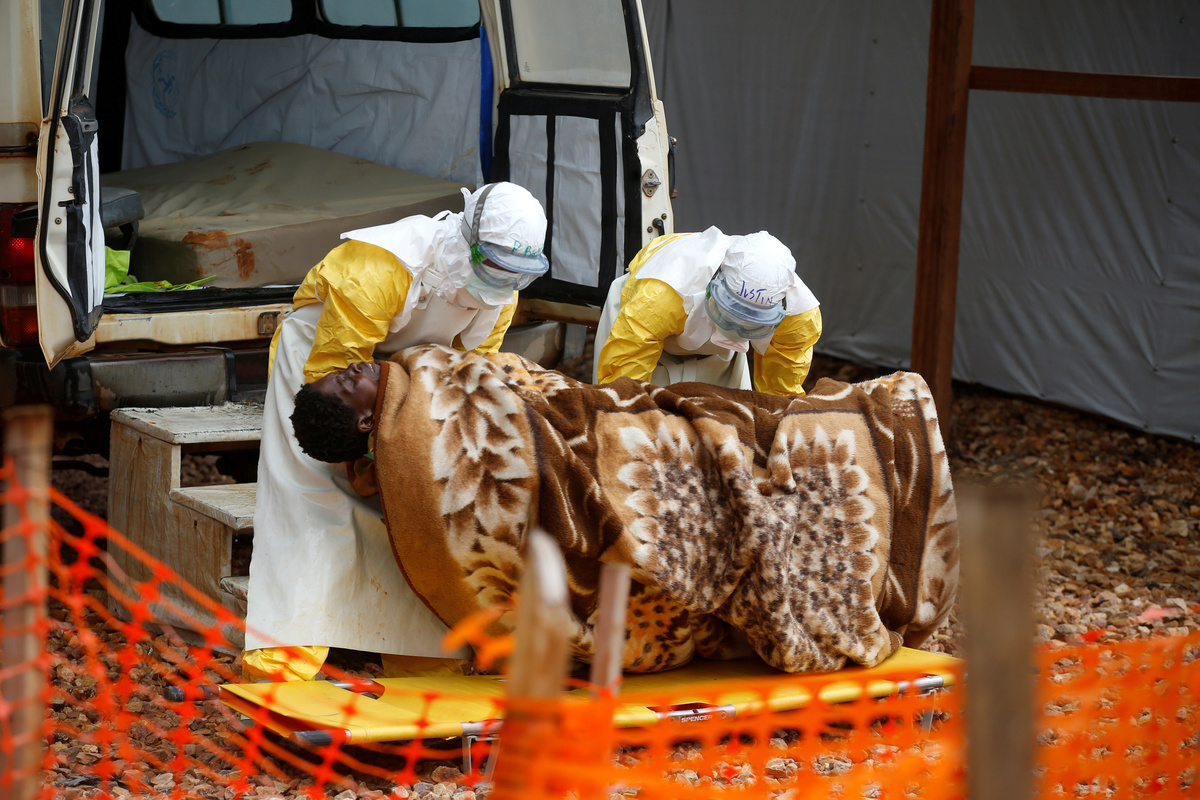
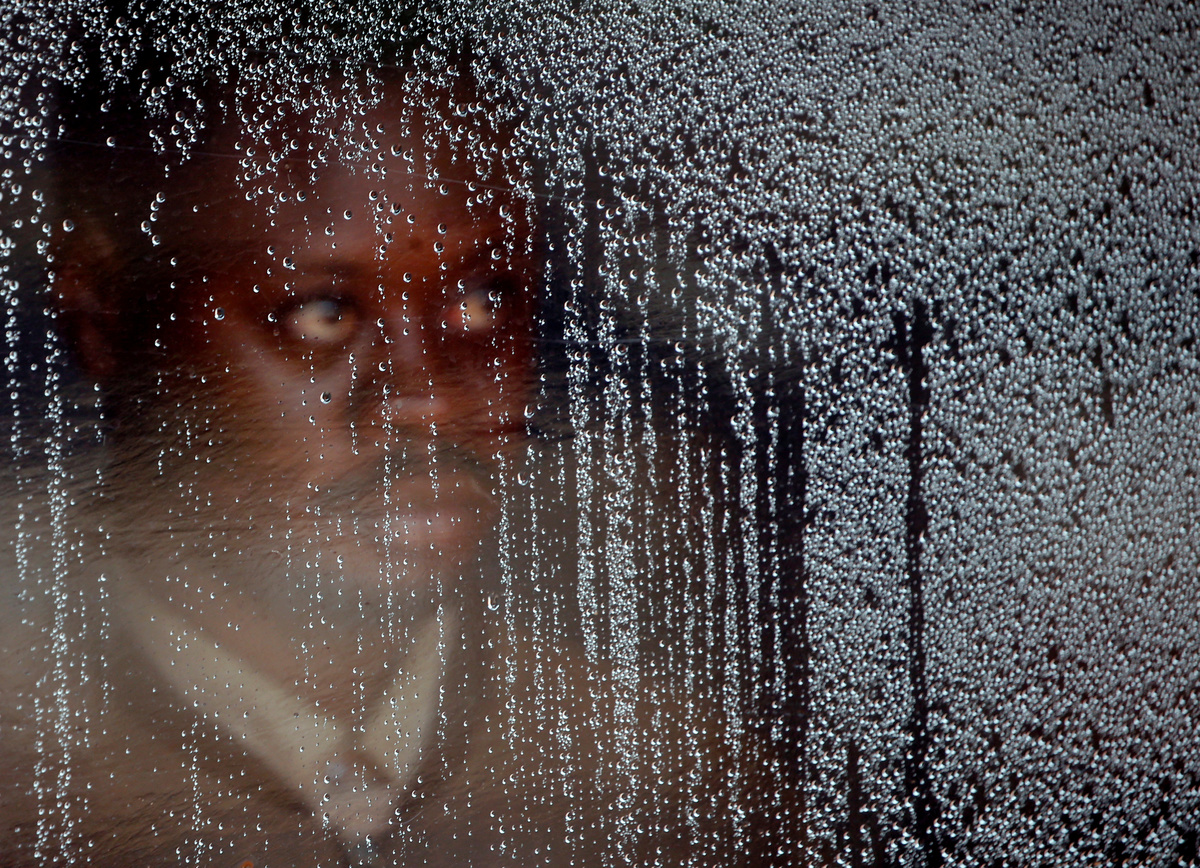
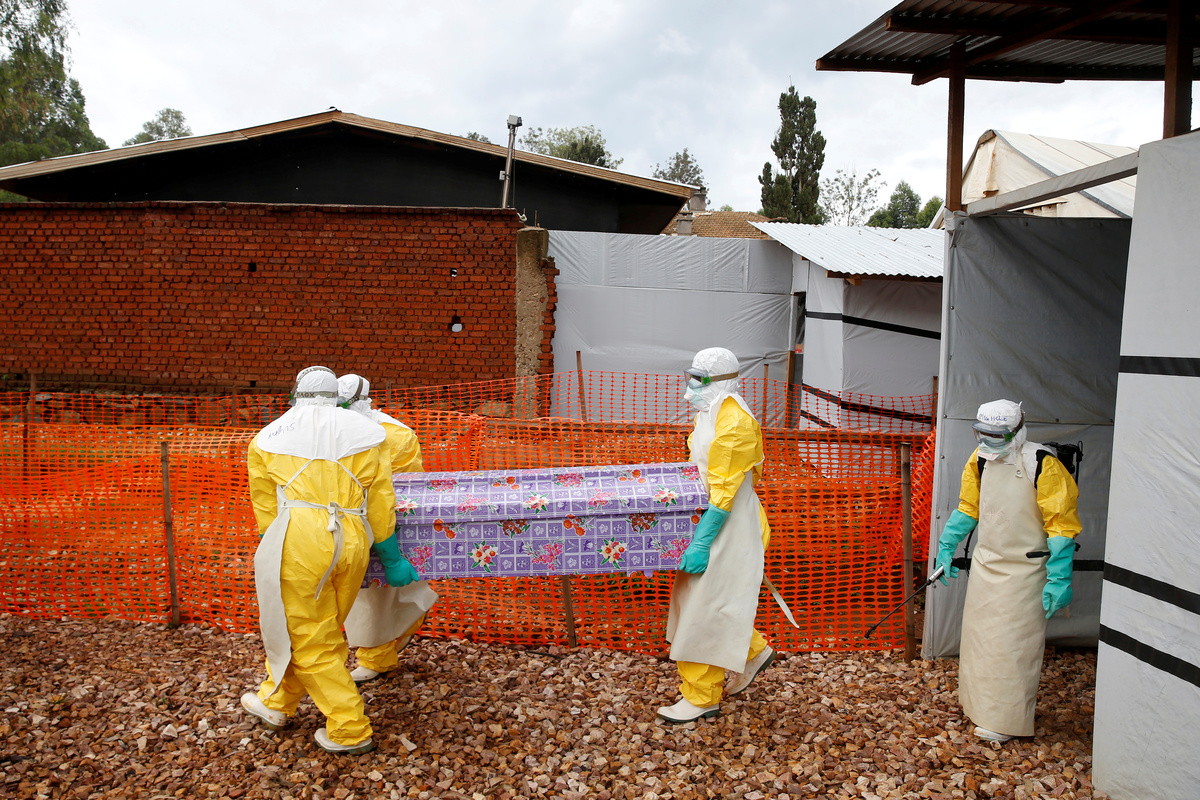
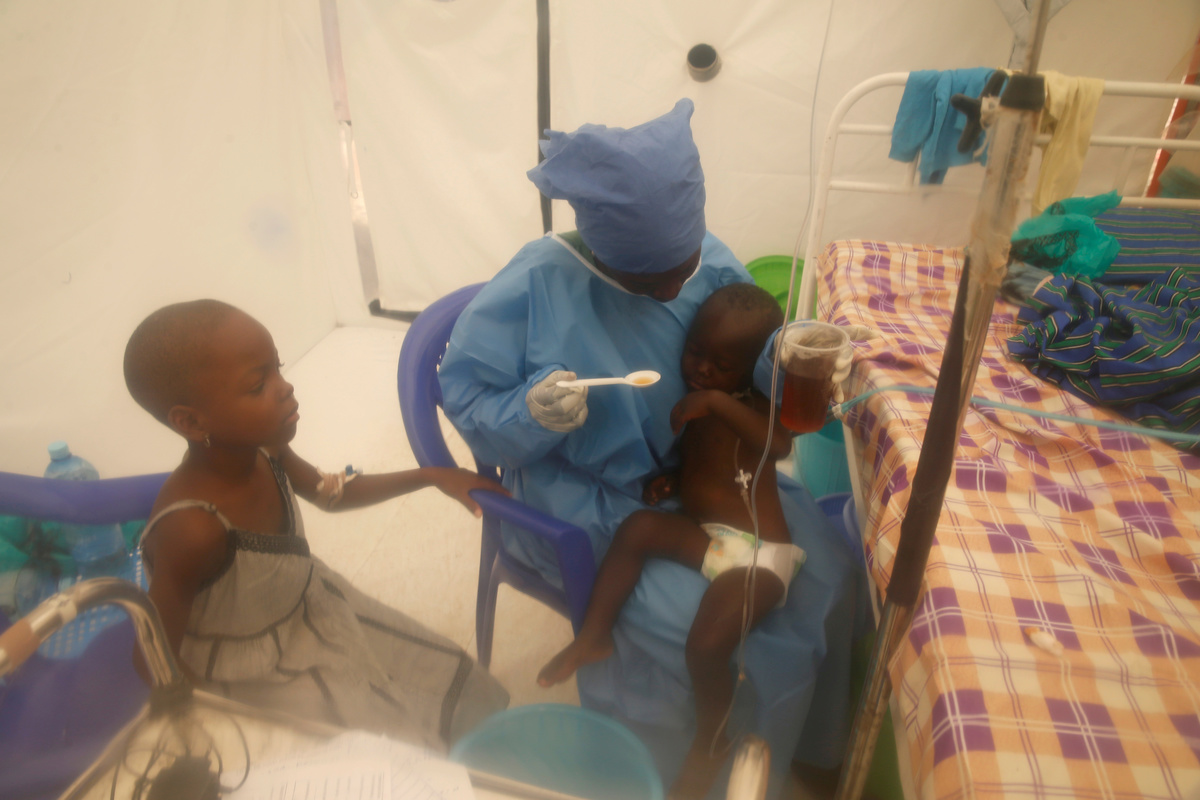
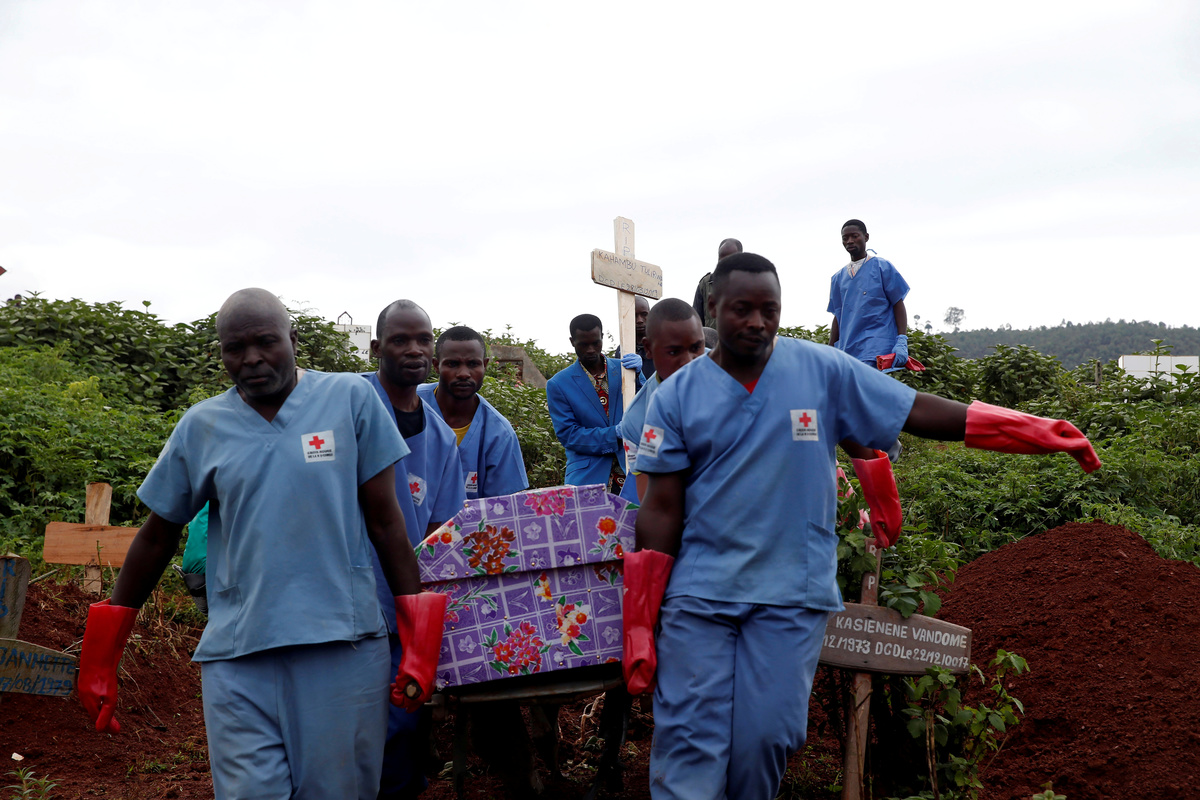
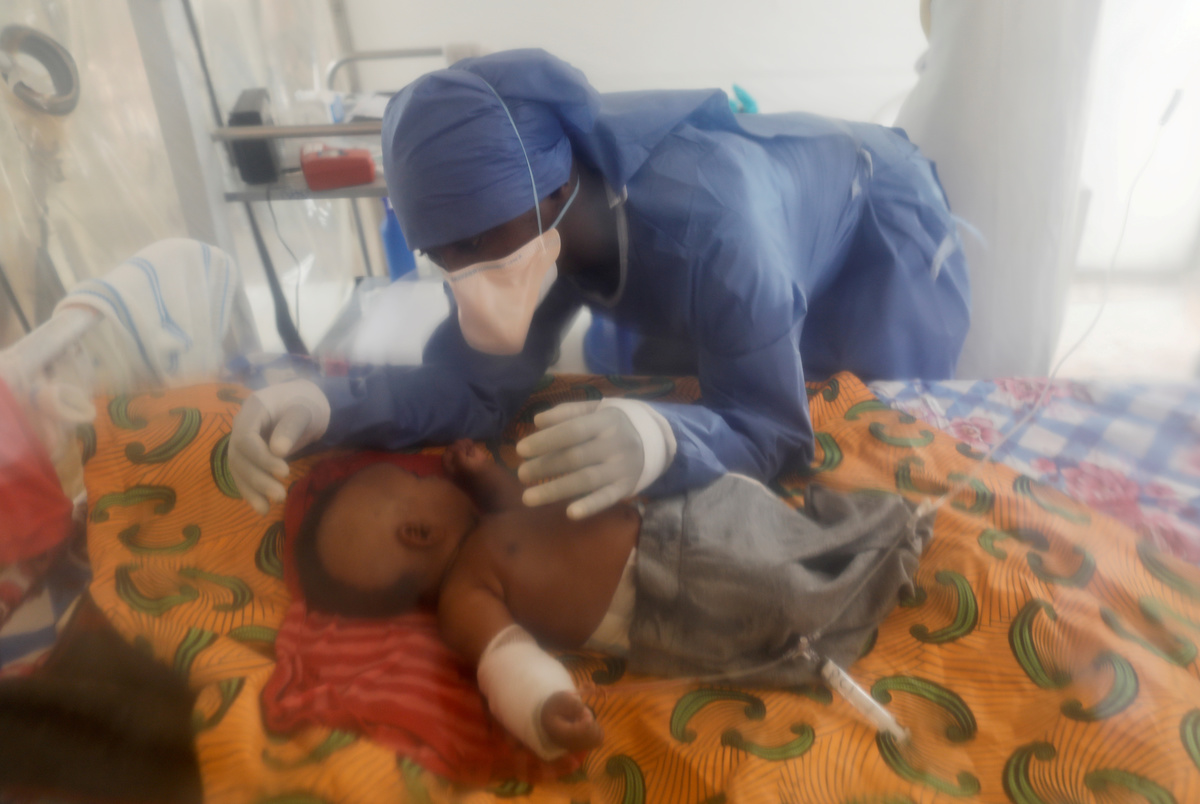
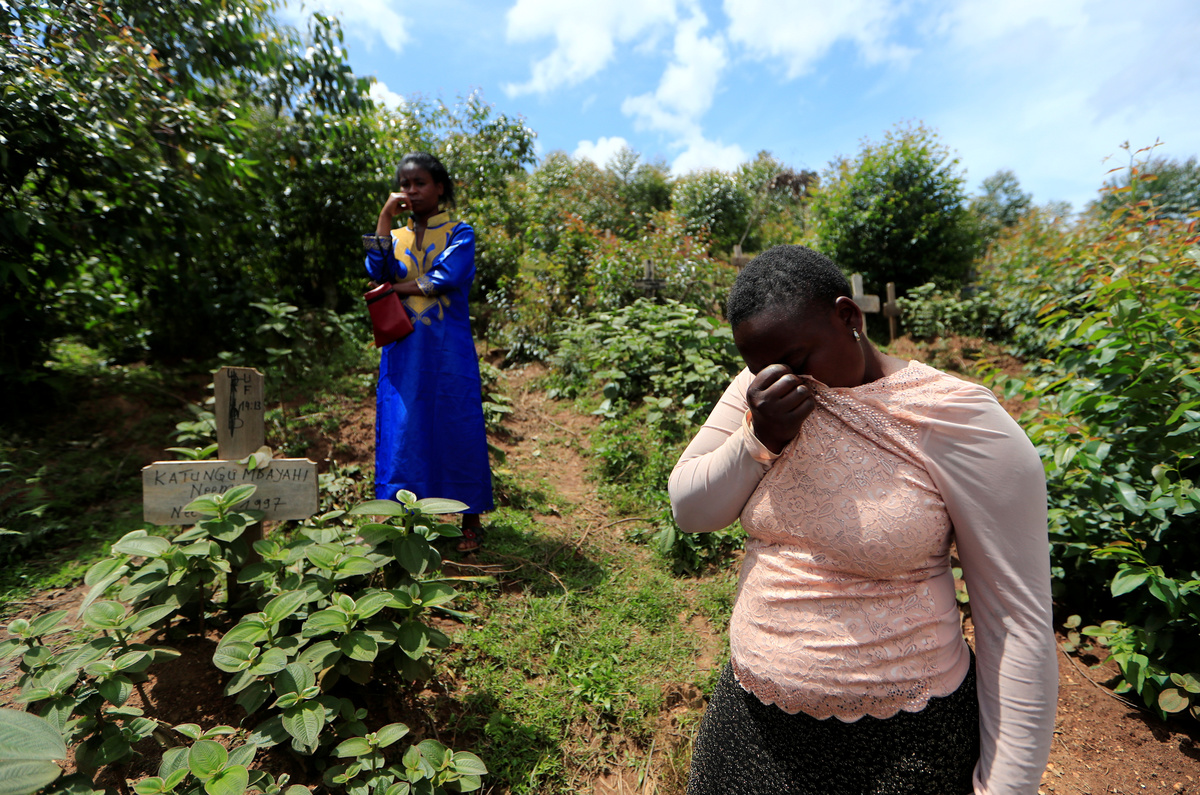
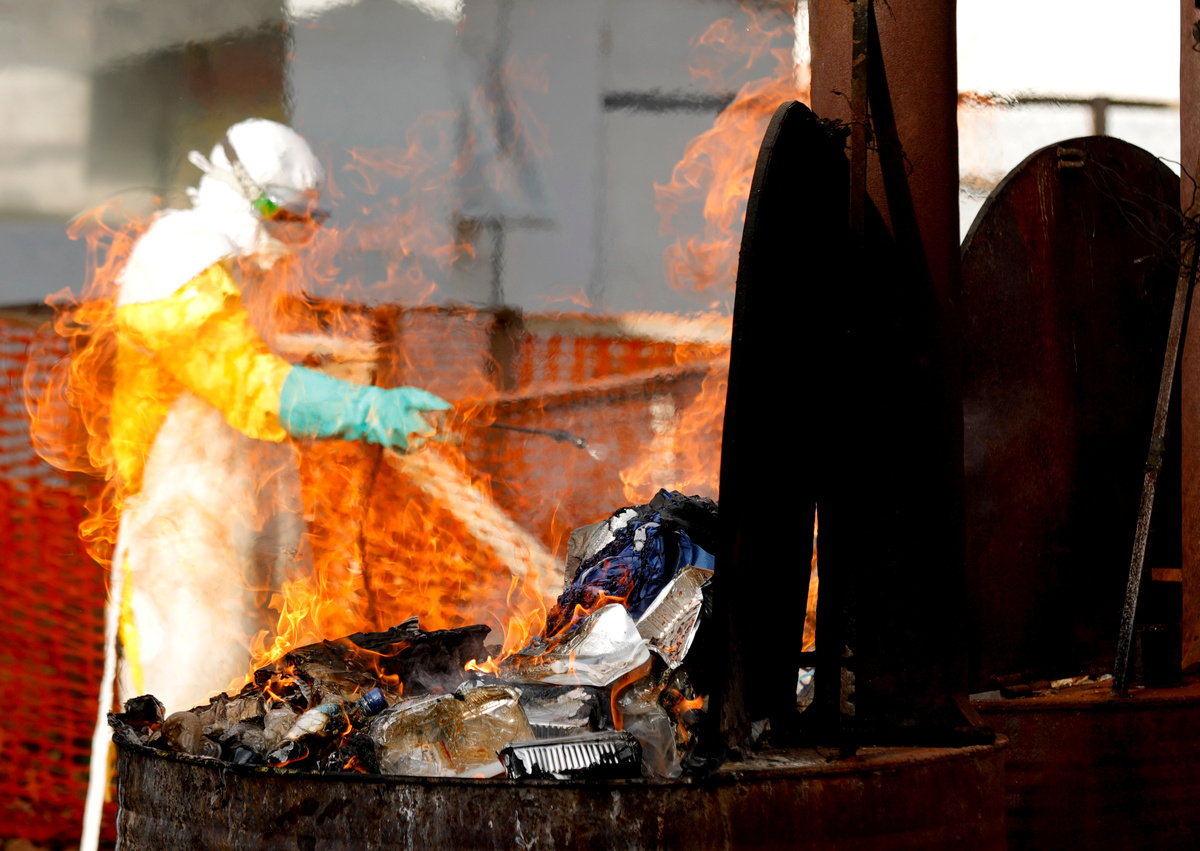
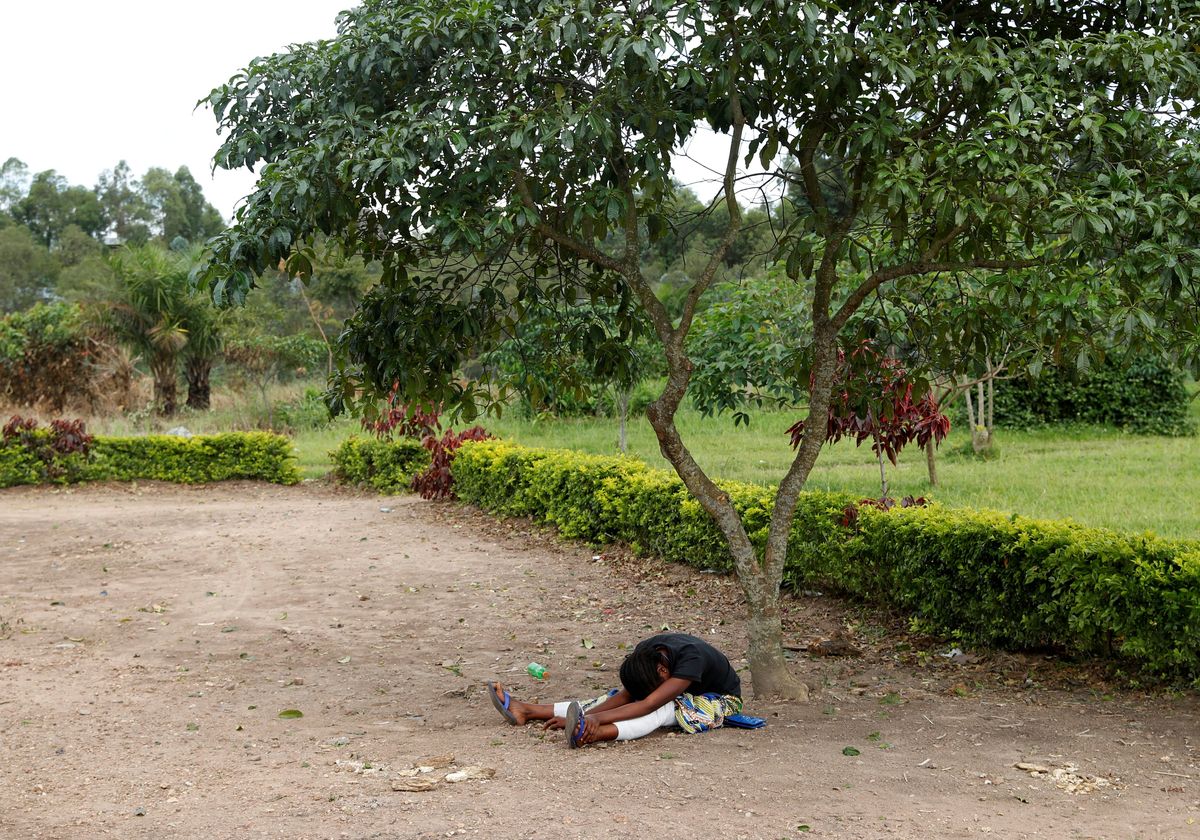
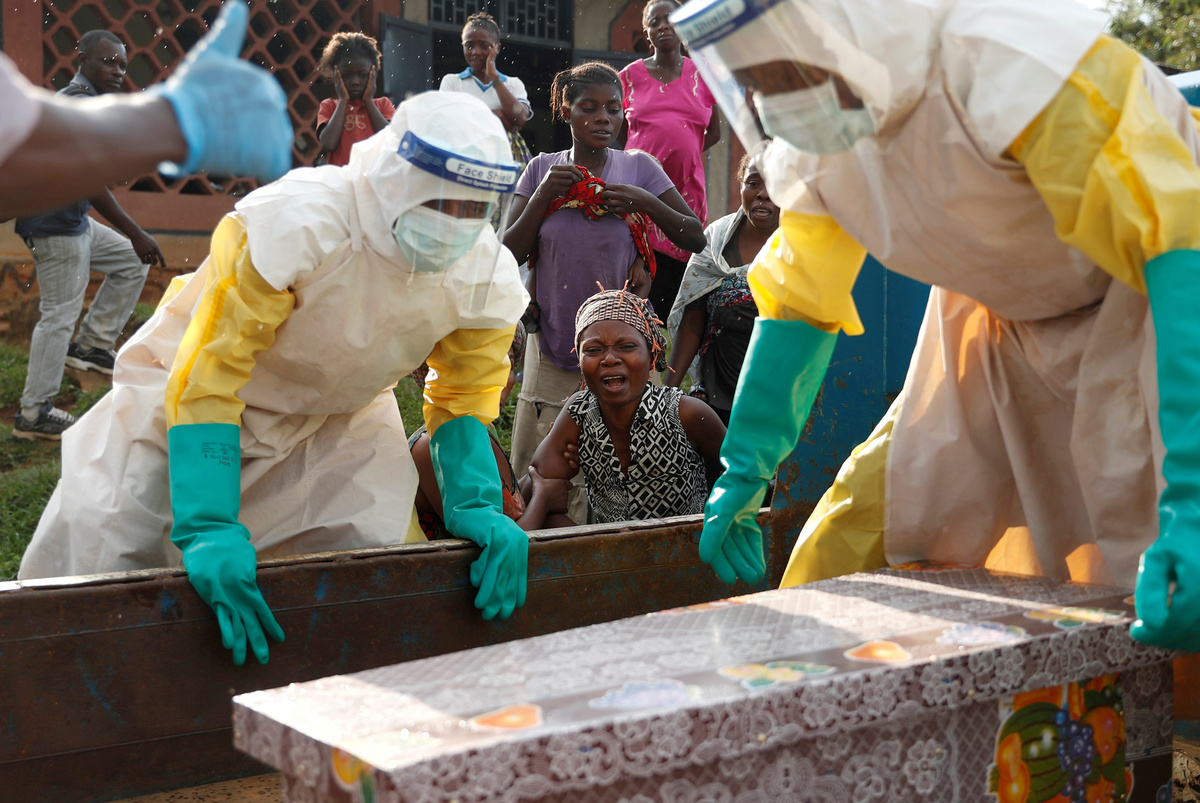
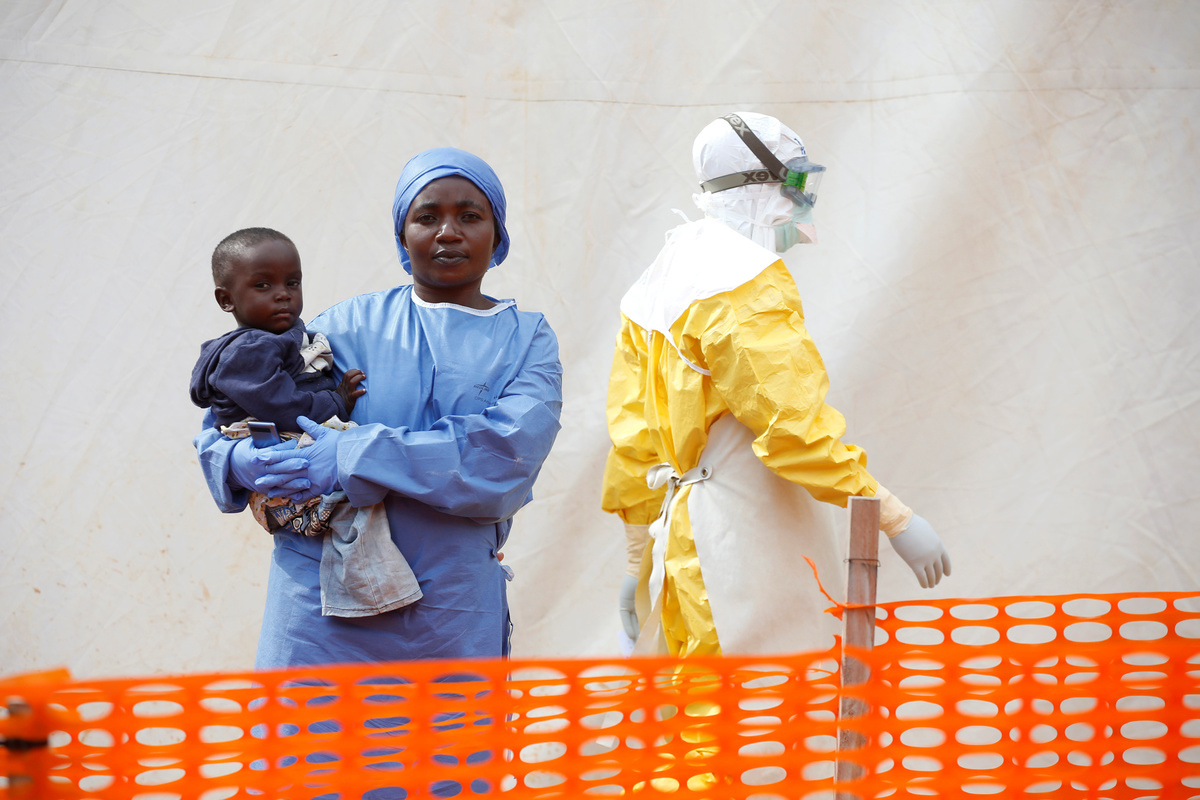
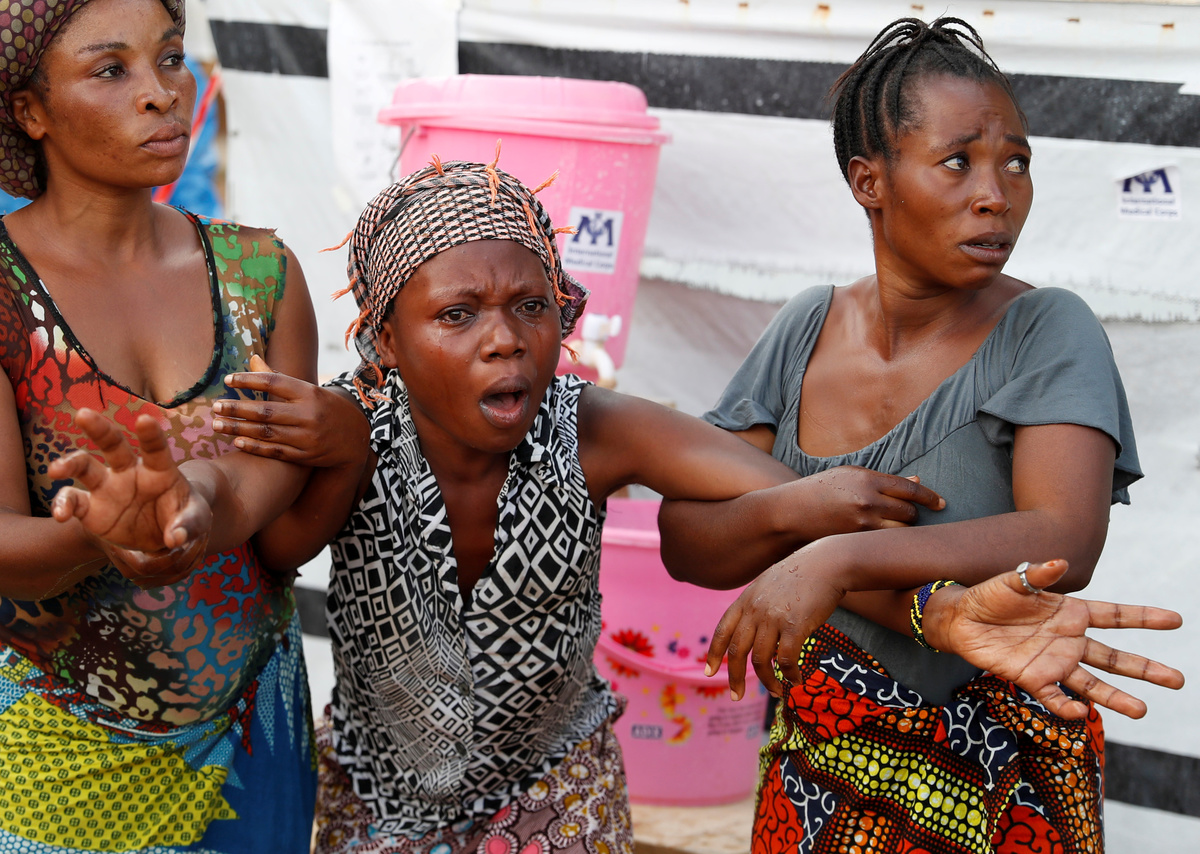
FILE PHOTO: Health workers dressed in protective suits carry a Congolese woman confirmed to have Ebola as she is admitted to the Ebola treatment centre in Butembo, in the Democratic Republic of Congo, March 28, 2019. REUTERS/Baz Ratner/File PhotoFILE PHOTO: A suspected Ebola patient stands behind a plastic screen at an Ebola treatment centre in Butembo, in the Democratic Republic of Congo, March 28, 2019. REUTERS/Baz Ratner/File PhotoFILE PHOTO: Moise Vaghemi, 33, a father of two children and an Ebola survivor who works as a nurse, tends to a patient who is suspected to be suffering from Ebola, inside the Biosecure Emergency Care Unit (CUBE) at an Ebola treatment centre (ETC) in Katwa, near Butembo, in the Democratic Republic of Congo, October 3, 2019. REUTERS/Zohra Bensemra/File PhotoFILE PHOTO: Health workers dressed in Ebola protective suits carry a coffin with the body of Congolese woman Kahambu Tulirwaho, who died of Ebola, as it is transported for a burial from the Ebola treatment centre in Butembo, in the Democratic Republic of Congo, March 28, 2019. REUTERS/Baz Ratner/File PhotoFILE PHOTO: Ebola survivor Jeanine Masika Mbuka holds Furana Katungu, a two-year-old confirmed ebola patient, inside the Biosecure Emergency Care Unit (CUBE) at the ALIMA (The Alliance for International Medical Action) Ebola treatment centre in Beni, Democratic Republic of Congo, March 31, 2019. Picture taken through a plastic divider. REUTERS/Baz Ratner/File PhotoFILE PHOTO: Red Cross workers carry the coffin of a woman who died of Ebola to be buried at a cemetery in the Eastern Congolese town of Butembo in the Democratic Republic of Congo, March 28, 2019. REUTERS/Baz Ratner/File PhotoFILE PHOTO: A healthcare worker sprays a room during a funeral of Kavugho Cindi Dorcas who is suspected of dying of Ebola in Beni, North Kivu Province of Democratic Republic of Congo, December 9, 2018. REUTERS/Goran Tomasevic/File PhotoFILE PHOTO: Vianey Kombi, 31, An Ebola survivor and caregiver, takes care of a three-month-old orphan girl who is confirmed to be suffering from Ebola, inside the Biosecure Emergency Care Unit (CUBE) at Medecins Sans Frontieres (MSF) Ebola treatment center (ETC) in Beni, in the Democratic Republic of Congo, October 6, 2019. REUTERS/Zohra Bensemra/File PhotoFILE PHOTO: Eugenie Katungu Kavuya, 21, and her cousin Noella Masika Vinyinyi, 30, both Ebola survivors who work as caregivers at an Ebola treatment centre (ETC), react as they stand next to Kavuya's parents' graves, who died of Ebola, at Vuhunga cemetery in Katwa, near Butembo, in the Democratic Republic of Congo, October 4, 2019. REUTERS/Zohra Bensemra/File PhotoFILE PHOTO: A healthcare worker holds a coffin for a baby suspected of dying of Ebola during the funeral in Beni, North Kivu Province of Democratic Republic of Congo, December 18, 2018. REUTERS/Goran Tomasevic/File PhotoFILE PHOTO: A health worker burns food waste of Ebola patients, removed from Biosecure Emergency Care Units at incineration part of an Ebola treatment center (ETC) in Katwa, near Butembo, in the Democratic Republic of Congo, October 5, 2019. REUTERS/Zohra Bensemra/File PhotoFILE PHOTO: The mother of a baby suspected of dying from Ebola, cries outside a hospital in Beni, North Kivu Province of Democratic Republic of Congo, December 15, 2018. REUTERS/Goran Tomasevic/File PhotoFILE PHOTO: A mother of a child, suspected of dying from Ebola, cries near her child's coffin in Beni, North Kivu Province of Democratic Republic of Congo, December 17, 2018. REUTERS/Goran Tomasevic/File PhotoFILE PHOTO: Mwamini Kahindo, an Ebola survivor working as a caregiver to babies who are confirmed Ebola cases, holds an infant outside the red zone at the Ebola treatment centre in Butembo, Democratic Republic of Congo, March 25, 2019. REUTERS/Baz Ratner/File PhotoFILE PHOTO: A mother of a child, suspected of dying from Ebola, cries outside a hospital during the funeral in Beni, North Kivu Province of Democratic Republic of Congo, December 17, 2018. REUTERS/Goran Tomasevic/File Photo
Sign up to read this article
Read news from 100’s of titles, curated specifically for you.