The foreign exchange market rarely moves in isolation. Over the past year, global events have played a major role in shaping currency trends, reminding traders how closely geopolitics and forex are connected. From ongoing regional conflicts to shifting alliances and policy responses, currency markets have reacted quickly to uncertainty. In this article, QuantExperts Group reviews how geopolitical developments have influenced major currency pairs and what this has meant for market participants.
Geopolitics as a key driver in the forex market

Geopolitical tension has long been a factor in currency movements, but recent events have increased its impact. Conflicts, trade disputes, and diplomatic standoffs tend to raise uncertainty, pushing investors toward what they see as safer currencies. At the same time, countries directly involved in conflicts experience pressure on their local currencies due to concerns about economic growth, inflation, and capital flows.
According to QuantExperts Group analysts, the past year showed how quickly sentiment can change. News related to conflict escalation, ceasefire talks, or international sanctions caused sharp short-term moves in the forex market. These reactions highlighted the importance of staying informed and understanding how non-economic factors can influence exchange rates.
Major currency pairs under pressure
Some of the most actively traded currency pairs reflected these geopolitical shifts clearly. The EUR/USD pair, for example, was influenced not only by interest rate decisions but also by regional security concerns and energy supply risks. Tensions near Europe’s borders affected confidence, while policy responses from central banks added another layer of complexity.
Similarly, USD/JPY movements were shaped by global risk sentiment. During periods of heightened uncertainty, the Japanese yen strengthened as investors looked for stability. However, this trend was sometimes offset by domestic monetary policy differences, showing how geopolitics and economics can pull currencies in different directions.
The British pound also experienced volatility. Political developments, trade negotiations, and global conflict concerns influenced GBP pairs throughout the year. QuantExperts Group notes that these movements reinforced the idea that currency pairs rarely react to a single factor; instead, they reflect a combination of global and local pressures.
Safe-haven currencies and market behavior
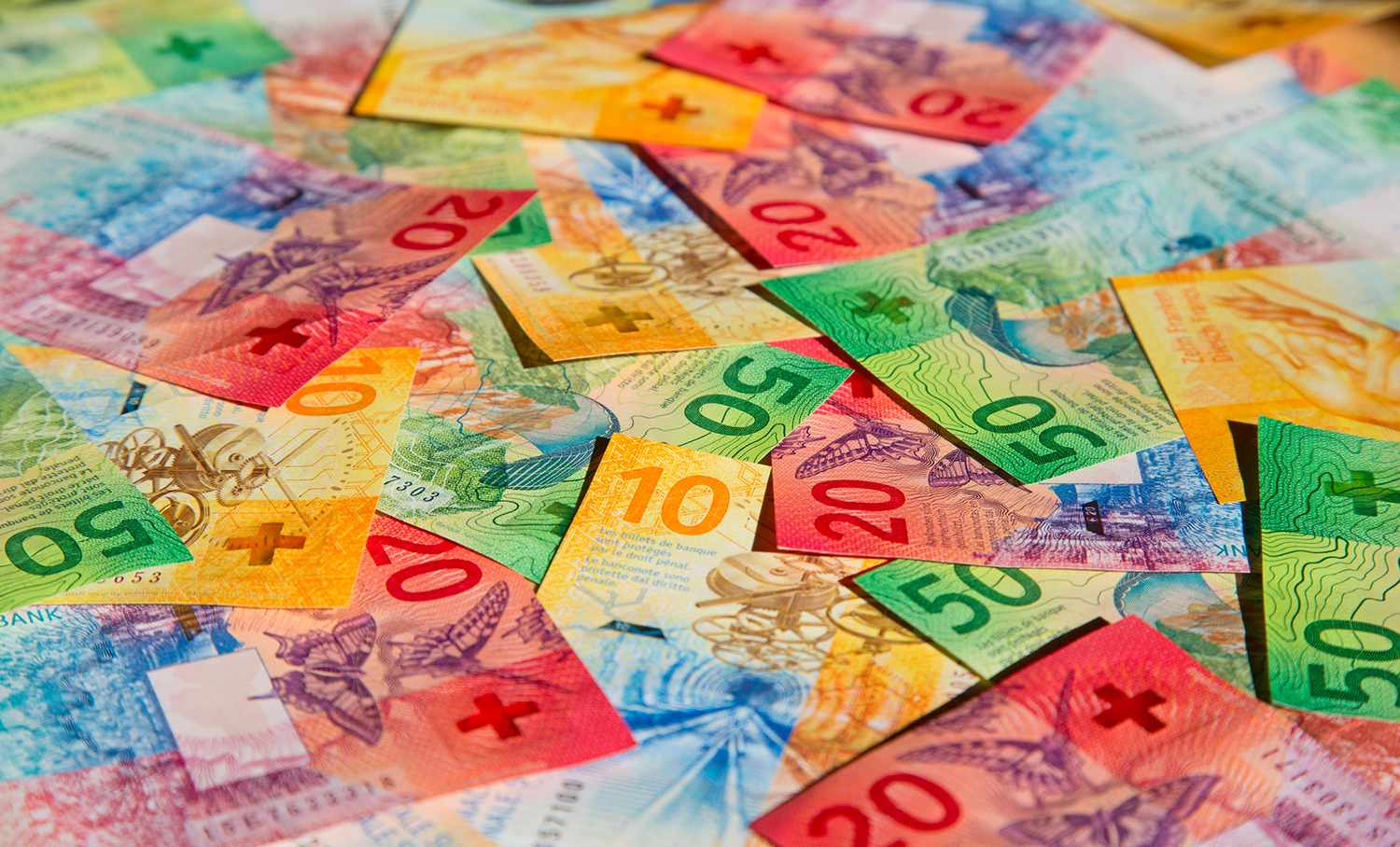
One clear pattern during periods of conflict was the renewed interest in so-called safe-haven currencies. The US dollar, Swiss franc, and Japanese yen benefited when geopolitical risks increased. This behavior is not new, but the frequency of global flashpoints over the year made these shifts more noticeable.
However, relying solely on the safe-haven concept can be misleading. As experts have pointed out, markets can respond differently depending on the nature and location of a conflict. For example, if a crisis directly affects a major economy, traditionally strong currencies can face pressure. This underlines the need for careful analysis.
Reviewing the year in forex shows that geopolitical awareness is no longer optional for traders. Conflicts and political developments can move markets just as strongly as economic data releases. For individuals trading currency pairs, this means paying attention to global news, understanding potential spillover effects, and managing risk carefully.