With the spread of the new coronavirus, calls are growing worldwide for more restrictions on the trade in wildlife to prevent unknown viruses in animals from infecting humans.
The danger of infectious diseases is increasing as the living environments of humans and animals get ever closer due to deforestation and unchecked development.
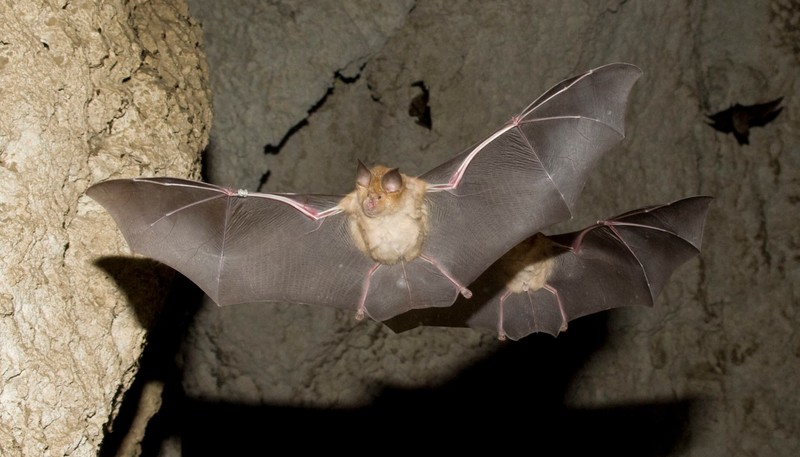
According to the World Health Organization and other sources, the new coronavirus is believed to have originated from a virus present in bats. Studies are continuing on the possibility that another animal may have transmitted this virus to humans.
The suspected vector is a pangolin, a rare scaly mammal about 30 to 85 centimeters long. According to a March paper by the University of Hong Kong and other institutions, the coronavirus and the Malayan pangolins that had been smuggled into China shared about 90% of the genetic information.
Pangolin scales are used in traditional Chinese medicine. International trade in pangolins for commercial purposes is prohibited by the Convention on International Trade in Endangered Species of Wild Fauna and Flora, also known as the Washington Convention. However, there have been a number of smuggling cases to China from Southeast Asia and elsewhere.
In March, Chinese customs authorities seized 820 kilograms of pangolin scales after raiding a smuggling group, the state news agency Xinhua reported. Illegal trading of pangolins is being conducted on the black market, making it difficult to grasp its actual situation.
Wild animals are popular ingredients for cooking in China. As wild animals are widely sold on in public markets, there has been a concern that diseases could spread mostly through their excrement. In February, the Standing Committee of the National People's Congress banned hunting and trading wild animals for food in view of revising the "bad habit" of eating them.
However, the use of wild animals for medical purposes has been set as an exception under the ban. During the outbreak of severe acute respiratory syndrome in China's Guangdong Province in 2002 and 2003, the trade of wild animals was banned except for scientific research, but the ban was lifted in about six months. Amid the current coronavirus outbreak, it is important to continue the latest ban and ensure the transparency of transactions of wild animals for medicinal purposes.
In April, Tedros Adhanom Ghebreyesus, director general of the WHO, called on countries to ban the trade of edible wild animals. Elizabeth Maruma Mrema, acting executive secretary of the U.N. Convention on Biological Diversity, also made a similar call, telling The Guardian newspaper that it "would be good to ban the live animal markets."
According to the World Wide Fund for Nature (WWF) and other sources, trade in wild animals is also active in Southeast Asia and Africa. In April, the United States reportedly asked the Association of Southeast Asian Nations to close wildlife trade markets. However, international discussions on the establishment of a regulatory framework have yet to begin.
"As with climate change, it is difficult to solve this issue by one country alone," said Sadayoshi Tobai, senior director of WWF Japan. "We need to share a sense of crisis throughout the world."
In Japan, wild deer and wild boars are harvested for food, but according to the Health, Labor and Welfare Ministry, viruses carried by them have been studied, and therefore they are unlikely to become the sources of unknown viruses. Instead, smuggled pets have been cited as a source of risk.
According to the Finance Ministry, the number of cases in which imports of living animals regulated under the Washington Convention were cracked down on reached 178 in 2018, with a wide variety of species and regions, including lizards from the South Pacific and owls from Southeast Asia.
"The study of viruses in rare creatures has not sufficiently conducted," said Tomomi Kitade, head of Traffic Japan, an international nongovernmental organization. "They may have an unknown virus."
Low awareness of this issue is another problem in Japan. In a survey conducted by the WWF in March among citizens of five Asian countries and regions, 59% of respondents in Japan said there are no illegal wild animal markets in their country. While more than 90% of respondents outside Japan expressed support for policies to crack down on illegal markets, the figure stood only at 54% in this country.
Thus, it is essential to raise the awareness of each and every member of the public in order to prevent another coronavirus outbreak.
Infections such as from viruses that invade both humans and animals are called zoonoses. According to the National Institute of Infectious Diseases, about 60% of human infectious diseases are zoonotic, including the plague, which hit Europe in the 14th century, and the Ebola virus, which is believed to carry a 50% fatality rate.
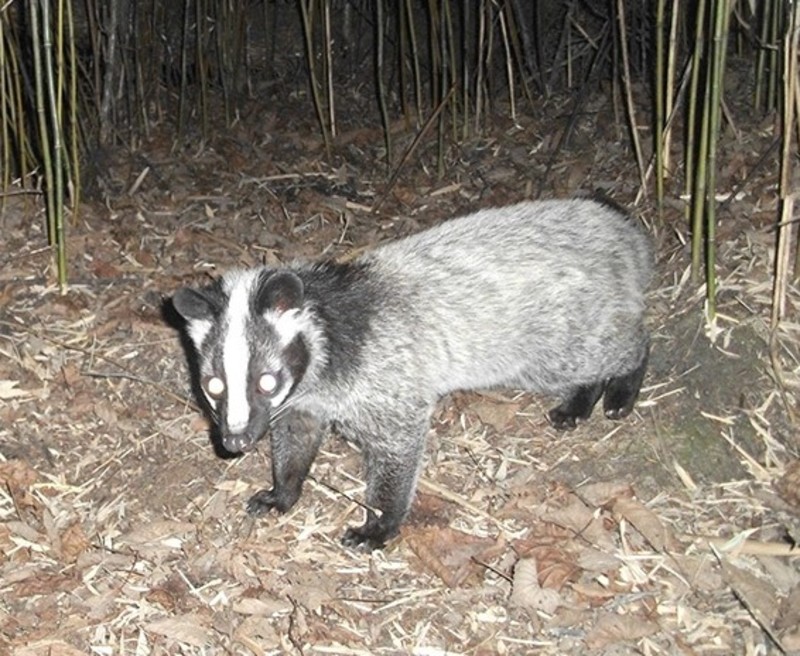
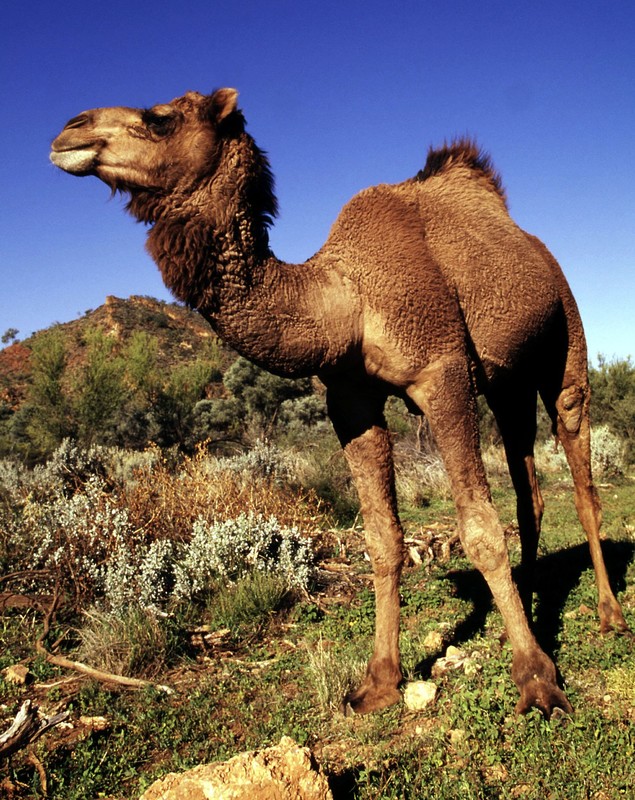
Zoonoses caused by coronaviruses include -- in addition to the latest pandemic -- SARS and Middle East respiratory syndrome (MERS), which spread mainly in the region in 2012. The SARS virus is believed to have been transmitted to humans from palm civets, while the MERS virus is believed to have been transmitted from dromedaries, which are used for tourism and food.
Read more from The Japan News at https://japannews.yomiuri.co.jp/