The government and ruling parties are growing concerned over the increasing job turnover among young bureaucrats, coupled with a drop in the number of applicants for national public service.
The decreasing number of people wanting to work as national public servants could lead to a decline in the government's ability to formulate and implement policies.
The Liberal Democratic Party outlined a proposal Wednesday in an attempt to halt the trend. The government has also started taking countermeasures.
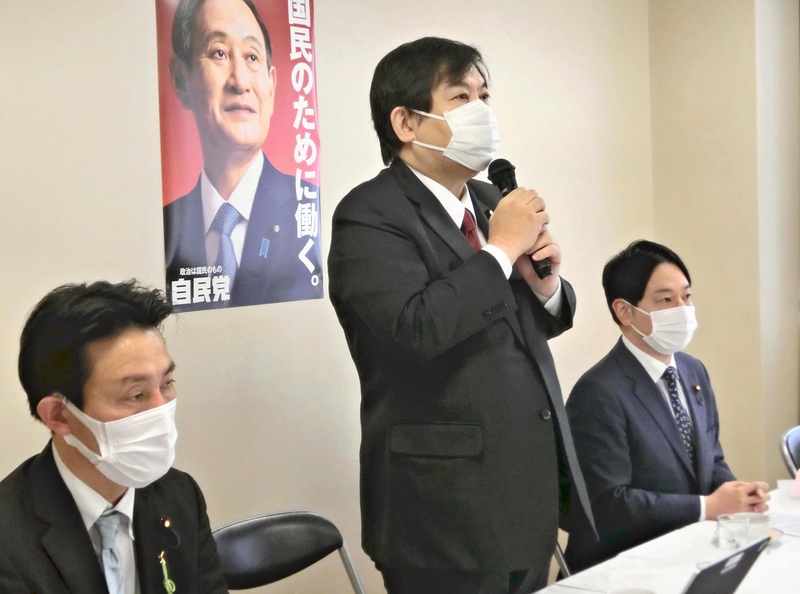
"The Kasumigaseki bureaucratic nerve center is in danger of collapse," said Masanobu Ogura, an LDP House of Representatives member who heads a team working to reform the public servant system. "If we don't do something to stop it, we won't be able to run the government properly."
On the same day, the team set forth its proposal calling for the establishment of a "special quota for the promotion of work style reform" in the government's budget to improve the working environment by promoting thorough management of overtime work and outsourcing of work.
The team also proposed that the number of employees be increased where necessary and that the personnel information databases of ministries and agencies be integrated to conduct staff evaluations on a performance-based approach.
The number of applicants for career-track positions in the national civil service has been steadily declining. According to the National Personnel Authority, the number of applicants for the spring examination in fiscal 2021 was 14,310, the lowest number since the current examination was introduced in fiscal 2012, when the number was 23,881. The rate of decline from the previous fiscal year was 14.5%, the largest drop to date.
-- A hard day's night
Turnover of young bureaucrats continues to increase. The number of career-track national public servants in their 20s who resigned for personal reasons quadrupled in the six years to fiscal 2019. According to a poll conducted by the Cabinet Personnel Bureau released in June last year, one in seven male employees under the age of 30 responded that they wanted to quit within three years.
One reason behind the trend is that bureaucrats work long hours. Diet members are often late in submitting their notifications about questions they plan to pose during Diet deliberations, causing many bureaucrats to work through the night preparing answers.
Also, workloads have increased due to the coronavirus pandemic. One Cabinet Secretariat official worked 364 hours of overtime in January.
"We're always criticized even if we work through the night," said a young employee at the Health, Labor and Welfare Ministry. "I can understand why many [bureaucrats] want to move to the private sector, where they are treated better."
The government is also taking measures to motivate young government employees, such as by promoting telecommuting, making work hours more flexible and holding meetings to exchange opinions with senior officials.
The Education, Culture, Sports, Science and Technology Ministry began an initiative of having young staff experience being "secretary for a day" to the minister to boost the job's appeal.
Read more from The Japan News at https://japannews.yomiuri.co.jp/