Sony's LocoRoco on PlayStation Portable
The Albanian born artist Anri Sala made a film about an ex-soldier in the French Foreign Legion. Shot against the dismal skies of a Paris suburb, he followed the man as he went about his day. Yet strangely he only filmed the soldier's hands. This is because the man lived out his days playing computer games and apart from the occasional excursion to the local shop, the only animated things about the man were his hands. Confronted with the quietude of civilian life, the solider sought out the virtual thrills of combat on video.
I could have used any number of examples of artworks inspired by computer games - there are too many to count. From the choky graphics of Tod Hanson's installations to the French duo Kolkoz, the influence of computer games is endemic. Yet the question of whether the actual games themselves are art is still debatable. Yes, they are a major influence on artists. In a society that embraces digital arts, email art and programming art, there is no question that the computer game is a viable medium. Yet, on the day that PlayStation 3 goes on sale, are those software programmers, however sophisticated, actually artists?
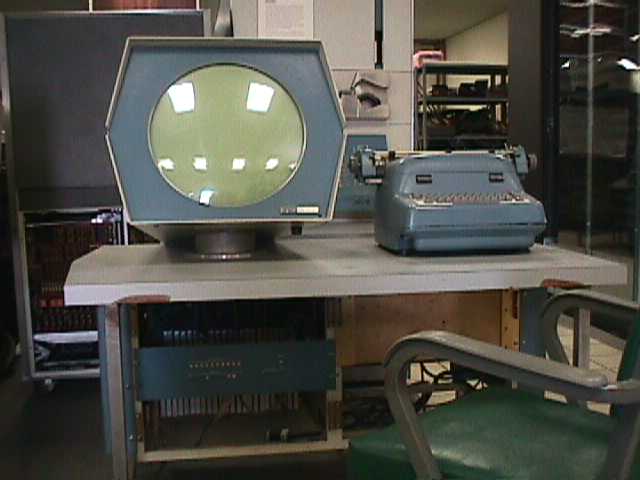
To decide, let's go back through the midst of time, to when Space Invaders ruled the big thumbs. An exhibition at the Barbican Art Gallery a couple of years ago explored the history and culture of computer games from 1962 to the present. From the clunky technology of PDP-1 to PlayStation 2, it celebrated the design processes and slick concepts that made computer games so fascinating. Yet what became apparent walking round the show was just how the early graphics of Pacman and others had infiltrated our aesthetic judgements. The little face chomping round the maze and the simple triangular rockets of Space Invaders had become so familiar they were as recognisable as the Mona Lisa.
If we accept that these graphics are now unquestionably artistic, then it's only the argument of hindsight that is stopping us describing current software programmers as artists. There is the argument that computer games are in a commercial market, designed with the player in mind. But everyone knows the art world is controlled by the art market, and to suggest artists are unconcerned by their audience or the market value of their work is simply wishful thinking. But there is more to the computer game than the graphics. The quest that the player is on is a performance in itself - an epic journey of labyrinthine proportions. I cannot recount how many times I've interviewed artists who have mentioned the movie Tron as an influence in their work, and to me the virtual experience of the player, trapped momentarily in an alternative world of gunslingers and kung-fu mercenaries, is as much a performance as watching a shaman converse with the spirit world. The mental and intellectual battle may not be the same, but for the player, the software programmer has offered them an alternative vision of the universe - and surely, that is what art is about?