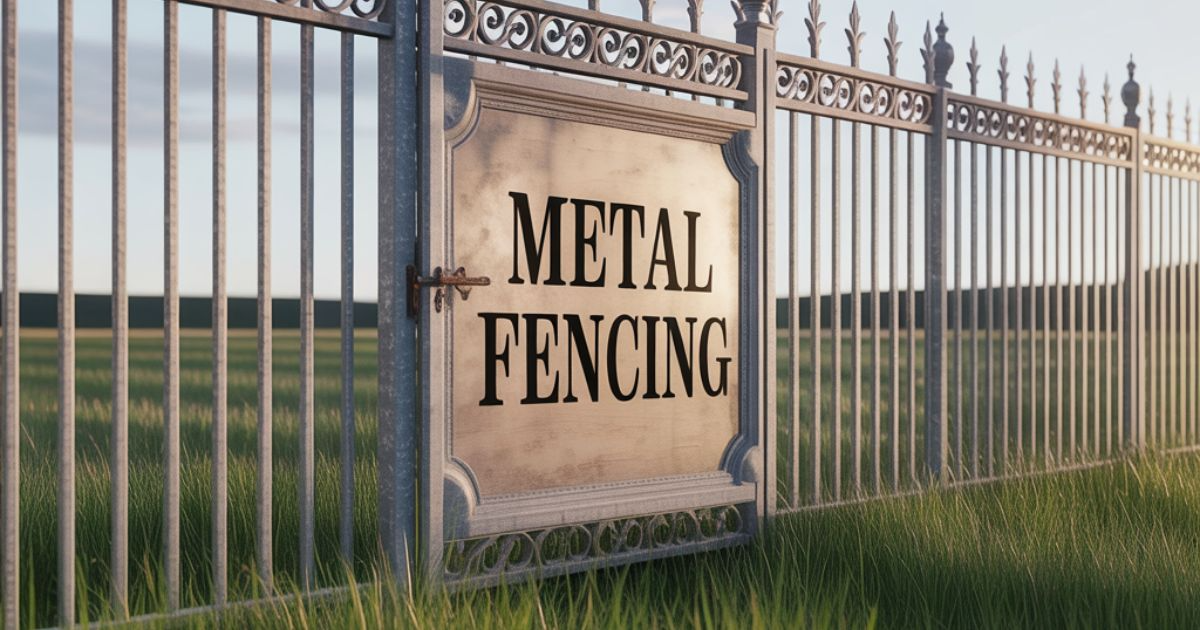
If you’re searching for a way to protect your property while still making it look stylish, you’ve come to the right place. Metal fencing offers a rare mix of strength, beauty, and reliability that other materials struggle to match. Many people wonder if it’s possible to keep their home or business secure without losing visual appeal, and the answer is yes.
In this guide, you’ll discover how metal fence panels, security fencing, and a wide variety of fencing styles and designs can give you both safety and elegance. By the time you finish reading, you’ll know the different types of metal fencing, the benefits, installation tips, and even how to keep your fence looking its best for years to come.
What is Metal Fencing?
Metal fencing refers to protective barriers made from tough and durable fencing materials such as steel fencing, aluminium fencing, cast iron fencing, or wrought iron fencing. Unlike wood or vinyl, metal offers exceptional strength, long life, and resistance against daily wear and tear. People use metal fence panels for both residential fencing solutions and commercial fencing systems because they act as strong boundary fencing while adding beauty to outdoor areas.
In many gardens, a metal garden fence blends with landscaping while ensuring pets or children stay safe inside. In business settings, mesh fencing or galvanised steel fence solutions are chosen for durability and protection.
Types of Metal Fencing
When exploring types of metal fencing, you’ll notice that each material has its own character. Wrought iron fencing is known for ornate looks and elegance. Steel fencing gives maximum toughness and can be found in many modern fencing designs. If you prefer lightweight yet strong solutions, aluminum fencing works well because it resists rust and requires little maintenance. For a more traditional touch, cast iron fencing delivers classic charm but needs attention to prevent corrosion.
Each choice suits a different purpose, from garden fencing ideas to commercial fencing systems designed to control access or protect larger spaces.
Key Benefits of Metal Fencing
The biggest benefit of metal fencing is its strength. Unlike timber, it doesn’t warp or crack easily, and with the right coating, it resists weather for years. Powder-coated fencing and galvanised steel fence finishes add extra layers of protection against rust. This makes them ideal for low-maintenance fencing needs.
Another major advantage is flexibility. From residential fencing solutions around a garden to commercial fencing systems securing industrial sites, metal can be adapted to fit any setting. It also supports creative designs, letting you pick from sleek, minimalist lines to traditional fencing styles and designs.
Possible Drawbacks to Consider
Despite its strengths, metal fencing does have limitations. Some types may require higher investment, especially steel fencing or bespoke wrought iron fencing with decorative touches. Without proper rust prevention for fences, certain metals may show signs of corrosion over time. While aluminum fencing offers eco-friendly fencing benefits, it may not feel as robust as heavy-duty steel in high-security zones. Understanding these points helps balance your priorities before choosing.
How to Choose the Right Metal Fence for Your Property
Selecting the right option starts with identifying your main goal. If safety is your priority, security fencing with tall metal fence panels is a strong choice. For family homes, you may want a metal garden fence with fencing accessories (post caps, finials, etc.) that add charm while serving as boundary fencing.
Think about your budget as well. Some modern fencing designs can be costly but last for decades, making them a wise investment. Also, consider rules in your area that may limit height or style choices. By balancing safety, looks, and care needs, you’ll find the fence that suits you best.
Installation Process for Metal Fences
The fence installation process depends on whether you want to do it yourself or hire professionals. Installing metal fence panels requires measuring the ground, digging post holes, and securing panels firmly. Many property owners choose experts because professional teams handle alignment, anchoring, and any tricky ground conditions.
For DIY projects, following correct spacing and anchoring techniques is essential to prevent movement. Proper installation ensures durable fencing materials live up to their promise of long-term reliability.
Maintenance and Care Tips
One of the advantages of metal fencing is that it often qualifies as low-maintenance fencing. Still, a little care extends its life. Cleaning with mild soap and water removes dirt, while checking for scratches prevents rust from spreading. For older styles like cast iron fencing, applying protective coatings or using paint designed for rust prevention for fences works best.
Adding fencing accessories (post caps, finials, etc.) not only enhances style but also protects exposed posts from water damage. Regular checks mean fewer repairs and longer-lasting fences.
Metal Fencing vs Other Materials
When comparing metal fencing with wood, vinyl, or composite options, the differences are clear. Wood may look warm but requires more upkeep. Vinyl offers low care but may not withstand impact as well. Metal fence panels stand out because they combine beauty with resilience.
For those seeking eco-friendly fencing, aluminium and recycled steel make sustainable choices. Plus, fencing styles and designs in metal now mimic the look of timber or stone while keeping the strength of metal.
Popular Designs and Customisation Options
One of the joys of metal fencing is the ability to customise. Whether you want modern fencing designs with clean, minimalist lines or traditional decorative fencing options like scrolls and twists, the choices are endless. You can add personal flair through fencing accessories (post caps, finials, etc.) or upgrade with fencing gates and automation to control entry.
In gardens, metal garden fence styles can match landscaping, while in city properties, bold geometric shapes create a striking edge. With so many fencing styles and designs, it’s easy to blend security with visual appeal.