Modern commercial pool construction is evolving rapidly. This article highlights the engineering standards, safety innovations, and energy-efficient technologies that define today’s high-performance aquatic facilities.
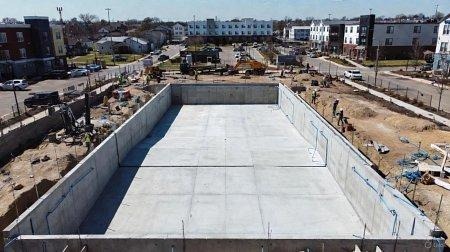
For developers, architects, facility managers, and hospitality investors, a commercial pool is a high-value, high-impact asset. It serves as a defining feature, a key revenue driver, and a critical component of the guest or resident experience. Today’s standards for large-scale aquatic facilities demand a radical departure from the construction methods of the past. The focus has decisively shifted toward modern pool engineering that prioritizes stringent safety, maximum energy efficiency, and robust long-term durability.
This comprehensive guide delves into the essential elements that define best practices in commercial pool construction and why a forward-thinking, quality-first approach is the only profitable strategy for aquatic development.
Why Modern Commercial Pools Are Different from Old-Generation Pools
The pools built decades ago often relied on simpler, less efficient technology, resulting in higher operational costs and frequent compliance challenges. Contemporary commercial pool construction is characterized by integration and intelligence, driven by technological leaps and tighter regulatory requirements.
Energy Efficiency and Sustainable Operation
The operational expense of heating and running a large commercial pool is substantial. Energy-efficient pool design is no longer optional; it is a financial necessity.
- Variable Speed Pumps (VSPs): Replacing traditional single-speed pumps, VSPs allow facility managers to modulate flow rates based on demand (e.g., lower flow overnight), drastically reducing electrical consumption. This is a foundational element in modern pool engineering.
- Advanced Heating Solutions: Modern facilities often employ high-efficiency heat pumps, geothermal systems, or solar integration rather than relying solely on traditional gas heaters. These systems offer superior thermal performance with significantly reduced carbon footprints and lower fuel costs.
- Optimal Hydronic Design: Proper sizing and layout of plumbing minimize friction loss, meaning less horsepower is required to circulate the water, further enhancing energy efficiency.
Advanced Filtration and Water Quality Automation
Managing high bather load requires sophisticated sanitation. Modern systems move beyond simple chlorine dispensing.
- Medium-Rate Sand/Glass Filters: Filters are engineered to handle heavier flow rates while maintaining superior particle removal. Glass media is often favoured for its longevity and lower required backwash frequency, conserving water.
- Supplementary Sanitization: UV (Ultraviolet) or Ozone systems are increasingly integrated as secondary sanitizers. These systems effectively neutralize Cryptosporidium and other chlorine-resistant pathogens while also reducing the reliance on primary chemicals, improving water quality and user comfort (fewer chloramines).
- Automated Chemical Controllers: These highly accurate systems continuously monitor and adjust pH and sanitizer levels in real-time, ensuring water quality compliance and preventing dangerous chemical imbalances caused by human error.
Safety, Compliance, and Future-Ready Automation
Modern pools are designed with regulatory adherence built in.
- Safety Features: From fully compliant drain covers (to prevent suction entrapment) to state-of-the-art life safety systems and depth markings, safety is integrated from the initial design phase.
- Remote Monitoring: Many systems allow facility managers or commercial pool contractors to monitor water chemistry, flow rates, and equipment status remotely via cloud-based platforms, enabling immediate preventative action and ensuring optimal maintenance.
Key Engineering Elements of High-Quality Commercial Pool Construction
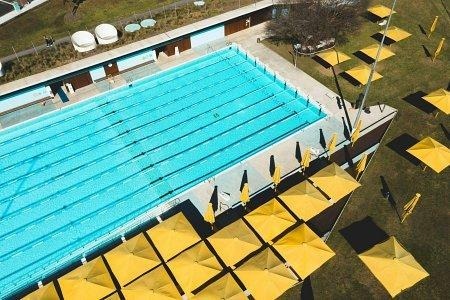
The distinction between a budget pool and a facility built for long-term durability lies in the hidden structure and integrated systems.
Reinforced Structures and Shell Integrity
A commercial pool shell must withstand immense hydrostatic pressure and chemical exposure over decades.
- Heavy Reinforcement: Structures require specific rebar patterns and high-strength concrete specifications that exceed residential standards.
- Engineered Shotcrete/Gunite: Application must be precise, often requiring specific training and certifications, to ensure uniform density and prevent cold joints or weak points that could lead to structural failure.
Pool Waterproofing and Filtration Systems
The waterproofing layer is the most critical element protecting the structure and surrounding buildings from water infiltration, which is a major concern for hotel and apartment complexes.
- Redundant Waterproofing: High-quality commercial pool construction utilizes advanced elastomeric membranes or specialized admixtures in the concrete, often applying a secondary layer underneath the finish (e.g., tile or plaster) for redundancy.
- Gutter and Surge Capacity: Commercial pools typically use perimeter overflow gutters to handle the large displacement of water from high bather load. Proper modern pool engineering ensures the surge tank capacity is accurately calculated to manage peak usage effectively, guaranteeing continuous water flow to the filtration and chlorination systems.
Advanced Plumbing and Circulation
The pipework is the circulatory system of the pool, demanding robust, high-grade materials.
- High-Grade Materials: Commercial systems rely on schedule 80 PVC piping or specialized materials designed to withstand high pressure, heat, and corrosive chemical delivery over many years.
- Accessibility: All major valves, flow meters, and connection points must be installed with dedicated access for future servicing and maintenance, a crucial consideration for facility management.
Benefits of End-to-End Project Delivery (Design-Build Services)
For complex aquatic projects, the traditional separation between architectural design, engineering and construction often leads to miscommunication and costly change orders. In many US markets, developers are shifting to integrated design-build delivery, where one team manages engineering, permitting, waterproofing and final commissioning. Some contractors, including PSST Group – pool service - Pool service, operate as full-service commercial pool builders in DC, Maryland and Virginia, ensuring code compliance, efficient hydraulics and long-term structural durability.
Even high-quality commercial pools require ongoing maintenance to preserve water quality, filtration performance and equipment life. Many facilities rely on professional pool service for seasonal inspections, chemical balance and preventative care that minimize downtime and extend operational lifespan.
Clear Communication and Integrated Accountability
When the design and commercial pool construction teams are integrated from the start:
- Seamless Workflow: Engineers and builders collaborate instantly, resolving potential construction issues during the design phase, avoiding expensive field changes.
- Single Point of Responsibility: The client deals with one entity accountable for the entire project, from concept and permitting to the final handover and balancing of the filtration and chlorination systems.
Predictable Timelines and Quality Control
Integrated teams deliver efficiencies that save time and money.
- Optimized Scheduling: Construction timelines are based on real-world engineering and supply chain knowledge, making delivery schedules more realistic and predictable for investors and developers.
- Guaranteed Quality:Commercial pool contractors specializing in design-build pool services have direct control over material specifications and installation quality, ensuring that the modern pool engineering concepts translate perfectly into the physical structure, enhancing long-term durability.
Why Planning Matters: Usage-Specific Design and Future-Proofing
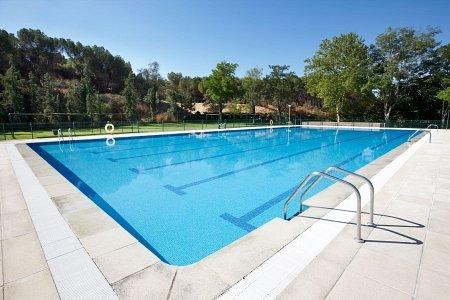
The design phase is arguably the most critical period, defining the pool’s operational future and return on investment.
Usage-Specific Design
A one-size-fits-all approach fails commercial facilities. Design must be tailored to the specific user base:
- Hotel/Resort: Design emphasizes aesthetic appeal, luxurious finishes, and safety features suitable for families and tourists, potentially including specific zones for children or relaxation (e.g., infinity edges, sun shelves).
- Spa & Wellness Centers: Focus shifts to temperature zones (hot/cold plunges), specific hydrotherapy features, specialized filtration for low-use/high-temperature water, and ambiance.
- Apartment Complex: Design prioritizes accessibility, safety, and operational simplicity for facility management, accommodating high seasonal bather load.
Future-Ready Features and Service Access
Forward-thinking design significantly impacts future operational costs.
- Modular Mechanical Rooms:Modern pool engineering designs mechanical rooms that allow for easy expansion or upgrade of filtration and chlorination systems without major structural work.
- Conduit and Wiring: Installing extra conduit during construction future-proofs the facility for upcoming automation or lighting technologies, saving immense retrofitting costs later.
- Maintenance Accessibility: Ensuring that every valve, sensor, and piece of equipment is easily accessible guarantees efficient and affordable commercial pool maintenance.
Why Long-Term Durability is More Profitable Than Cheap Construction
The temptation to cut costs during commercial pool construction is often strong, but for a high-traffic asset, this invariably leads to short-term gains and devastating long-term losses.
Lower Repair Costs and Fewer Shutdowns
A quality-built shell with premium pool waterproofing and filtration systems resists the constant stress of heavy use and chemicals. While the initial investment is higher, the facility avoids:
- Catastrophic Leaks: The most costly and disruptive repair, often requiring closure and demolition of finishes.
- Premature Equipment Failure: High-grade equipment lasts years longer, reducing the need for emergency replacements that halt operations.
Better Guest Experience and Higher Property Value
A pristine, reliable aquatic facility is a massive value proposition for any commercial property.
- Consistent Water Quality: Reliable modern pool engineering ensures the water is always safe, clear, and comfortable, translating directly into positive guest reviews and tenant retention.
- Asset Valuation: A well-documented, premium pool facility is a demonstrably more valuable asset for real estate developers and property management companies than a low-grade pool with a history of maintenance issues.
Investing in high-quality commercial pool construction using robust materials and integrated design-build pool services is the most fiscally sound decision. It guarantees adherence to health and safety regulations, minimizes life-cycle costs, and maximizes the facility’s appeal and operational lifespan.