WASHINGTON _ President Donald Trump repeatedly tried to persuade an uneasy James Comey to drop, or redirect, the Russian election case, calling it "a cloud" over his administration.
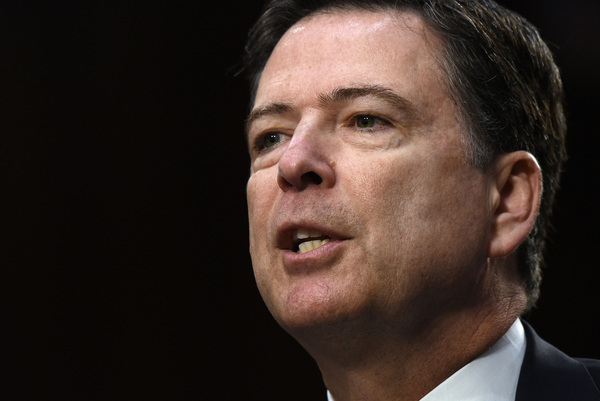
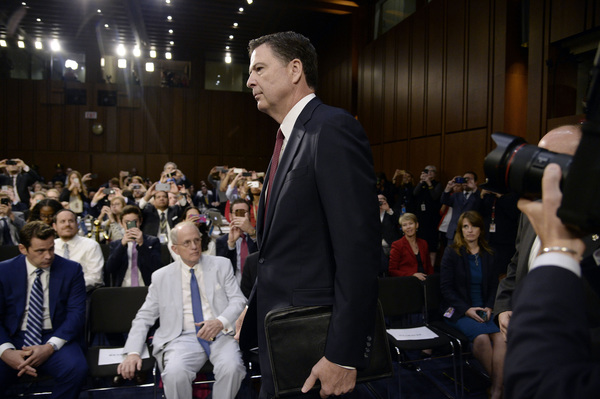
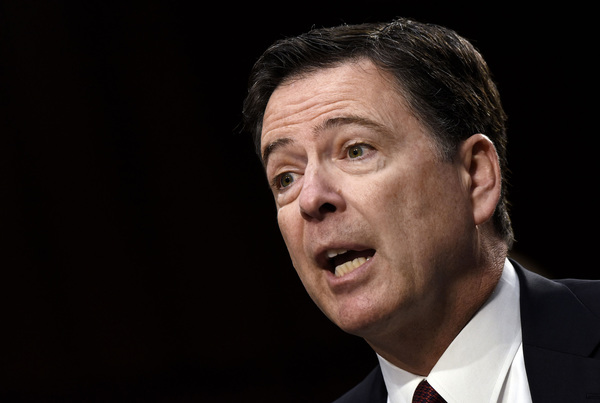
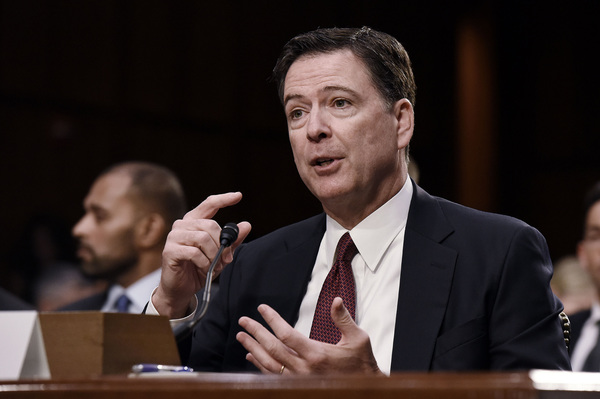
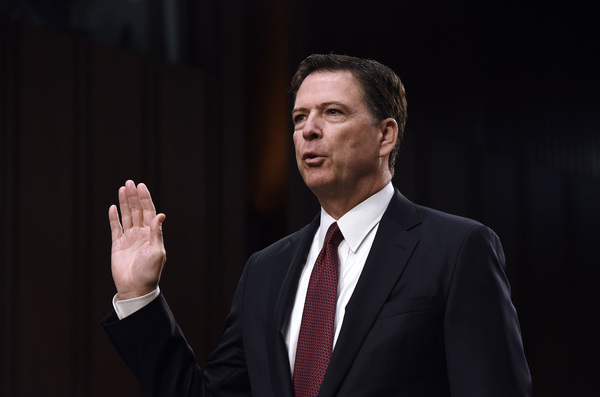
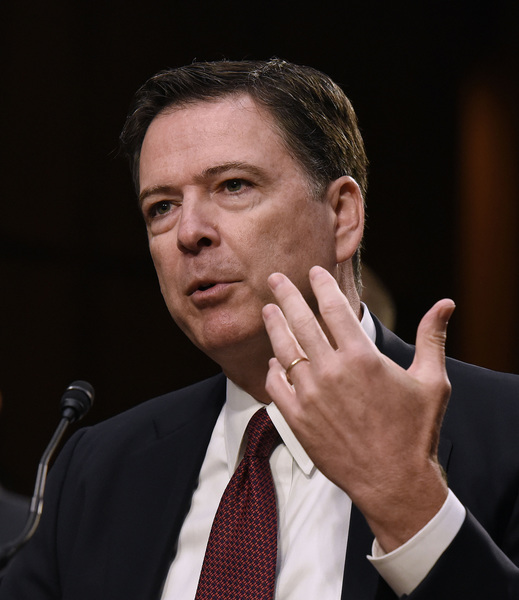
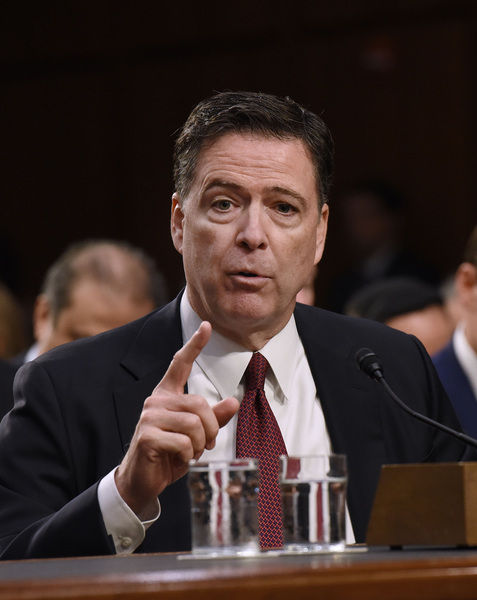
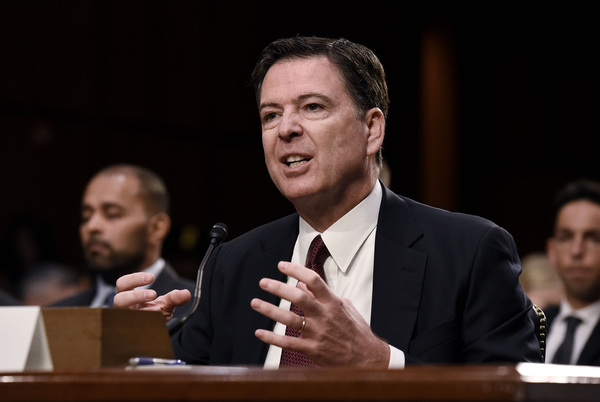
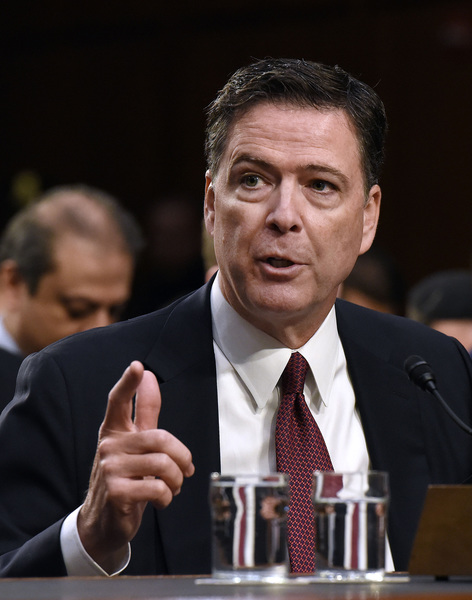
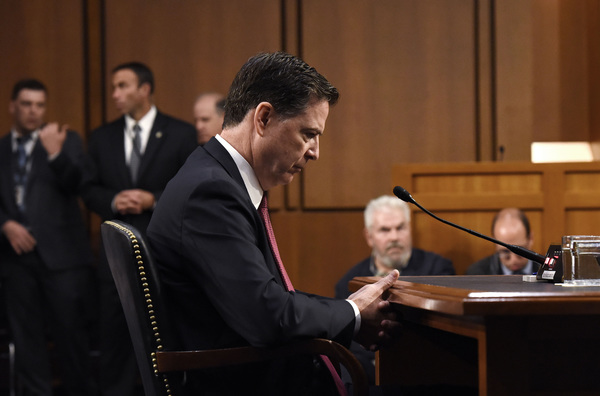
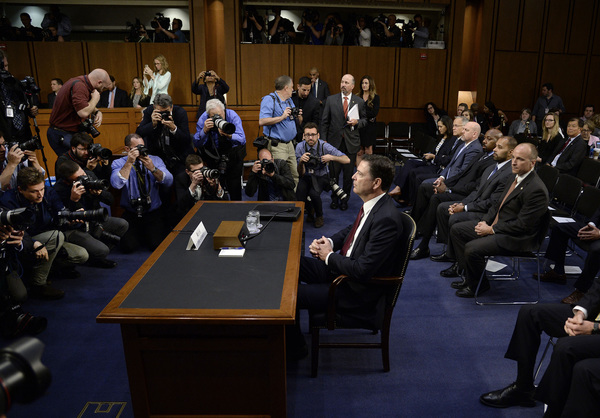
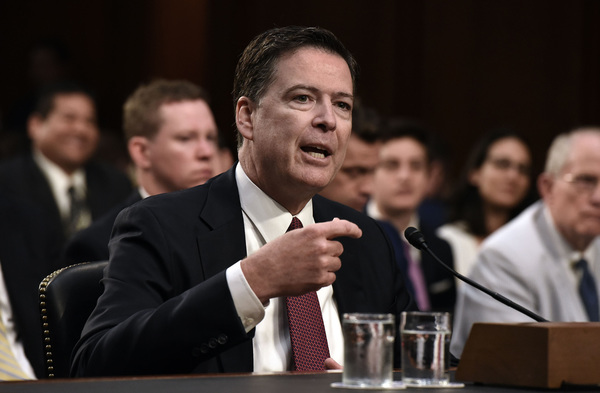
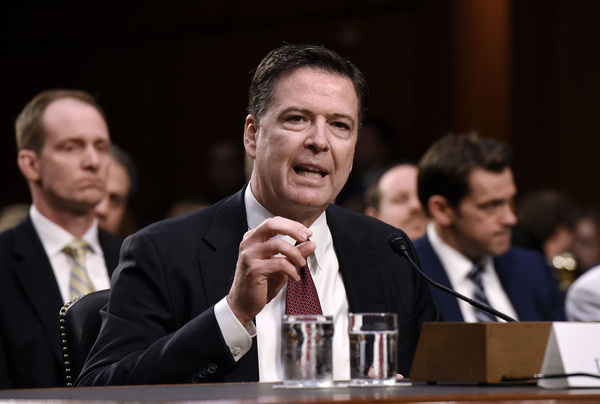
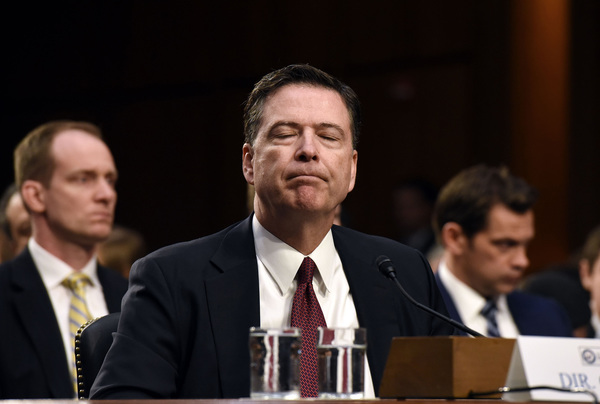
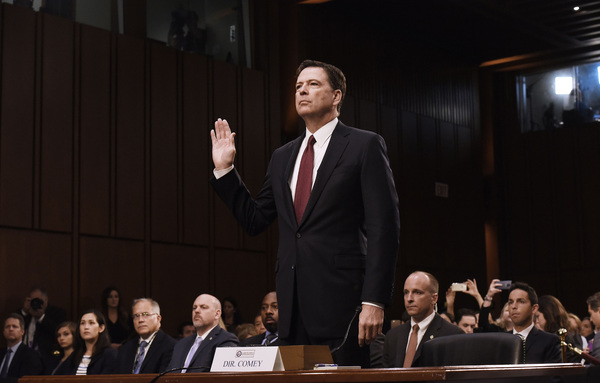
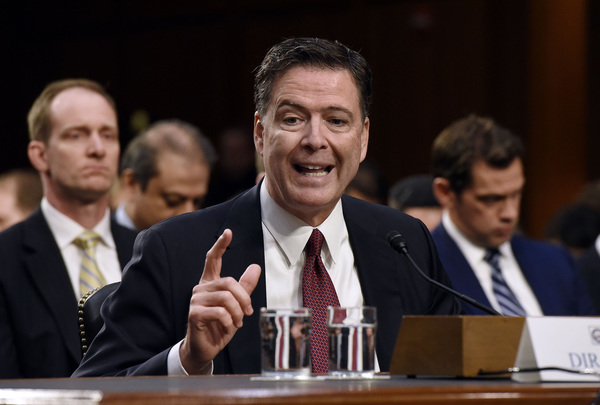
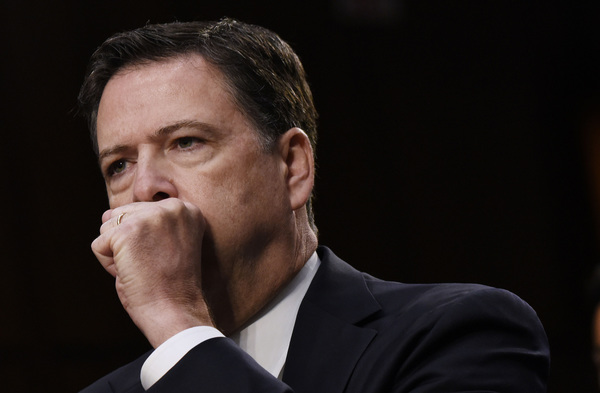
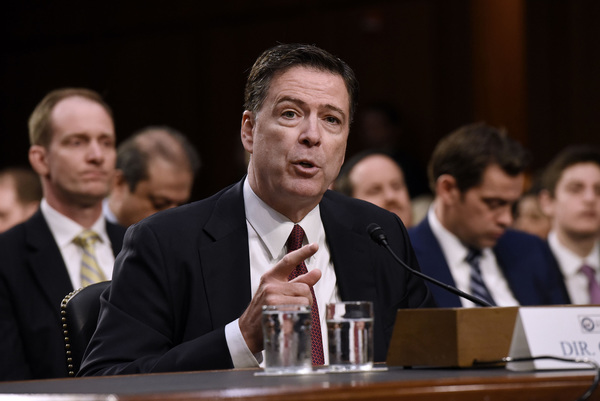
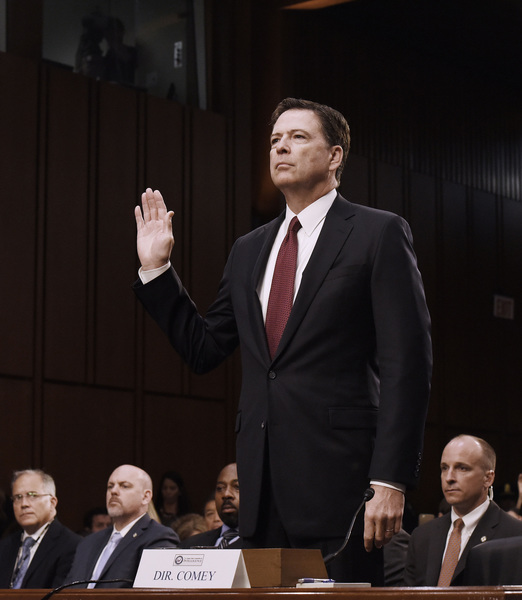
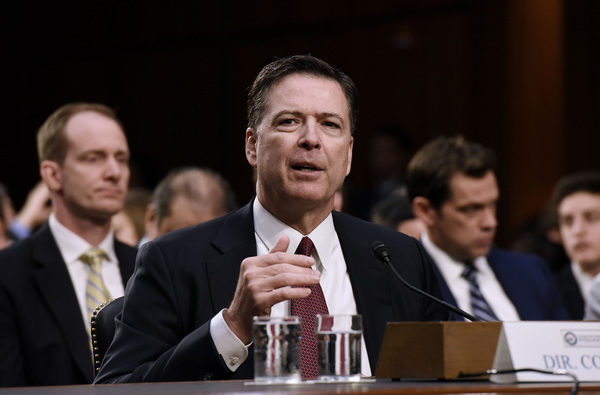
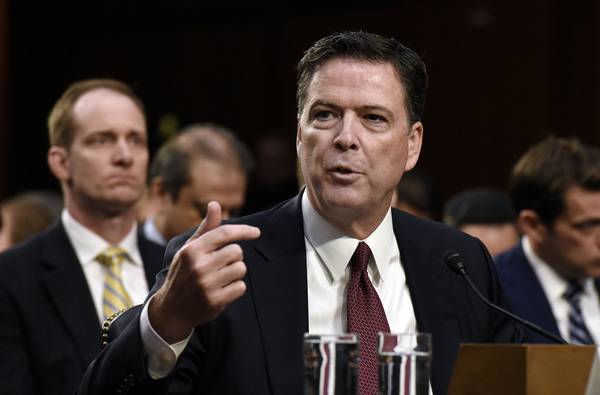
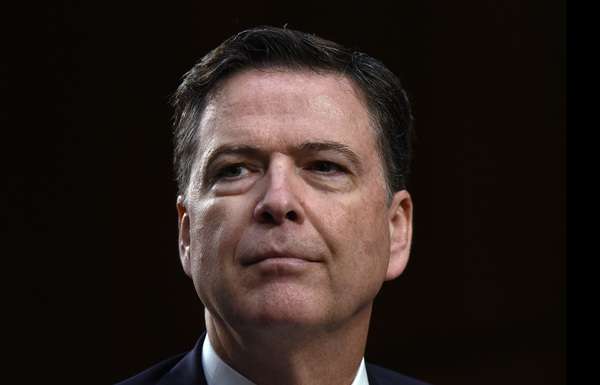
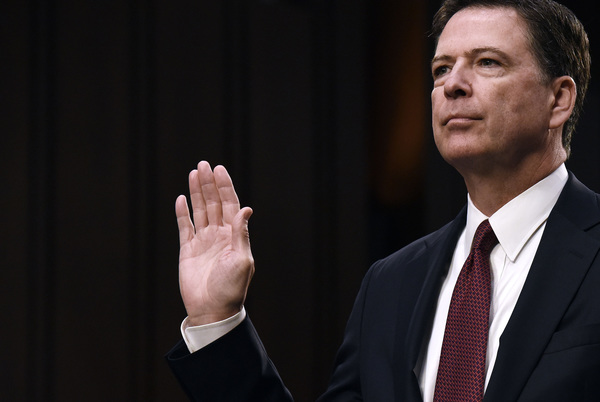
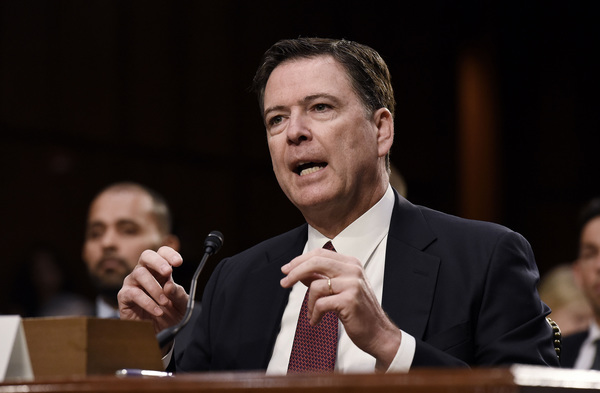
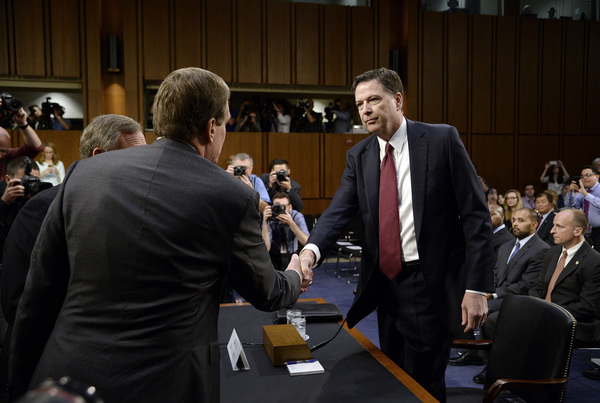
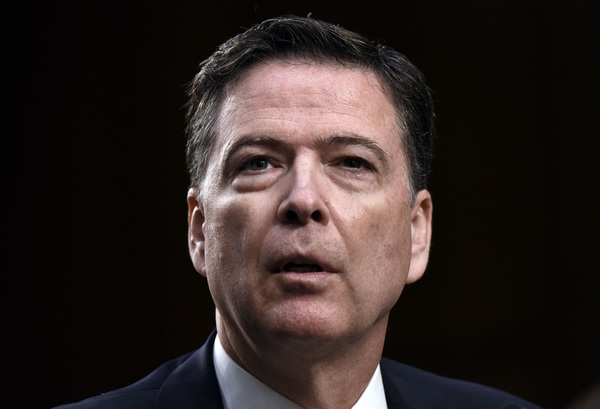
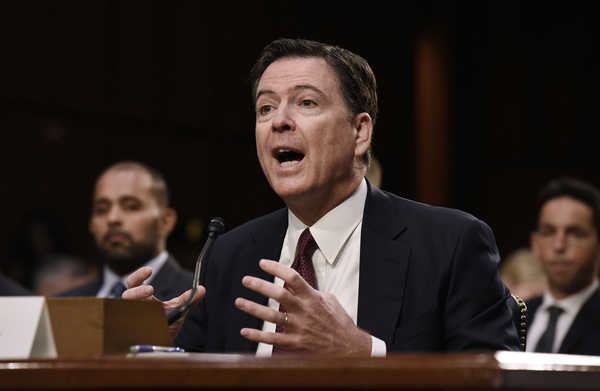
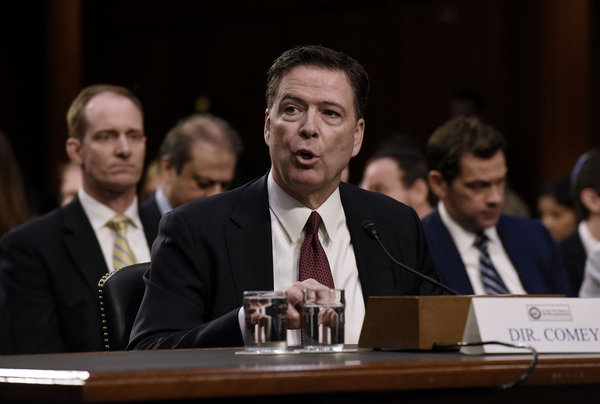
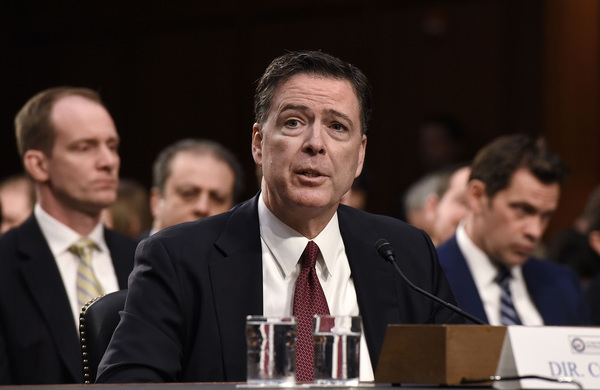
The revelations come in seven pages of prepared testimony Comey, the FBI director fired by Trump earlier this year, will deliver Thursday before the Senate Intelligence Committee.
Comey's testimony reads like a memoir _ an often damning memoir involving Trump _ on his three meetings and two phone conversations with the president.
It has plenty of the bombshells critics of Trump had anticipated, and is likely to give them strong new ammunition against the president. Three's little in it to boost the hopes of Trump loyalists.
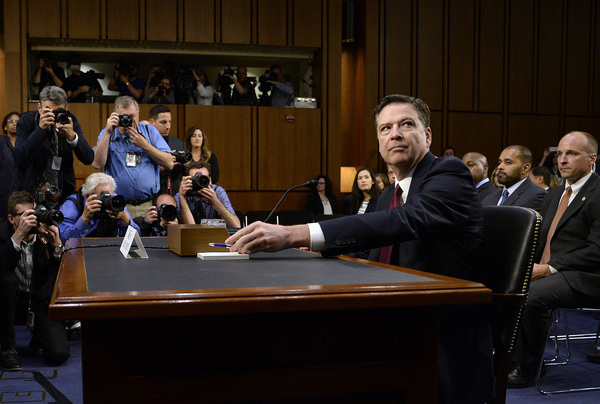
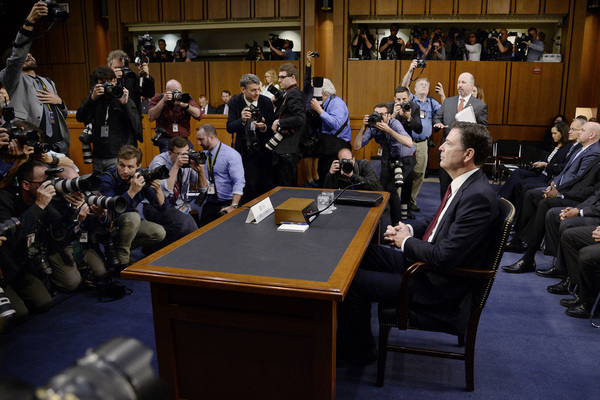
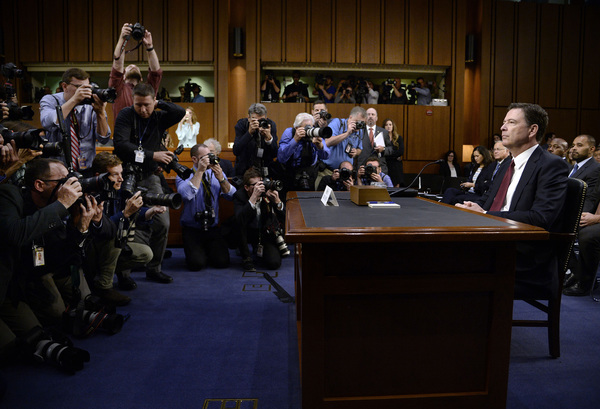
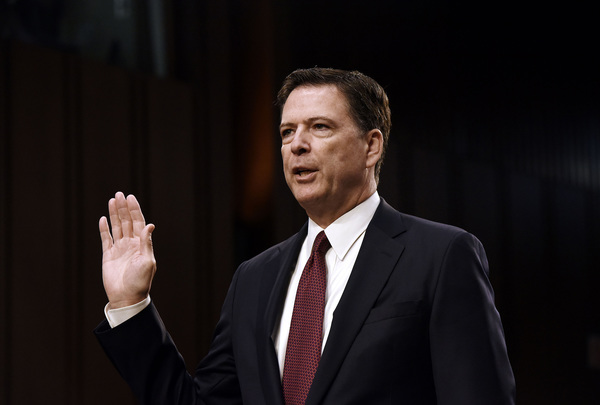
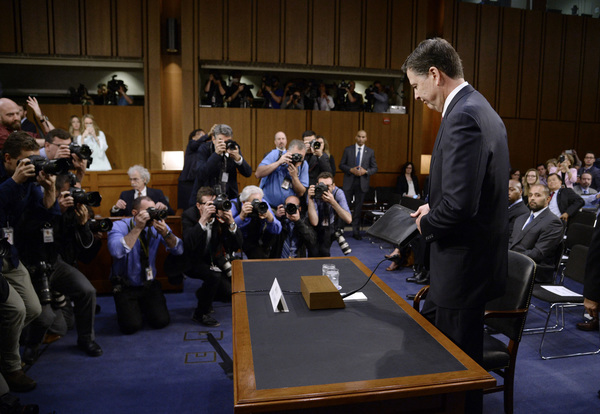
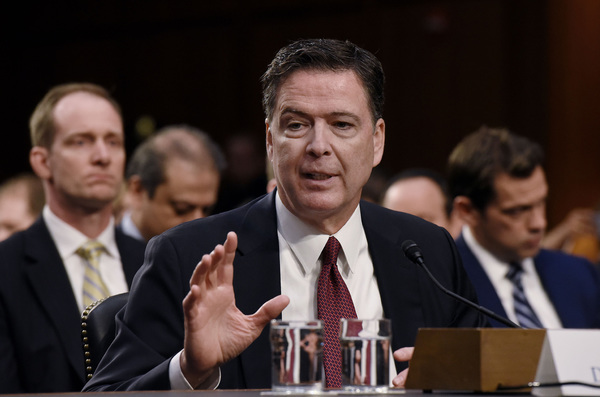
The committee's eight Republicans and seven Democrats plan to question Comey on Thursday, probably for about three hours, in an open session. Then the panel will go into a private meeting with Comey. Afterward, the committee will continue its investigation, a probe likely to last for months.
Comey leaves no doubt that the conversations made him uneasy. He refers to the president's approaches as "inappropriate" and wrote that a dinner in the Green Room at the White House on Jan. 27 left him with the impression that the meeting was "effort to have me ask for my job and create some sort of patronage relationship."

He said that his concerns led him to change his approach to presidential meetings. While noting that he had only met twice with President Barack Obama between taking charge of the FBI in 2013 and the end of his term, he said after his first meeting on Jan. 6 with Trump, he said "creating written records immediately after one-on-one conversations with Mr. Trump was my practice from that point forward. This had not been my practice in the past."
In the testimony, Comey gave Republicans one potential line of defense, making it clear that the president was not personally under investigation, and notes that he told that to Trump.
It also shows Trump wanted him to "get that fact out." Comey noted that he "did not tell the President that the FBI and the Department of Justice had been reluctant to make public statements that we did not have an open case on President Trump for a number of reasons, most importantly because it would create a duty to correct, should that change."
Comey relates a March 30 phone conversation in which Trump described the Russia investigation as "a cloud" that was "impairing his ability to act on behalf of the country."
During that conversation, Comey's statements state that the president insisted "he had nothing to do with Russia, had not been involved with hookers in Russia, and had always assumed he was being recorded when in Russia. He asked what we could do to 'lift the cloud.' "
Comey relates two in-person meetings at the White House. The first was a dinner for which Trump told Comey he "was going to invite my whole family, but decided to have just me this time, with the whole family coming the next time."
"My instincts told me that the one-on-one setting, and the pretense that this was our first discussion about my position, meant the dinner was, at least in part, an effort to have me ask for my job and create some sort of patronage relationship," he wrote. "That concerned me greatly, given the FBI's traditionally independent status in the executive branch."
The second White House meeting was in the Oval Office on Feb. 14. The meeting took place a day after Trump had dismissed national security adviser Michael Flynn.
Flynn is known to have had several contacts with Russian officials, including Russian Ambassador Sergey Kislyak and to have accepted more than $30,000 in payment for a speech in Moscow for the RT Russian television network, which the American intelligence community has labeled a propaganda arm of the Russian government.
Comey described the meeting: Trump "sat behind the desk and a group of us sat in a semi-circle of about six chairs facing him on the other side of the desk. The Vice President, Deputy Director of the CIA, Director of the National Counter-Terrorism Center, Secretary of Homeland Security, the Attorney General, and I were in the semi-circle of chairs. I was directly facing the President, sitting between the Deputy CIA Director and the Director of NCTC. There were quite a few others in the room, sitting behind us on couches and chairs."
As the meeting was ending, Trump told the others "he wanted to speak to me alone. I stayed in my chair."
Comey wrote that "as the participants started to leave the Oval Office, the Attorney General lingered by my chair, but the President thanked him and said he wanted to speak only with me. The last person to leave was Jared Kushner, who also stood by my chair and exchanged pleasantries with me. The President then excused him, saying he wanted to speak with me."
Kushner, Trump's son-in-law, is a senior White House adviser.
Comey said that as the "door by the grandfather clock closed, and we were alone" the president said "I want to talk about Mike Flynn."
"The President began by saying Flynn hadn't done anything wrong in speaking with the Russians, but he had to let him go because he had misled the Vice President. He added that he had other concerns about Flynn, which he did not then specify."
Finally, Comey writes about a phone conversation on "the morning of April 11, the President called me."
He said that the president asked him "what I had done about his request that I 'get out' that he is not personally under investigation."
Comey said he had passed the request to the Acting Deputy Attorney General. He said the conversation led to him suggesting to the president that the proper course in the future would be that "the White House Counsel should contact the leadership of (the Department of Justice) to make the request, which was the traditional channel."
Comey wrote that when Trump then said, "Because I have been very loyal to you, very loyal; we had that thing you know."
Comey said he did not ask what "that thing" was. He then ended his written testimony by noting, "That was the last time I spoke with President Trump."