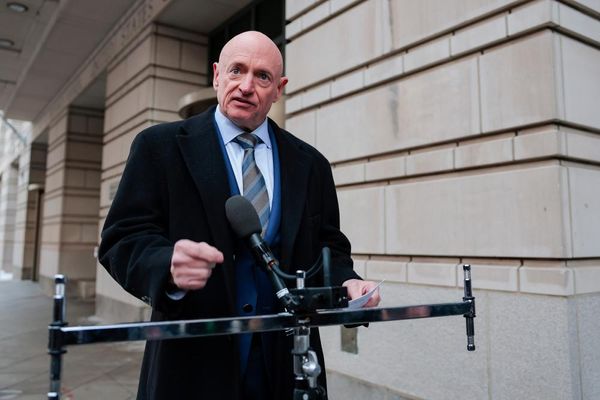
Not so long ago, no one felt obliged to take much notice of a pre-budget speech from John McDonnell. The Labour shadow chancellor was free to suggest almost anything he wanted – nationalisation of the Isle of Man, an SAS assault on Bermuda – and no one would bat an eye because there didn’t seem to be a chance of him ever getting the top job. It was just John being John. But with the Tories behaving like a series of accidents that either have already happened or are waiting to happen, the ante has been considerably upped.
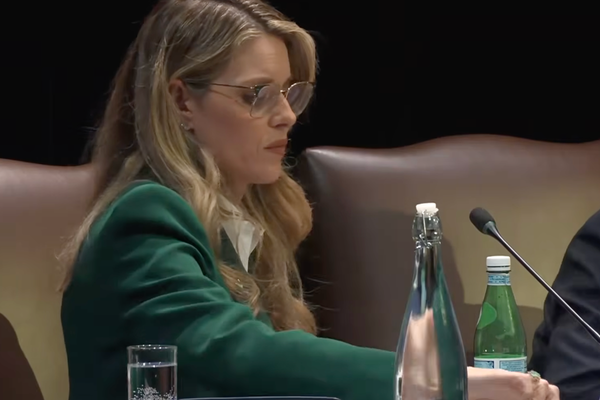
This time round, the hall in Church House was packed and the shadow business secretary, Rebecca Long-Bailey, was quick to point out the significance in her introduction. “I give you the next chancellor of the exchequer,” she said.
Somewhere in Westminster, Michael Gove was feeling a bit put out as he was under the impression he was going to be the next chancellor. Never mind that he was almost totally innumerate; he had spent the best part of a morning mugging up on long economicky words like “tax” and reckoned he deserved a promotion when the prime minister finally got round to sacking Freewheelin’ Phil. Having a safe pair of hands in charge of the economy hadn’t done much to help, so why not take a punt on an unsafe pair?
McDonnell sauntered on to the stage, looking relaxed. There had been a time when he felt a bit of a fraud presenting himself as a credible chancellor, but now he felt entirely comfortable. Far from being the lone Trot intent on bringing down capitalism, he was now a fully paid-up member of the political establishment. The Institute for Fiscal Studies and a large number of Tory MPs now agreed with his analysis that austerity economics had failed and state investment in public services was needed. Even big business had started cosying up to him for reassurance. Cometh the hour …
“Good morning everyone,” he said, cheerily. Though that was the last cheery thing he had to say, as the shadow chancellor is never happier than when he is being gloomy. He’d racked his brains and he couldn’t come up with anything the present government had done well. People were dying because of underfunding in the NHS but the only lives next week’s Tory budget would be interested in saving were those of Theresa May and Freewheelin’ Phil.
Austerity. What was it good for? Absolutely nothing. Say it again. So he did. Austerity was destroying schools. Funding per pupil was now at a record low. Local authorities were at breaking point. Productivity was almost at a standstill. Benefit cuts were pushing more and more families into poverty. Dogs were dying in the street. Sausage rolls were being forced to get work as baby Jesus impersonators for advent calendars.
On and on it went. One catastrophe after another. McDonnell’s tone remained steadfastly unanimated. Like a news anchor reading a list of casualties. The more catatonic his audience became, the more cheerful he looked. Though in a funereal kind of way, obviously. Just as the first person booked their Dignitas flight to Zurich, the shadow chancellor remembered he was supposed to be offering an alternative to this dystopian vision.
Don’t worry, he said. It would be fine. A Labour government would invest in public services and infrastructure projects. It would build homes for anyone who wanted one. The money would come from somewhere or other. It was all costed. Near enough. In any case, Labour couldn’t make a worse job of the economy than the Tories had over the past seven years. Put like that …
“Now I’ll take some questions,” McDonnell said, his face springing back to life as he reached the end. The experience of delivering his speech had been every bit as draining as that of listening to it. The first person he turned to appeared to have nodded off and needed prodding back into life. What about planning for a no-deal Brexit? No need, as Labour would be sure to negotiate a great deal.
What about a wealth tax? McDonnell looked bemused. How could people even think that? What kind of chancellor did they take him to be? He was Mr Nice Guy. The Man with a Plan. The Tories have set the bar so low that he sounded entirely plausible.
• John Crace’s new book, I, Maybot, is published by Guardian Faber. To order a copy for £6.99, saving £3 on RRP,go to guardianbookshop.com or call 0330 333 6846. Free UK p&p over £10, online orders only. Phone orders minimum p&p of £1.99.