Comeback contenders: The species being reintroduced to the British countryside
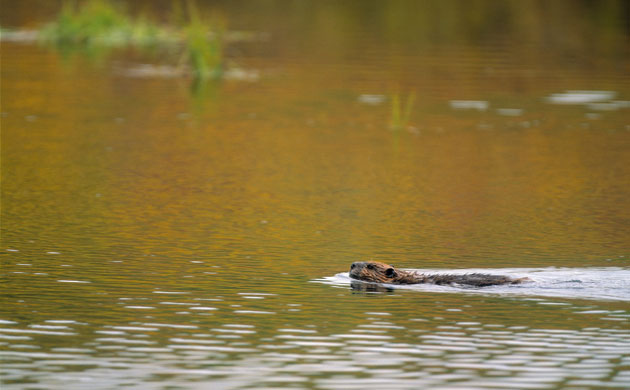
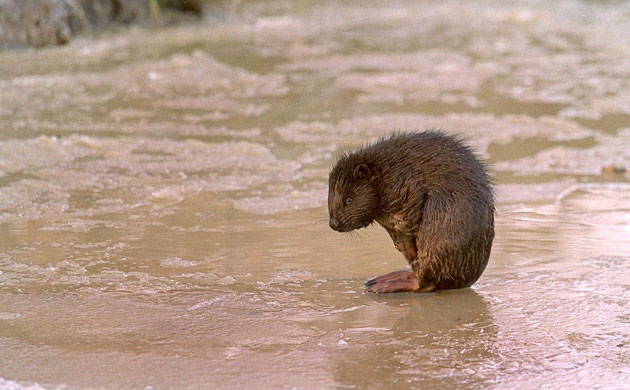
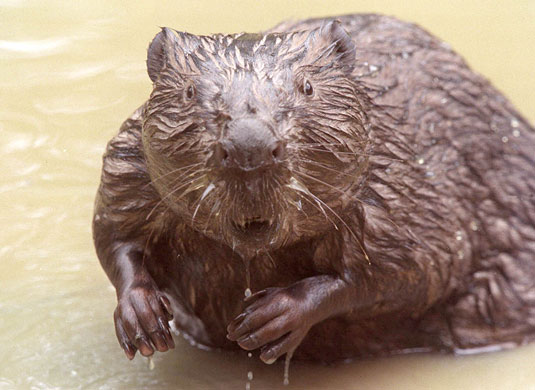
A beaver swimming in a Scottish river. Beavers were hunted to extinction in the UK by the end of the 16th century for their fur, glands for medicine and because their building of dams interfered with other land uses Photograph: A.Good/Rex FeaturesProposals to reintroduce this famous wetland engineer to Knapdale Forest in Scotland began in 1994. This was turned down in 2002 and again in 2005. A licence was granted in 2007 and the first beavers to return to Scotland for 400 years will be released this spring. Other proposals for reintroduction in England and Wales are being consideredPhotograph: Lewis Durham/Rex FearturesThe first beavers arrive in Scotland for the reintroduction programme that has started at a secret location. The beavers have all been electronically taggedPhotograph: Kent News & Picture/Corbis
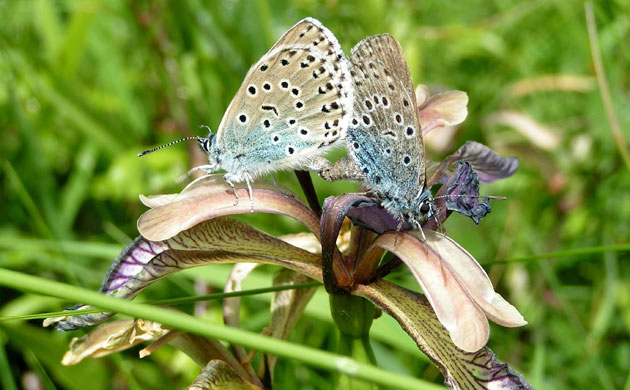
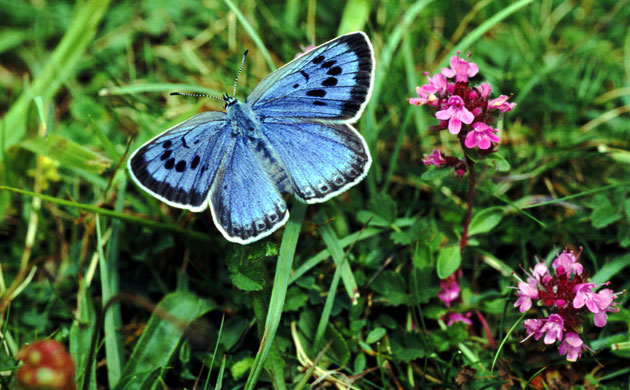
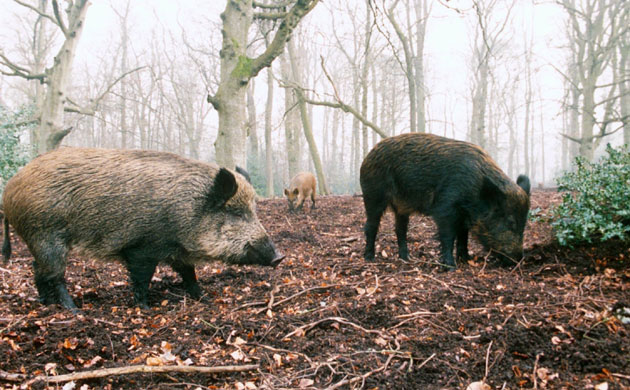
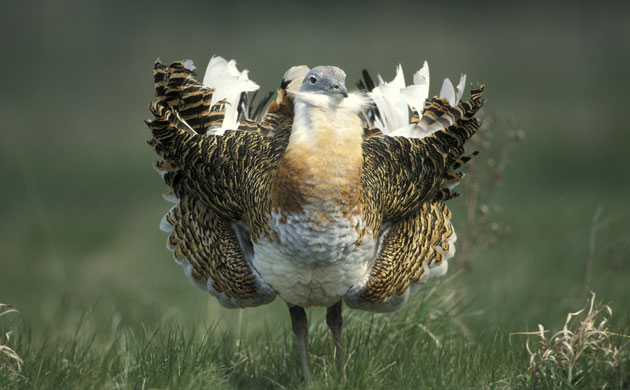
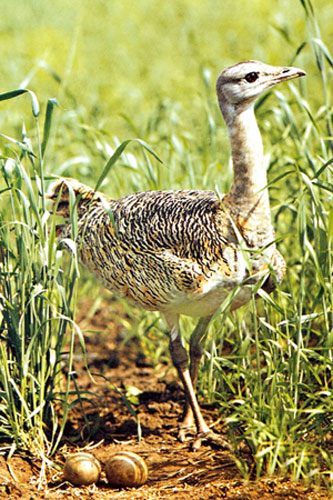
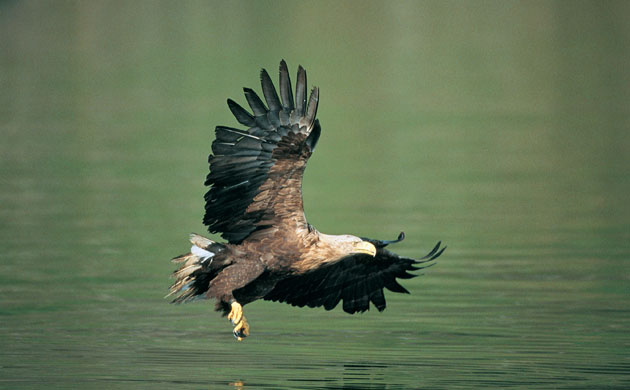
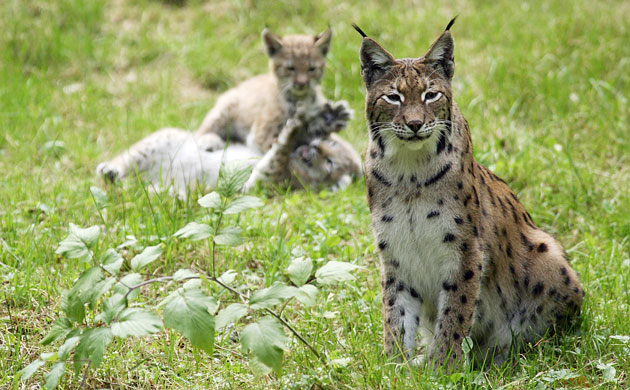
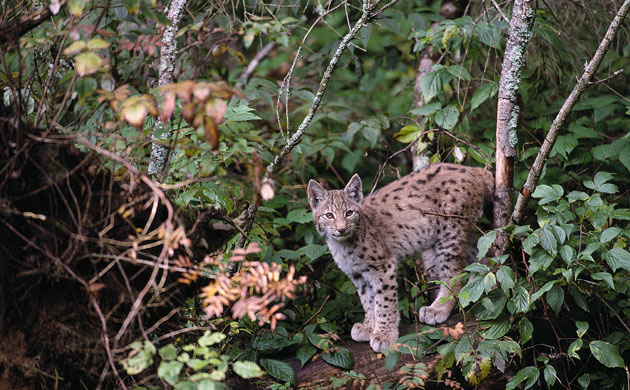
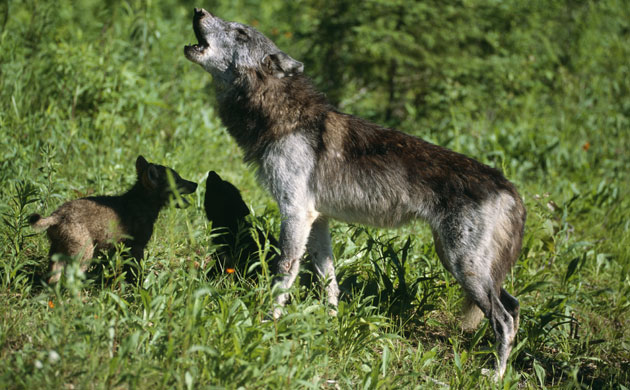
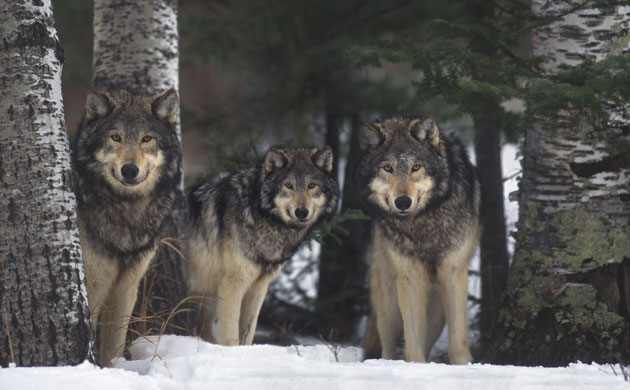
The large blue butterfly became extinct in the UK in 1975 but was reintroduced to Dartmoor in 2000 from Sweden. This is one of the most vulnerable butterflies in the world. It lays its eggs on wild thyme, then the caterpillars are adopted by red ants who take them into their nests, where the butterfly caterpillars become predators of ant grubs before pupating and emerging as spectacularly bright blue adultsPhotograph: Emma Daniel/PAThe precise time when the butterfly can be seen depends to a great extent on the weather, but the main flight period is from mid-June to early July each yearPhotograph: David Tipling/NPL/Rex FeaturesAfter an absence of 400 years, wild boar have reintroduced themselves by escaping from boar farms damaged by the 1987 storm. There are now populations in south-east England and the Forest of DeanPhotograph: Solent News/Rex FeaturesA male great bustard makes a courtship display. Great bustards disappeared from the UK in 1832 after game shooters made it extinct. This emblem of Wiltshire and the heaviest flying bird in the world (it can weigh up to 20kg) was reintroduced to Salisbury Plain in 2004, with eggs rescued from farmland in Russia. Great bustards need open grassland and arable fields where they feed on grasshoppers and cereal seedsPhotograph: Erich Kuchling/Rex FeaturesPictured here is the first female great bustard to lay eggs in Britain in 175 yearsPhotograph: HO/AFPA white-tailed eagle seen in Scotland. In 1700 there were 200 pairs but by 1916 this huge bird, sometimes called the sea eagle, became extinct after persecution in the UK. It was reintroduced to Scotland from Scandinavia in 1975 and there are now 42 breeding territories there. A feasibility study is being carried out on proposals to reintroduce it to East AngliaPhotograph: RSPBA Eurasian lynx mother sits in the grass while her two pups play in their outdoor enclosure in Germany. This secretive, powerful cat with tufted ears and a short tail weighing 25kg survived in Britain until 180AD. The Eurasian lynx is the most likely mammal predator candidate for reintroduction, although many say it is already established in some areasPhotograph: Ronald Wittek/CorbisIt is estimated that the Scottish highlands could support a population of 400 lynx, where they would control roe deer and foxesPhotograph: Fritz Polking/CorbisThe last wolf in the UK was killed in Scotland in the 17th century. According to recent population modelling if wolves were reintroduced to Scotland, their population would stabilise at 25 wolves per 1,000 square kilometresPhotograph: Robert Pickett/PickettAlthough wolf populations would have an impact on the high red deer population, experience in other countries shows the wider effect would be to regenerate vegetation and woodland, benefiting wildlife and helping to restore ecosystemsPhotograph: Corbis
Sign up to read this article
Read news from 100’s of titles, curated specifically for you.