Under scrutiny from both the Department of Justice and the Federal Trade Commission, Comcast fired back at critics of its proposed merger with Time Warner Cable on Wednesday.
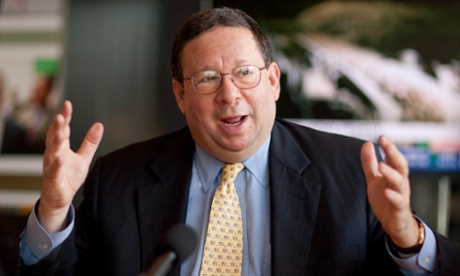
In a blog post titled Setting the Record Straight, David Cohen, the company’s executive vice-president, batted off critics of Comcast’s Internet Essentials program, which is designed to foster broadband adoption among low-income families.
The program was created after Comcast’s last mega-merger and has come under fire in Comcast’s hometown of Philadelphia. The success – or otherwise – of the scheme is particularly important as regulators are reportedly looking at the cable company’s past behavior and considering new conditions for the Time Warner deal.
Critics have “recycled old claims using inaccurate information”, wrote Cohen.
“And while it may be easy for critics to do this from the sidelines, we would rather try, in the spirit of president Kennedy, to light a candle than to curse the darkness. The reality is that Internet Essentials has been one of the most successful, if not the most successful, private sector initiatives to close the digital divide ever,” wrote Cohen.
The initiative was to be commended, and “claims that the sign-up process is long and cumbersome are untrue”, said Cohen.
Cohen accused “critics and business interests that want to take shots at the program” of “sniping at cross purposes to run down what has been done”.
Internet Essentials is a vital part of the discussion around whether Comcast acted in good faith during and after its most recent merger, with entertainment conglomerate NBCUniversal in 2011, and thus a crucial component the decision of whether to allow another, even larger transaction.
“Internet Essentials was introduced as a deal-sweetener during Comcast’s takeover of NBCUniversal,” said Tim Karr, senior director of strategy for internet rights lobby group Free Press. “It wasn’t something they did out of the goodness of their hearts, it was a political move designed to get the government to approve that merger.”
Comcast has kicked its lobbying activities into high gear, spending $4.62m on lobbying in the first quarter of the year. “In the wake of news that the Department of Justice has serious doubts about this merger, it seems that Comcast is desperate to put lipstick on this pig,” said Karr.
It’s in the company’s interests to look as charitable as possible at the moment, Karr told the Guardian. “They’re twisting the arms of a lot of the not-for-profit organizations they sponsor, in particular groups in the civil rights sector.”
The 2,900-word post by Cohen ended with quotes from several civil rights organizations that appear to have close financial ties to Comcast, notably the League of United Latin American Citizens, the US Hispanic Chamber of Commerce, and the Washington bureau of the NAACP, among others. Comcast also promised to increase the role of minority groups and employees when it took over NBCUniversal and has since been criticized for paying lip service to that part of the deal.