(Refiles to correct spelling of soldiers in headline)
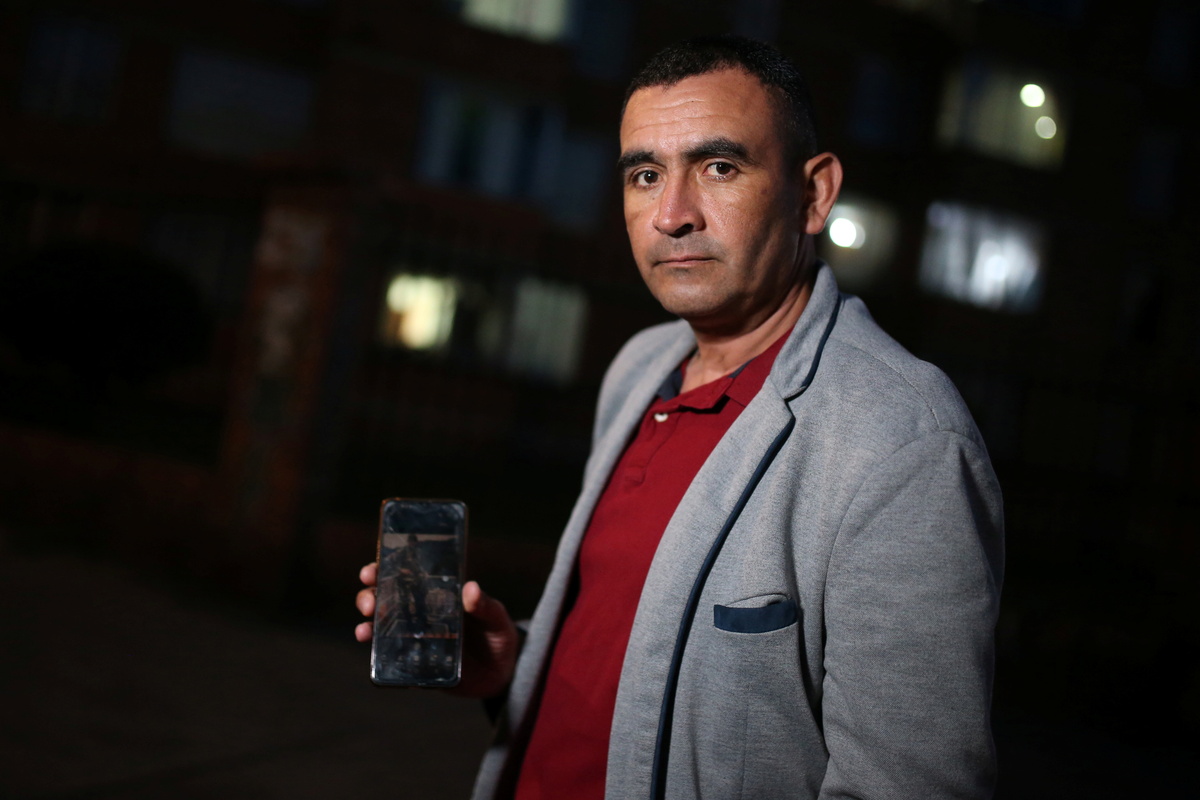
BOGOTA (Reuters) -An ex-soldier recruited to join a group of Colombians accused of involvement in last week's assassination of Haiti's president added his voice to a chorus of family and colleagues who say the men were contracted to provide security, not to kill.

Haitian authorities said President Jovenel Moise was murdered early on Wednesday by foreign, trained assassins: 26 Colombians and two Haitian Americans. Eighteen of the men have been captured, while three others were killed.
Matias Gutierrez, a retired special forces sniper and father of four, would have traveled to Haiti with the group last month if he had not tested positive for COVID-19.
"If I had traveled, I would possibly be involved in the same thing that the commandos there are, unfortunately," Gutierrez told Reuters late on Monday.
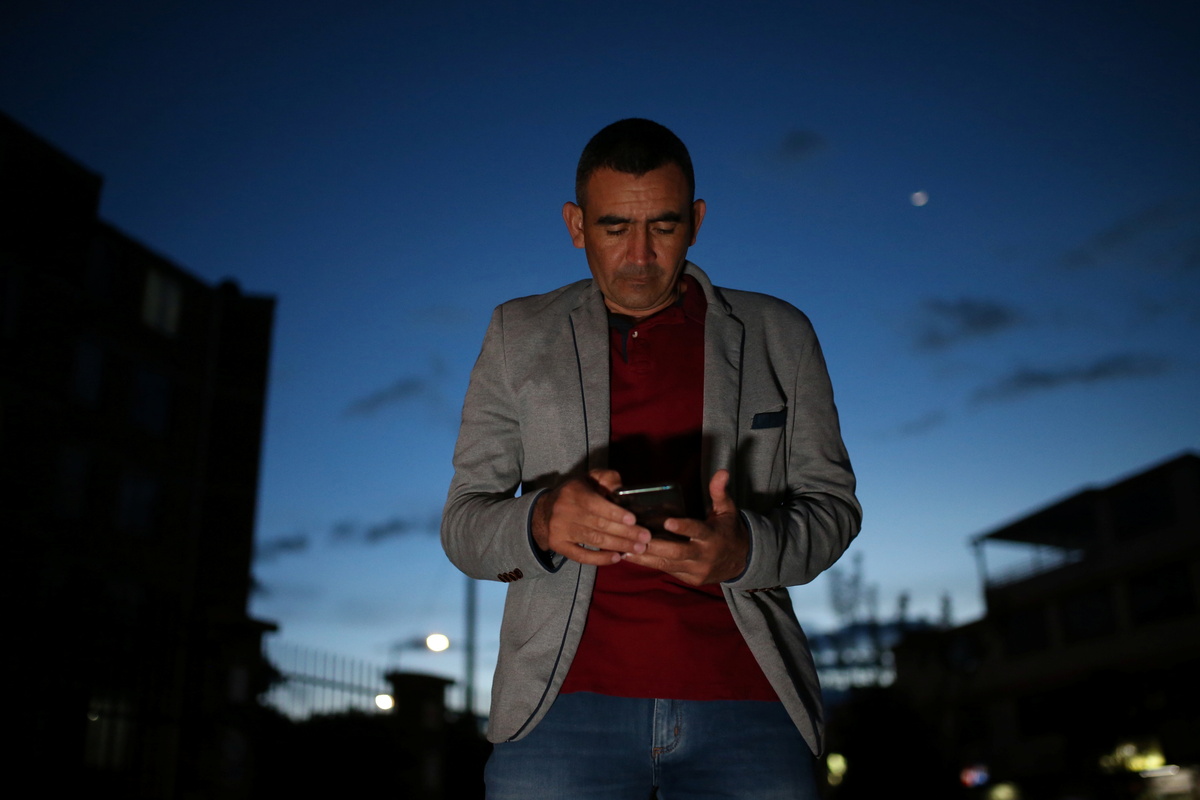
Gutierrez, who now works as a security guard, said he knows the men were not involved in Moise's killing because they are honorable and also well-trained in how to assault a target and then pull back if that had been their actual mission.
"It wasn't our commandos. There has to have been a conspiracy," said Gutierrez. "Their extraction was total chaos. Why? Because they weren't going on an assault, they went in support of a request by the security forces of the president."
Multiple relatives and colleagues of the Colombians have raised doubts over the Haitian authorities' report, saying the men were hired as bodyguards.
Gutierrez showed Reuters the Whatsapp chat where he says discussions about the job took place.
The men were to earn $2,700 a month to help protect Moise, he said, and were assured they would work in concert with Haitian authorities.
That is a princely sum for ex-soldiers like Gutierrez, who spent 21 years in the army, 14 of them in special forces, before retiring in 2015. His retirement payments are just 960,000 pesos (about $250) per month, he said.
"You leave with the hope that you're retired and you can live off the pension, enjoy your family like you couldn't do for 20 years," Gutierrez said.
He and his wife had their fourth child just nine months ago, hoping Gutierrez could finally be the father he longed to be for his older children.
"I didn't see my kids grow up," he added. "They never saw me at home because I was always out in the country, in the combat area."
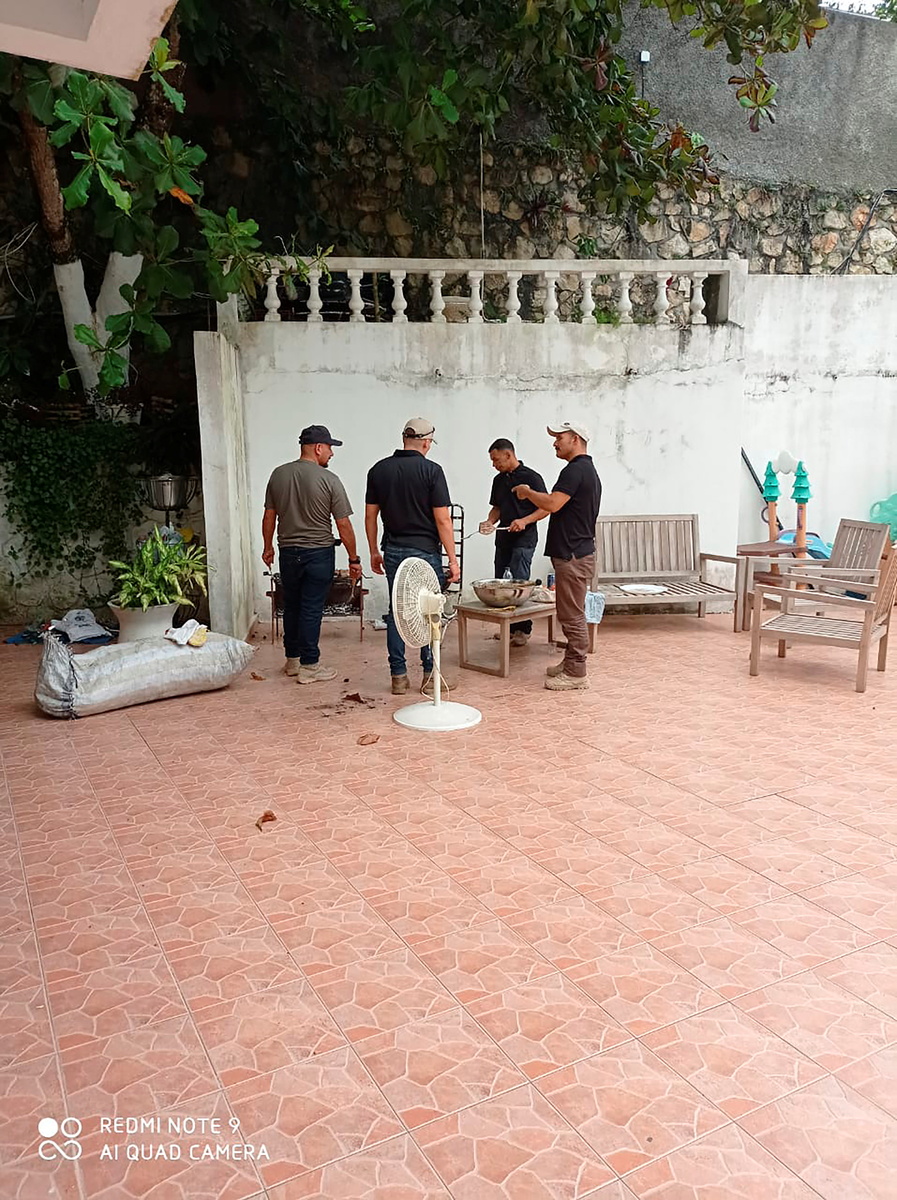
Gutierrez said he chatted to some of the men when they first arrived in Haiti. They told him things were going well and they were staying in a house close to the presidential palace.
(Reporting by Julia Symmes Cobb; Editing by David Gregorio)