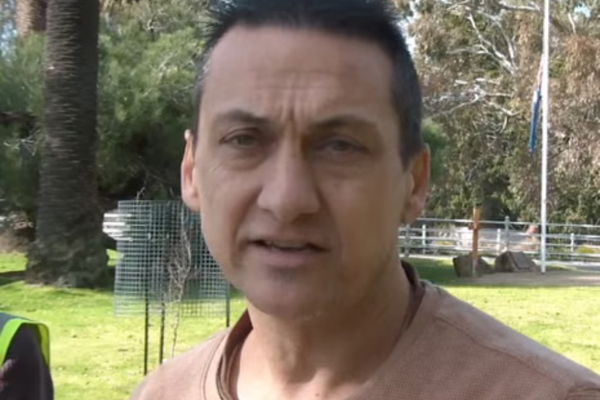
BOGOTA, Colombia _ Cesar Rojas, the mayor of the Colombian border town of Cucuta, has grown accustomed to his city being Venezuela's punching bag.
In recent months, Caracas has accused the low-slung town of about 600,000 of being a hub for paramilitary gangs and a hotbed of conspiracies and plots aimed at destroying the socialist revolution.
But Rojas said it's his town that's under attack, particularly this week. In recent days, Caracas announced that it was eliminating its largest denomination bill, the 100 bolivar note, and giving people until Thursday to trade in their currency.
But in addition, Venezuela unilaterally, and without warning, closed its 1,274-mile frontier with Colombia for 72 hours _ freezing out bolivar-holders on this side of the border.
In Cucuta, where border trade is the lifeblood and many stores accept Venezuelan currency, the move is tantamount to economic warfare, Rojas said.
"Just a few months ago Venezuela was accusing us of being paramilitaries," he said. "Now they're attacking us again, but it's nothing but a smokescreen."
Venezuelan President Nicolas Maduro said the drastic measures are intended to punish "mafias" and currency speculators in Cucuta, whom he accused of hoarding more than 300 million bolivares as part of a scheme to destabilize Venezuela's economy.
On Wednesday, banks in Caracas were seeing long lines of people trying to turn in their notes, and local media said many stores in Venezuela were no longer accepting 100 bolivar bills (about 15 cents).
After the note becomes defunct, holders will have an additional 10 days to trade in their bills at the offices of the Central Bank. But Central Bank President Nelson Merentes warned that not everyone will be welcome.
Speaking about the shadowy forces along the border, Merentes said banks would not accept money from those holding large quantities of bills that they couldn't explain.
"They can hold onto them as keepsakes," Merentes suggested for those caught with the worthless paper.
The bolivar freeze is a blow to Cucuta, which has become an escape valve for Venezuelans seeking food, medicine and other goods that are scarce on their side of the border. Colombian immigration authorities estimate that about 60,000 Venezuelans a day enter Colombia _ the vast majority through Cucuta and most to do shopping.
Rojas said he's been holding emergency meetings with merchant groups and the association of currency traders to respond to the crisis. However, he said he believes they will weather the storm. Local merchants are used to being burned by erratic Venezuelan policies, he said, so they've tried to limit their daily exposure to Venezuela's currency.
"In a way, the businesses in Cucuta were prepared for this surprise," he said. "The people who were really hurt were the Venezuelans who had crossed the border to do shopping and got trapped here, and now no one will accept their money."
For decades, trade between the nations has thrived, as trucks laden with Colombian coal and textiles headed into Venezuela, and beef and grains flowed out.
But on Aug. 19, 2015, Maduro closed the border for almost a year as he blamed Colombian "paramilitary groups" for attacking guards. He also said the closures were needed to keep his country's subsidized goods (including cooking oil, flour and gasoline) from being smuggled into Colombia and sold at a profit.
Maduro has long blamed the shortages of basic goods on Colombian smugglers. Likewise, he's also blaming Venezuela's rapidly devaluing currency and skyrocketing inflation on Colombian currency manipulators.
During those long months of turmoil, Cucuta's businesses have had to retool and begin trading with other countries in South America _ and even Central America _ rather than their neighbors just a few miles away, Rojas said.
"We've had to look for alternatives," he explained.
And he hopes Venezuela's lingering crisis might create other opportunities for his community.
"There are so many Venezuelan industrialists who want to flee the violence of the country," Rojas said. "We'd like for them to move here to Cucuta."