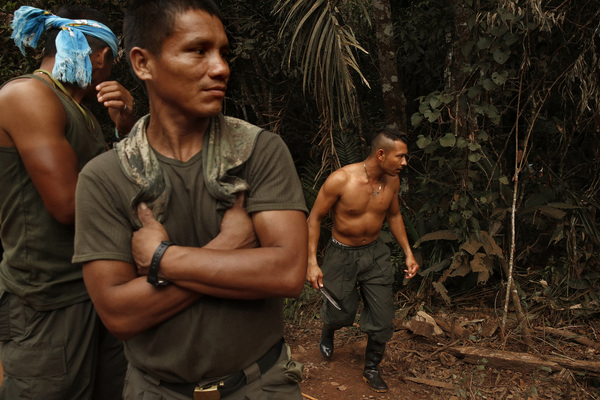
YARI PLAINS, Colombia _ After more than five decades of civil war, Colombia's armed guerrillas were preparing for peace.
Big-name bands from Bogota descended on a remote stretch of rebel-held savanna, where the rebels had erected a big stage. Hundreds of arriving journalists were greeted not with rifles drawn, but by a public relations team of smiling female guerrillas. Instead of combat fatigues, they wore linen blouses. Instead of guns, they carried MacBooks.
The Revolutionary Armed Forces of Colombia, known as the FARC, is rebranding.
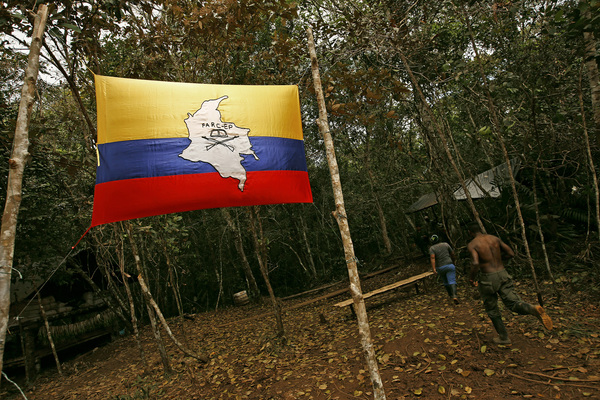
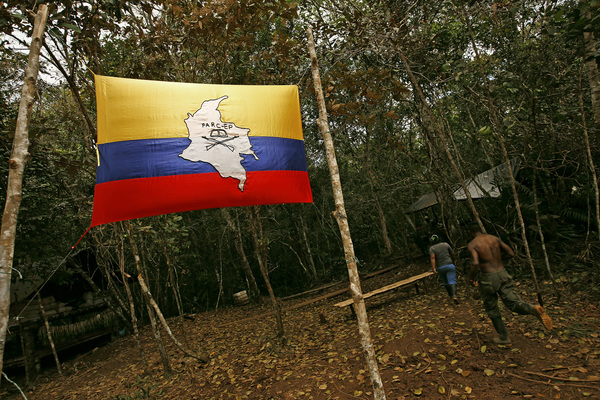
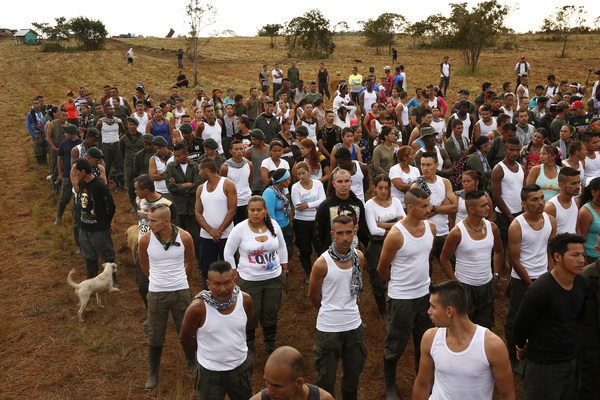
Monday, its leaders are scheduled to sign a peace agreement, under which an estimated 7,000 peasant fighters would give up their weapons and restart life as civilians. The FARC gathering earlier this month _ seven days on rebel-held territory in the lush Yari Plains _ was a chance for the group to plot its political future and unveil a kinder public face.
The conference, held with logistical support from the Colombian government, was at times a raucous celebration of the prospect of peace, with epic nightly concerts for guerrillas who have spent years in the jungle far from civilization and who have lost limbs, lovers and friends over decades of war.
It was also a time of intense emotion as some of them reunited with long-separated relatives, and others contemplated their transition back into the workforce and families and homes.

And it was calculated media event, with news conferences twice a day, expansive dormitories for journalists and an intermittent Internet signal provided by a company called Amazon Connections.
Each day, while rebel leaders met privately, a group of specially chosen young guerrillas gave interviews and posed for photographs while bathing in shady rivers and resting in small wooden huts.
"We want you to know the truth," said a 30-year-old fighter named Andres, who joined the group four years ago, and who like many guerrillas would give only his wartime moniker and no last name. "Other people have painted us badly. There's a good part of Colombia that doesn't understand who we are and why we've been fighting."

There's no question that the FARC's image is in need of a makeover.
The peace agreement announced in Havana last month calls for a six-month disarmament process as the rebel group seeks to reinvent itself as a far-left political party. But winning elections requires popular support, and many war-wary Colombians associate the FARC with kidnappings, disappearances and other aspects of a violent epoch they would like to move past.
And there is a more pressing concern: The peace deal is contingent on approval in a countrywide plebiscite Oct. 2. While the latest polls show a majority of Colombians support the deal, popular ex-President Alvaro Uribe is mounting an aggressive campaign to kill it.
Uribe and others argue that the guerrillas do not deserve forgiveness, and question whether the militants are sincere about their plans to give up the extortion schemes and involvement in the cocaine trade that is rumored to have made some of their leaders rich.
The guerrillas say they are committed to the terms of the peace agreement as long as the Colombian government follows through with its promise of amnesty for all except those accused of war crimes.
According to the peace deal, demobilized guerrillas will be eligible for a monthly government stipend for two years as well as one-time cash payments of more than $2,000 to start businesses.
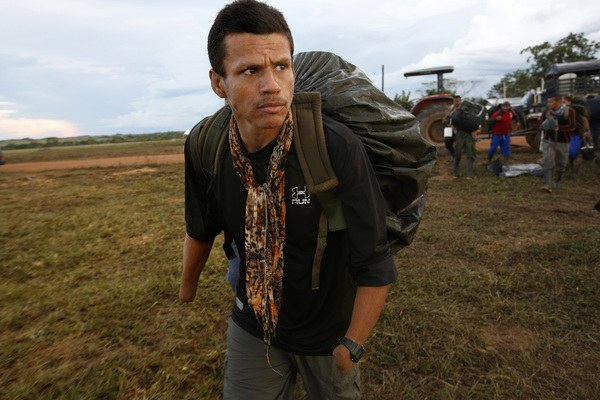
The FARC says some former fighters may continue living together in small rural collectives to organize political campaigns. Others may leave the jungle and their comrades to enroll in school, have children, or return to families they haven't seen or spoken to in years.
Reunions will not be easy. The conflict sometimes pitted guerrillas against their own relatives, with rebel leaders instructing young fighters to forget blood ties and be prepared to kill.
"They haven't heard from me in many years," Andres said of his family. "My mother probably thinks I'm dead."
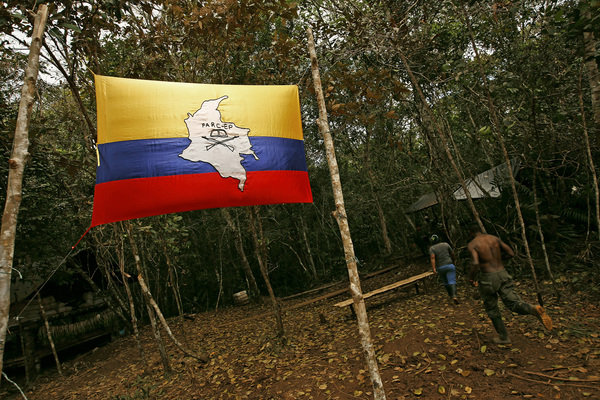
Wandering the rambling conference site were mothers looking for their sons who had joined the group. There was also at least one son who came looking for his mother, a 36-year-old guerrilla named Tatiyana.
She left him to be raised by her brother shortly after birth. The FARC discouraged its members from having children.
Now 16, the boy arrived with his uncle, who saw the conference as a safe opportunity for him to meet his mother.
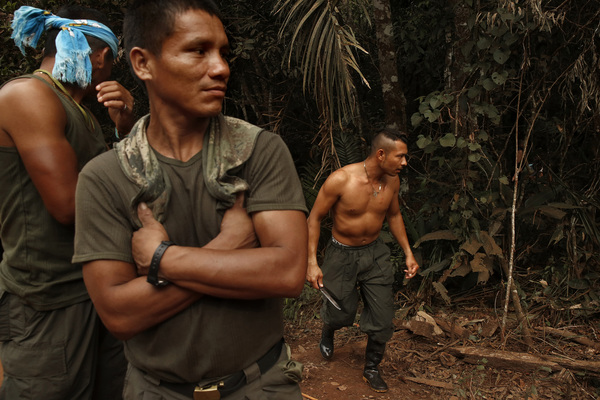
Hours after the boy left to return home, Tatiyana was still quivering. "Difficult doesn't begin to describe it," she said. "He is young and still doesn't understand why I did what I did."