As we approach 2024, the landscape of college sports is undergoing a significant transformation, marking the end of the era of amateur athletes. The traditional notion of student-athletes playing solely for pride, scholarships, and nominal compensation has long been eroding. The influx of millions, now billions, into college athletics, particularly through football and basketball, has accelerated this shift.
The Supreme Court's 2021 decision paved the way for college players to profit from their name, image, and likeness (NIL) through various endorsements and promotions. This landmark ruling, coupled with the impending $2.8 billion lawsuit settlement, signifies a definitive departure from the amateur model.
The evolving landscape of college sports is characterized by a patchwork of state laws, school regulations, and league policies rather than a unified governing body. The impending settlement will enable players to receive direct compensation from their schools, a departure from the current system of third-party collectives.
While the move towards compensating college athletes is widely supported, disparities in earnings are evident. High-profile recruits like Bryce Underwood and A.J. Dybantsa command substantial sums, but many players, such as Matthew Sluka and Beau Pribula, face uncertainties and financial challenges.
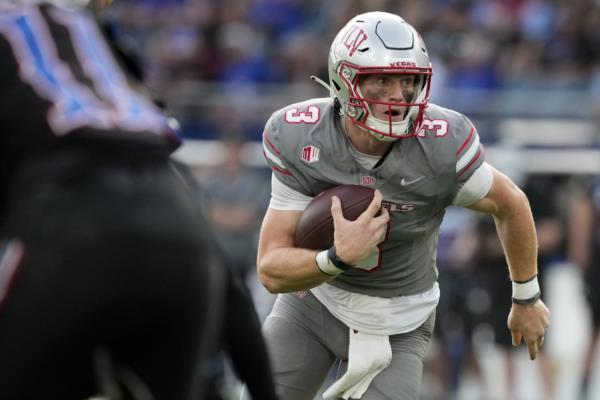
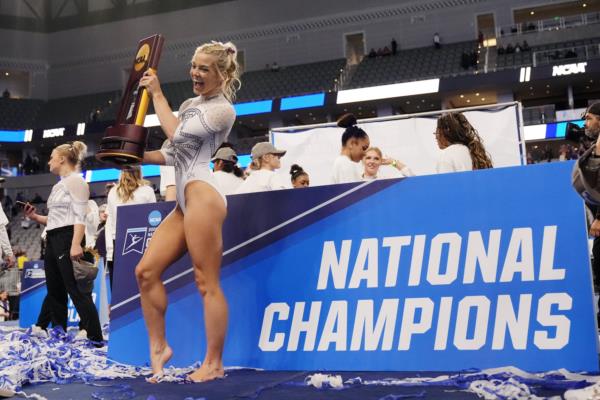
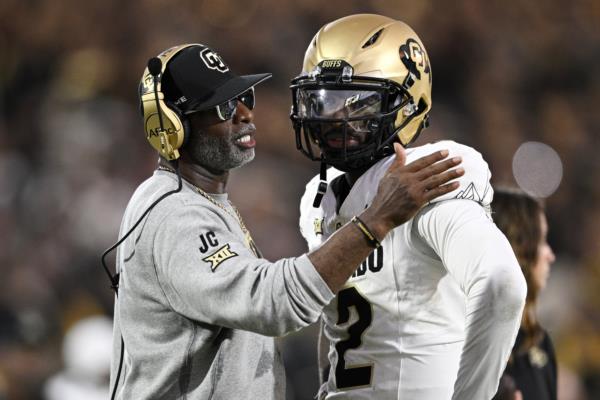
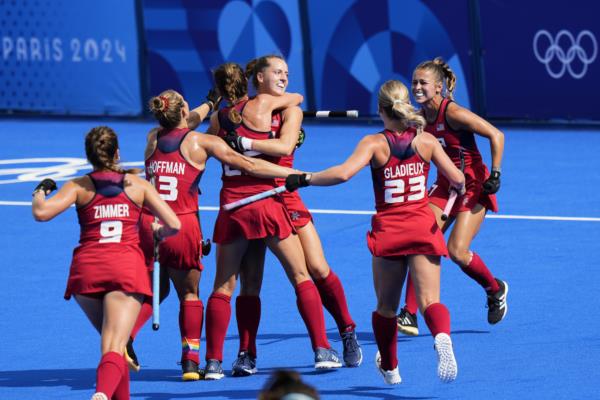
The shift towards a more professional model raises concerns about the future of non-revenue sports and the potential impact on Olympic programs. The financial implications of compensating players may lead to budget cuts and increased financial burdens on fans.
Despite these changes, the essence of college sports remains a topic of debate. The transition mirrors the evolution seen in the Olympics in the 1980s, where the amateur facade gave way to professionalism. Athletes are advocating for greater transparency and representation in a system still largely controlled by universities.
As college sports navigate this transformative period, the future remains uncertain. Radical changes, including the potential redefinition of the student-athlete experience, could reshape the landscape further. The ongoing dialogue underscores the complex interplay between tradition, commercialization, and the evolving expectations of athletes and fans alike.