
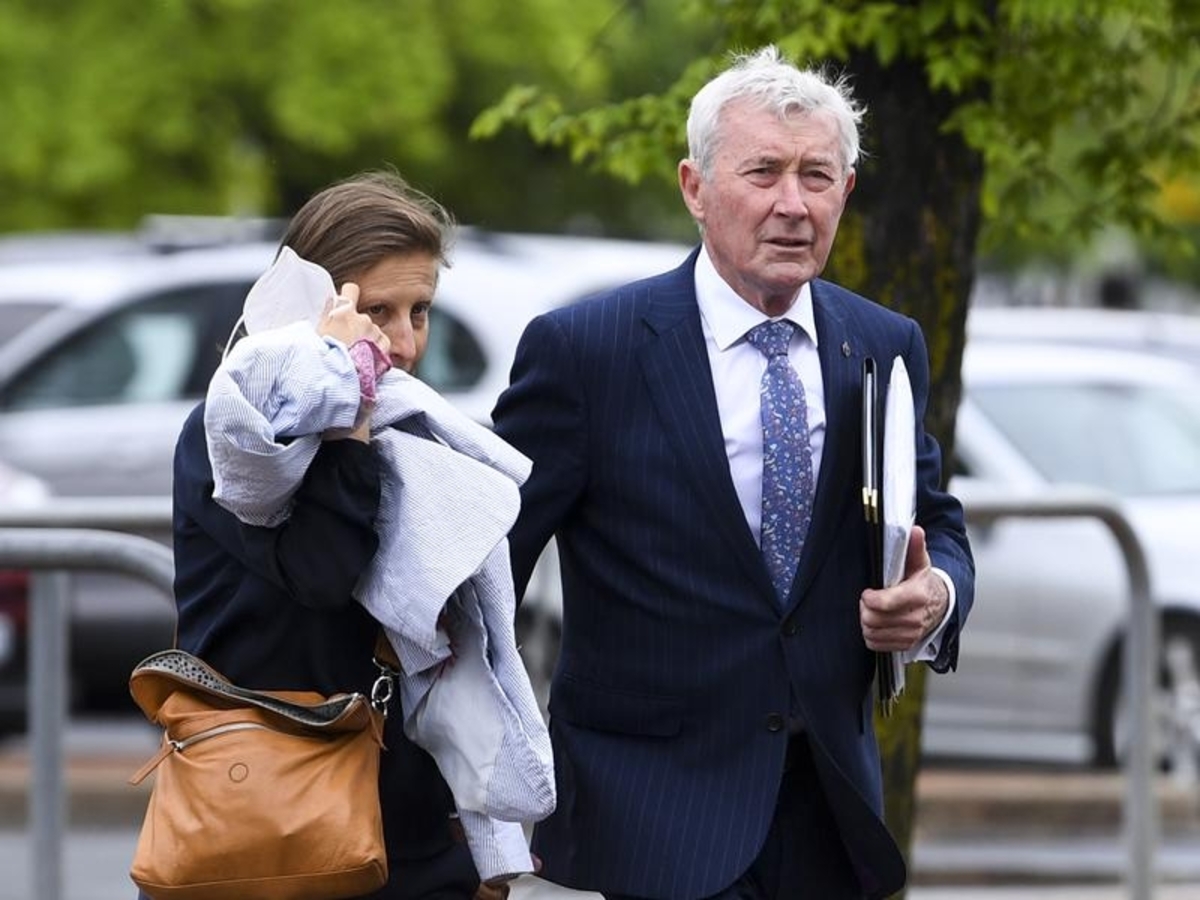
A move by the federal attorney-general to further delay the case of Bernard Collaery has been branded as "rather unusual" by the ACT's chief justice.
Helen Murrell was expected to hand down her judgment on Friday morning detailing why she decided to deny a secret trial for Collaery in the ACT Supreme Court.
The prosecution has been pushing for a closed trial on national security grounds.
Collaery is accused of unlawfully sharing classified information about the alleged bugging operation of the East Timor prime minister by Australian officials in 2004.
The two parties this week were in court, which was subsequently closed to the public, arguing over what sections of the chief justice's judgment should be redacted.
The prosecution will now deliberate about whether it will appeal what Chief Justice Murrell decided to redact from her judgment and have 28 days to notify the court of its decision.
But Chief Justice Murrell urged the prosecution to make its decision "promptly" and notify the court within 24 hours of a decision being made.
She said it was highly unusual to challenge the wording of a single judge ruling.
No interim judgment will be handed down, although a one-page judgment summary was released in early October.
The judgment said the court "doubted that a significant risk of prejudice to national security would materialise".
But it warned public confidence in the justice system could be undermined if the trial was held in secret.
"The court emphasised that the open hearing of criminal trials was important because it deterred political prosecutions," the summary said.
Human Rights Law Centre senior lawyer Kieran Pender criticised the attorney-general for continuing to prolong the trial and seeking to shroud hearings and judgments in secrecy.
"The attorney-general should be introducing long-overdue reform to the Public Interest Disclosure Act, so that whistleblowers are protected, not punished, rather than pursuing more secrecy in this case," he told AAP.


.jpg?w=600)