The Justice Secretary has said he is “frustrated” by a decision made by the Parole Board to release child murderer Colin Pitchfork.
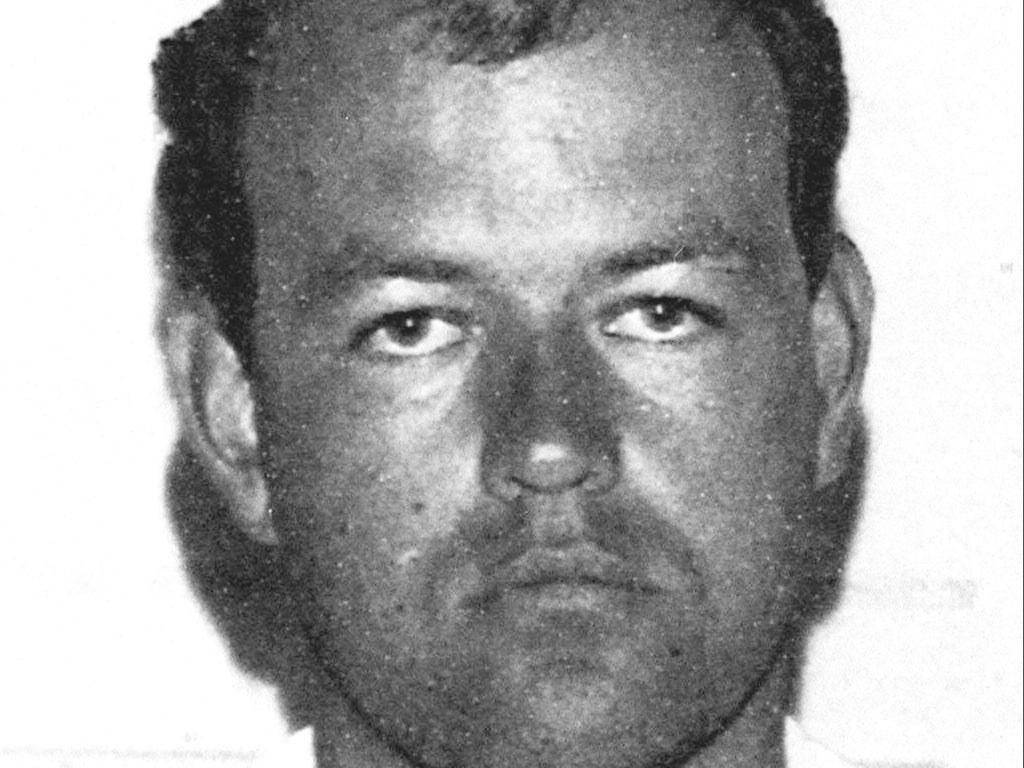
Pitchfork, now in his early 60s, was jailed for life after strangling 15-year-olds Lynda Mann and Dawn Ashworth in Leicestershire in 1983 and 1986.
Following a hearing in March, the Parole Board said he was “suitable for release”, despite being denied parole in 2016 and 2018.
In an opinion piece in theDaily Mail, Robert Buckland confirmed earlier reports that he would ask the board to change the decision.
Mr Buckland said: “My role as Lord Chancellor here is limited. The government cannot overrule the Board’s decisions, but I can ask them to reconsider if it looks like the way they reached a decision was wrong or if it’s out of step with the evidence.
“After careful consideration, I will be doing that with the Pitchfork decision today. And while I can’t control the outcome of that review, we can control the level of supervision he would be given by the Probation Service if released.”
He added that decisions like the one to release Pitchfork had the capacity to “rock public confidence” and that he shared the “frustrations” the public had about the issue.
The reconsideration mechanism introduced in July 2019 allows people to challenge the board’s decision if they believe them to be “procedurally unfair” or “irrational”.
After the application is filed by the Ministry of Justice, the board will have to decide whether its original decision to release Pitchfork can be formally reconsidered. The threshold for reconsideration is high, and the same as is required for a Judicial Review.
In the op-ed, Mr Buckland also pledged to increase recruitment of trainees for the probation service from the normal level of 600 annually to 1,500 this year.
Pitchfork, who was in his 20s at the time of the attacks, became the first man convicted of murder on the basis of DNA evidence and was jailed for life at Leicester Crown Court in 1988.
Pitchfork pleaded guilty to two offences of murder, two of rape, two of indecent assault and one of conspiracy to pervert the course of justice. His minimum term was cut by two years in 2009. He was sentenced to serve a minimum of 30 years.
Although he was denied parole in 2016 and in 2018, Pitchfork was moved to an open prison three years ago.
A document detailing the Parole Board decision said: “After considering the circumstances of his offending, the progress made while in custody and the evidence presented at the hearing, the panel was satisfied that Mr Pitchfork was suitable for release.”
The panel considered more than 1,100 pages of information, victim statements and heard evidence from Pitchfork, as well as his probation officers, police and a psychologist.
Additional reporting by PA