Summer blockbuster checklist: budget-hollowing action sequences – check; trailer-ready quips dripping in smugness – check; source material that renders original ideas irrelevant – check; clumsily open endings allowing for sequels, reboots, remakes and an expanded universe – check; forced romance culminating in a kiss, usually, carelessly, during a life-threatening situation – ermmm ...
While previous summer seasons have ticked all of the boxes with dull precision, this year has been notably absent of one key element: romance.
In Mad Max: Fury Road, Tom Hardy and Charlize Theron were too busy duffing each other up; in Mission: Impossible – Rogue Nation, Tom Cruise and Rebecca Ferguson ended their working relationship with a handshake; in Fantastic Four, Miles Teller and Kate Mara kept their flirtation to a brief glance or two; in Spy, Melissa McCarthy’s crush on Jude Law remained unrequited and in Avengers: Age of Ultron, fear over Mark Ruffalo’s potential predilection for angry sex rendered nights in with Scarlett Johansson a frightening impossibility.
If you were looking for a side order of swoon with your stunts, you’ll have left the cinema in a curiously unaroused state. Even the films featuring a small glimmer of romance have been a cold shower in comparison to previous summers (barely there subplots from Ant-Man and Terminator Genisys and an underwritten dynamic in Jurassic World).
This summer didn’t even offer up an action-centric romance in the vein of Knight and Day, Mr & Mrs Smith, This Means War or The Tourist. Which, yes, isn’t exactly a bad thing but it helped to make for a curiously asexual season at the cinema.
An injection of romance into a special effects-heavy blockbuster was typically seen as a way of appealing to the stereotypical idea of the female viewer who would be completely bored by any plot that didn’t involve kissing (women, eh?). But this shift towards the construction of a crowd-pleaser that doesn’t feel the need to crowbar in a superfluous love story implies that Hollywood is heading for a more balanced playing field.

This year’s crop has blessed female characters with the ability to be seen as more than passive love interests. Rebecca Ferguson’s role in Mission: Impossible – Rogue Nation gave her the opportunity to fight, double-cross and even save Tom Cruise from near death and yet, for the first time in an Ethan Hunt adventure, there wasn’t a shred of romance. In a film that was largely forgettable, the briskly efficient working relationship between the pair was a refreshing change.
Charlize Theron was inarguably the driving force, quite literally, behind the action in Mad Max: Fury Road, with Tom Hardy merely along for the ride, a smart and daring subversion of the franchise-associated expectations. Her motivation (to save a band of oppressed women) was paramount above all else and again, her male co-star was a colleague of sorts, rather than a love interest.
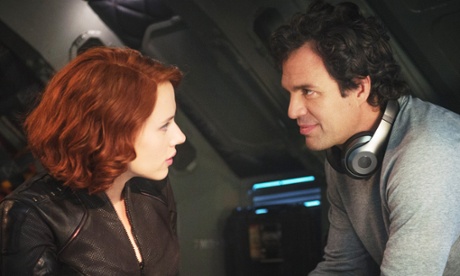
The romantic disinterest in the Avengers series was parodied in this year’s Age of Ultron with a brewing frisson between Scarlett Johansson’s Black Widow and Mark Ruffalo’s Hulk made futile by the pair’s inability to consummate. The reason? Fear over his superpower, aka the more important focus of the film, getting in the way. Again, business trumps pleasure.
George Clooney’s sci-fi flop Tomorrowland might have been largely tiresome but it did manage to avoid lazily pairing lead Britt Robertson with someone to smooch. Co-writer Damon Lindelof spoke about the decision to avoid this cliche.
“If you have a female lead, people suddenly go, ‘Oh, there has to be a romantic entanglement’,” he told Vulture. “So Brad [Bird] and I thought, What if she doesn’t get distracted by romantic entanglements? What if her ‘romance’ is with the future? It’ll be nice in 10 or 15 years for this not to be a thing anymore.”
Maybe we’re almost there? The monstrous success of The Hunger Games franchise ($2.3bn and counting at the worldwide box office) taught Hollywood an important lesson: love isn’t all you need. While Jennifer Lawrence’s Katniss did find herself in a boy triangle of sorts, it was so superfluous to her main objective, that it barely registered at all. Her priority is freeing the people, not falling in love and the fact that this could then be a profitable dynamic for studio Lionsgate sends a message to the industry.
The terse, down-to-business relationships at the heart of this summer’s films aren’t necessarily reflective of the industry at large (this spring’s hits: the desperately archaic Cinderella and worryingly sexist Fifty Shades of Grey prove that) but it’s a beacon of hope in a season lacking in originality. That’s not to say there isn’t a place for romance (last summer’s Guardians of the Galaxy excelled by ensuring that Zoe Saldana was as integral to the plot as Chris Pratt) but forcing a ring on it, just to tick a box, is hopefully becoming a thing of the past.
At least until the next reboot ...