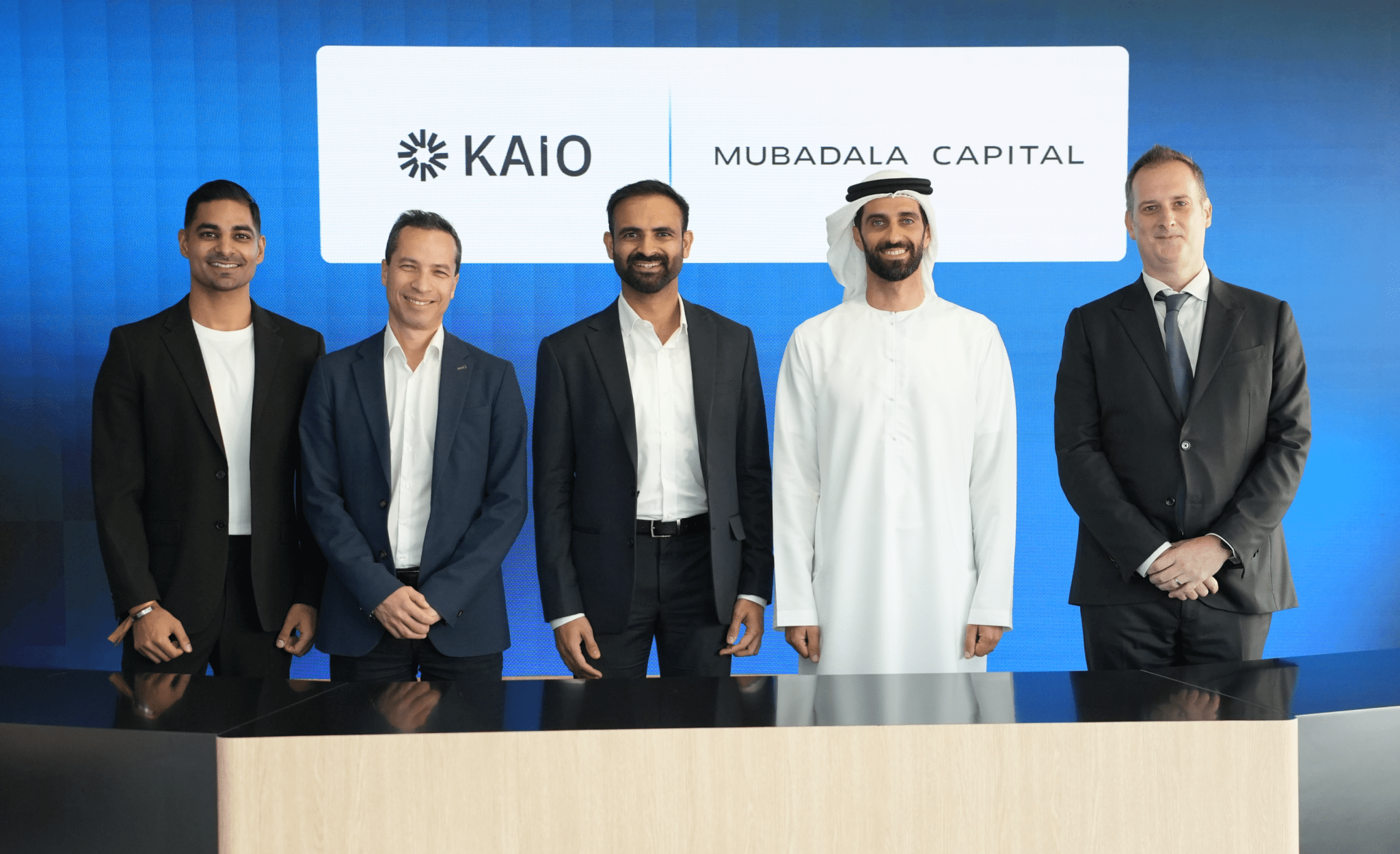
Tokenization, or the process of turning stocks and other real world assets into digital tokens, is fast bridging the worlds of crypto and mainstream finance, and now sovereign wealth funds want in on the action. On Thursday, the Abu Dhabi-owned fund Mubadala Capital announced a partnership with Coinbase and infrastructure provider KAIO to offer a blockchain-native version of Mubadala’s evergreen private markets fund as a regulated token to qualified investors.
Coinbase will use its Base blockchain as one of the networks the token runs on. It will also buy the token itself, which will result in the company adding Mubadala’s fund as one of the investments on its balance sheet. According to the partners, this represents the first time a major U.S. publicly listed company has used regulated tokenized assets for native on-chain treasury management. KAIO will supply the infrastructure needed to turn Mubadala’s fund into a compliant token that eligible buyers can actually hold.
For Mubadala, which is one of Abu Dhabi’s biggest state-owned funds with nearly $400 billion in assets under management, the tokenization launch will serve to expand its potential pool of investors. Until now, investors have primarily come from big-ticket private equity, but KAIO’s CEO, Shrey Rastogi, says that is poised to change.
“These are generally deals that are private, hard to access for most retail investors —or even individual investors— without having a relationship with a large private bank,” he told Fortune.
Tokenized stocks have helped cement crypto’s foothold on Wall Street over the past year. Their market capitalization grew about 600%, reaching roughly $1.7 billion at the end of June, according to a recent report by venture firm a16z crypto. Over that period, the mix of tokenized assets broadened beyond crypto‑linked products into a wider set of U.S. equities, including exchange-traded funds and AI-related stocks, as firms like Coinbase, Robinhood, Binance, and the NYSE’s Intercontinental Exchange launched tokenization initiatives. Until now though, the tokenization story has centered on brokers and platforms, not sovereign wealth funds.
Tokenized access
Mubadala has historically operated a long‑running investment pool that buys stakes in companies and loans that don’t trade on public stock markets.
In distributing its new tokenized version of the fund, Mubadala will rely on Coinbase’s Base network, but also the Solana and Sui blockchains. As for the infrastructure firm KAIO, its users include protocol treasuries, asset managers, and family offices.
So far, KAIO’s tokenization strategy for the Mubadala fund has drawn about $75 million in capital from a mix of traditional and crypto‑native allocators. KAIO, which already supports tokenized funds from BlackRock, Brevan Howard, Hamilton Lane and Laser Digital, is touting the Mubadala tie-up as its flagship sovereign‑wealth partnership. To access the product, investors must go through a licensed fund administrator, complete onboarding offchain, and then receive an on-chain profile that controls which products they’re allowed to see and subscribe to.
Correction, July 23, 2026: A previous version of this article misstated the assets under management for Mubadala Capital.