What to watch if you were avoiding the seven-way political pile-up on ITV last night? There wasn’t a great deal to compete, but two British shows squeezed out a drop more from their respective formats, both by relocating down under.
Coast Australia (BBC 1) saw the incredibly likeable Neil Oliver (if Marty Pellow played William Wallace in Braveheart: The Musical) returning to the shores of the “sunburnt country” as Dorothea Mackellar describes it, because he only really got halfway round that vast coastline in the first series.
“It’s great to be back,” yells Oliver over vigorous littoral gusts. Wherever he goes, the wind follows, plastering his hair to his cheek and billowing out his jacket like a beige spinnaker. Colourful cravats provide practical warmth and creative flourish because this guy doesn’t wear a tie. It would flap around in the wind anyway. “Welcome back to Coast!” He pauses like he’s just thought of a great title. “Coast Australia!”
A truly old-fashioned adventurer, he swings into dizzying caves and zooms over bubbling oceans in ancient bi-planes, almost visibly thirsty to drink in the expertise of his interviewees and the sights below. And down on the ground, his locally sourced specialists dig up stories such as that of the prime minister washed out to sea or the island deserted by humans in order to save its population of tiny, desperately sweet penguins.
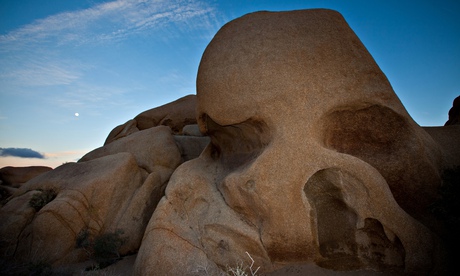
He opts for a cravat of earthy tones for his trip to Skull Rock, a remote island visited by almost no one in human history. He delights in catching a lizard and gazing into its small shiny eyes, its first ever human contact. That reptile probably got a pretty good impression of humanity in that brief moment.
Humans: smiley, friendly, amazing hair. Oliver then abseils into the yawning mouth of a cave “like a stone wave poised to break over us” as he puts it. He tucks his luxuriant locks behind one ear, and kneels, the better to peer at the rocky deposits under his feet.
There’s not a speck of cynicism in his delivery. Eyes almost permanently squinting against the gales and hair providing an external wind-powered display of the brain stimulation going on inside his skull, he is a pleasure to watch.
Elsewhere in Australia, away from the penguins and prime ministers, Naomi Campbell extends her search for a new supermodel to a country which may yet tolerate her pouting self-regard in The Face Australia (Sky Living). Except they don’t.
It’s such a strange thing to do to your high-status reality TV judge: simultaneously set her up as the one who must be obeyed and then sit back and let the cameras roll while she makes an utter prat of herself. She finds reasons to be angry about absolutely everything, even at one point forcing a paddy about contestants using their hands during a photoshoot. She storms backstage to terrify the quivering girls with some ill-chosen words and leaves, smirking to herself like she just Dorothy Parker-ed them all into next week.
The mock-jeopardy should be laughable but it actually becomes strangely gripping the more you watch. “I didn’t expect her to take such a risk,” says judge Nicole Trunfio when she sees a head shot of one contestant with her hair in natural curls. And for a minute, you silently nod in agreement. That was a bold thing to do, you think, as you focus in on the individual curls of hair framing the thin, pensive face of a girl who one day hopes to be like Naomi.
The usual fawning adoration of someone just for the luck of their bones is in evidence, but so too are the cutaways of Campbell’s fellow judges’ faces registering weary disdain as she takes some comment or other the wrong way, calls Trunfio “a bitch” and stalks haughtily off the set only to find she doesn’t know where the door is and she can’t get out. It’s an extraordinary display of empty fury, swiftly followed by an excruciating moment where she dry-cries as a beautiful Sudanese refugee is put through to the next round.
She quietly Oh my God’s and flaps at her face as she wipes away tears that aren’t there.
It is a show which deploys such tight scrutiny of such tiny, unimportant things that it shrinks your focus down to just the shape of a model’s mouth or the gap between her lips when she smiles. Back in Oliver’s big wide world, the camera pulls out to the open sky, the boisterous sea and the sheer bloody wonder of it all.