The Coalition asked colleagues in the "top 20 marginal" seats to suggest projects that should be funded under their multi-billion dollar congestion-busting scheme, a parliamentary hearing has heard.
Audit office officials have revealed rather running a process which saw projects picked based on local transport needs, the Morrison government "canvassed" Liberal parliamentarians and candidates about how the $4.8 billion fund could be channelled into their key electorates.
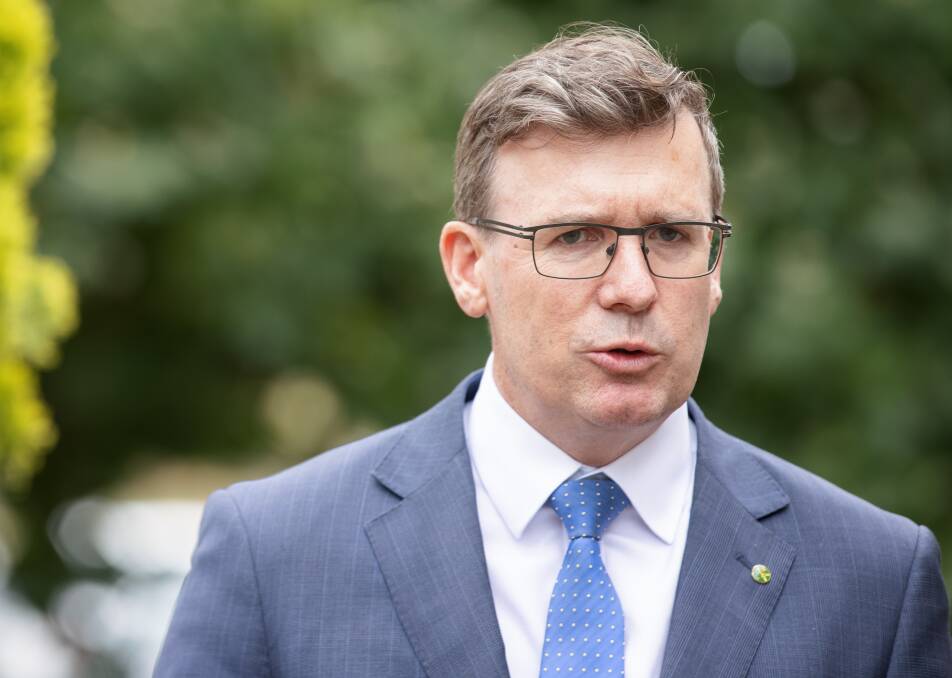
The office of then Urban Infrastructure Minister Alan Tudge was primarily responsible for sounding out his colleagues, but Prime Minister Scott Morrison's staff were also involved, an official said.
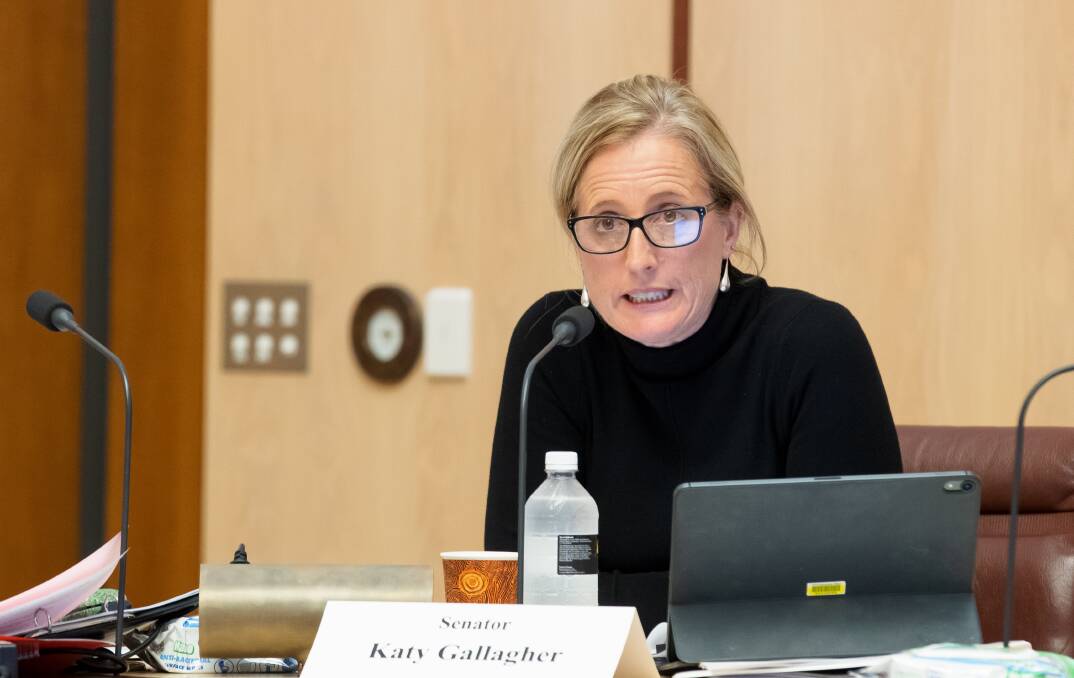
Audit officials detailed the highly politicised process in evidence to a parliamentary hearing into the Morrison government's $660 million commuter carpark fund, which was instigated by their scathing report into the scheme.
The carpark program - which was set up to fund "park-and-ride" developments next to city train stations - was a component of the government's $4.8 billion Urban Congestion Fund.
The commuter carpark program was a key part of the Coalition's 2019 re-election pitch, with dozens of projects worth hundreds of millions of dollars announced on the campaign trail.
The audit report, published earlier this month, found the process for selecting projects was not "demonstrably merit-based".
In what Labor has described as "industrial-scale rorting", more than three-quarters of projects picked were in Coalition electorates. Just two of 44 projects across 47 sites had been completed as of March 31.
Audit office official Brian Boyd revealed at Monday's parliamentary hearing that from September and October in 2018, Mr Tudge's office consulted with Liberal MPs, duty senators and even candidates in the "top 20 marginals [seats]" about what projects could be funded through the congestion-busting fund.
The number of target seats was ultimately expanded to 29 seats, Mr Boyd said.
Mr Boyd indicated that approach was unusual, given transport projects were typically funded based on needs.
Even Australia's Treasurer had his snout in the commuter carpark trough.@SenatorRennick let's call it what it is — professional rorting.#auspolpic.twitter.com/jkGEuhKIib
— Katy Gallagher (@SenKatyG) July 19, 2021
"It was ... an approach of starting from the electorates, rather than here are the [transport] routes and here is where congestion is at its greatest and that is why we need to address this," Mr Boyd said.
In evidence which exposed the flaws in the Coalition's approach, Mr Boyd said one of the target electorates did not even have a train station in it.
While the wider urban congestion fund has not yet been closely examined by the audit office, officials agreed with Labor Senator Kristina Kenneally's assertion the scheme lacked a transparent, open process for allocating taxpayer funds.
More to come ...