Coal miners' union urges silica regulation to curb black lung
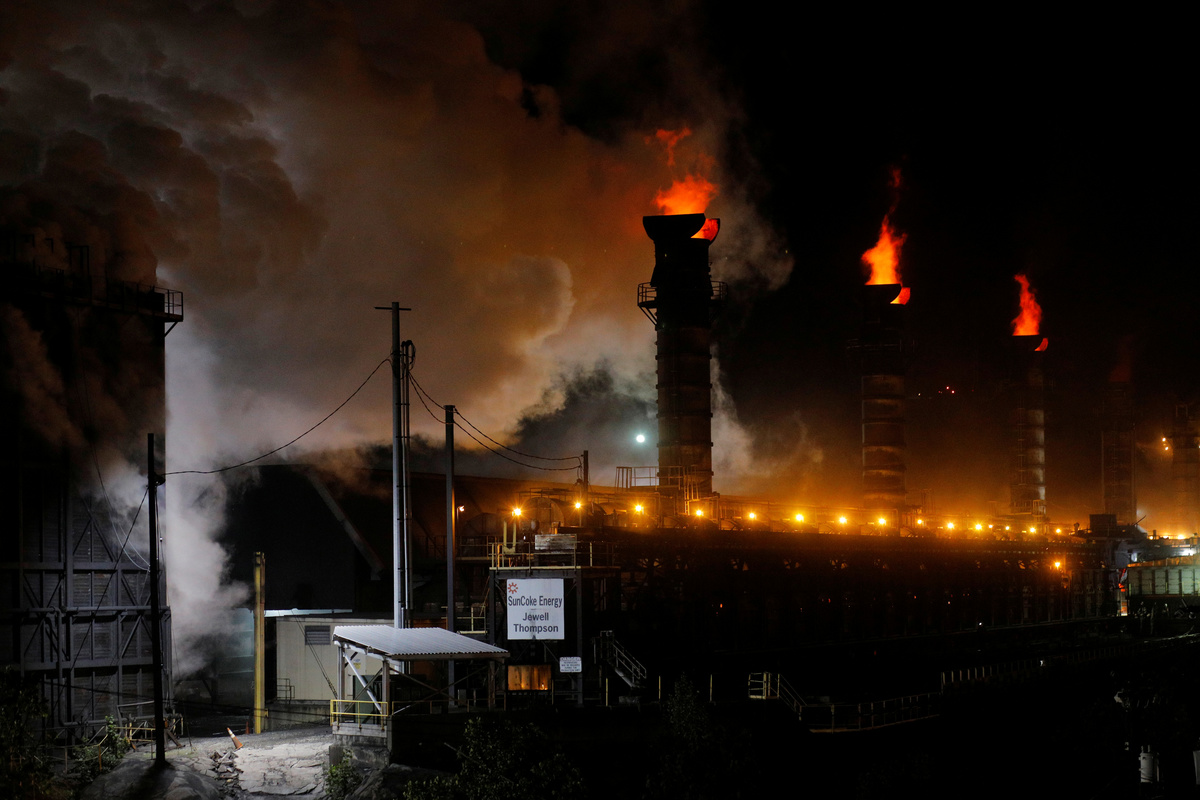
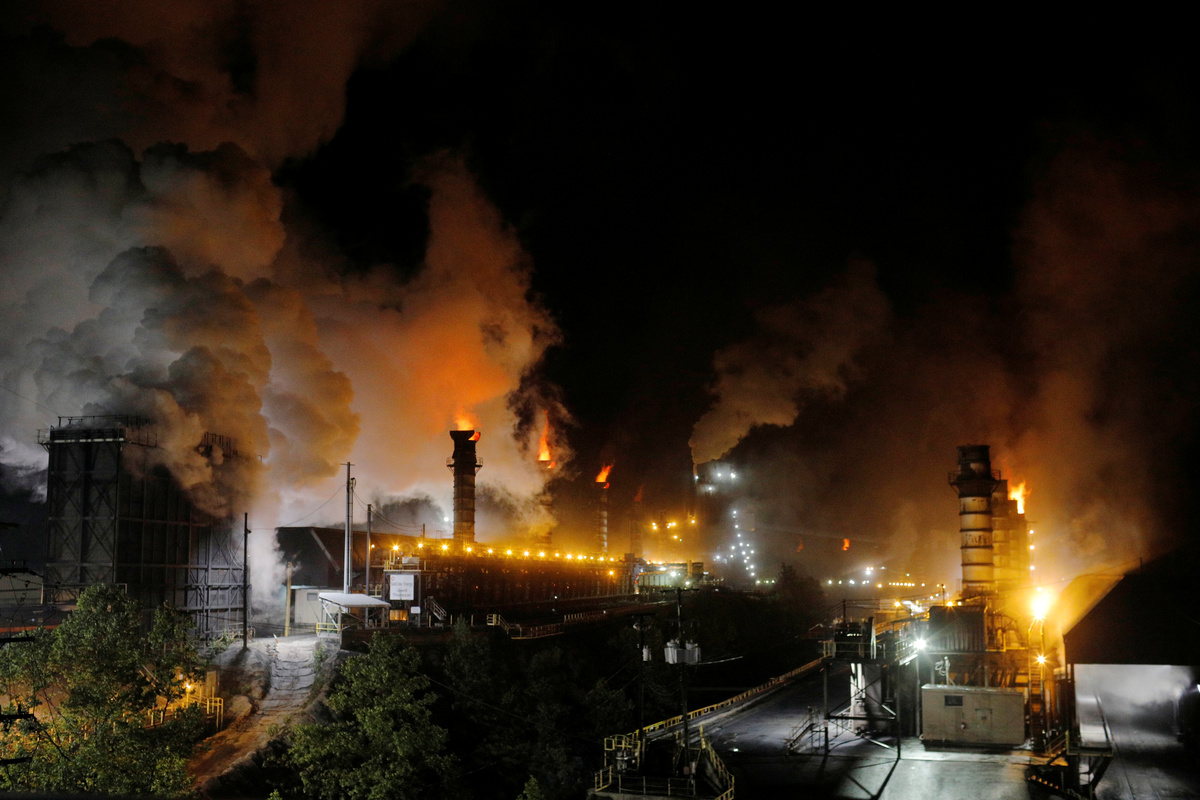
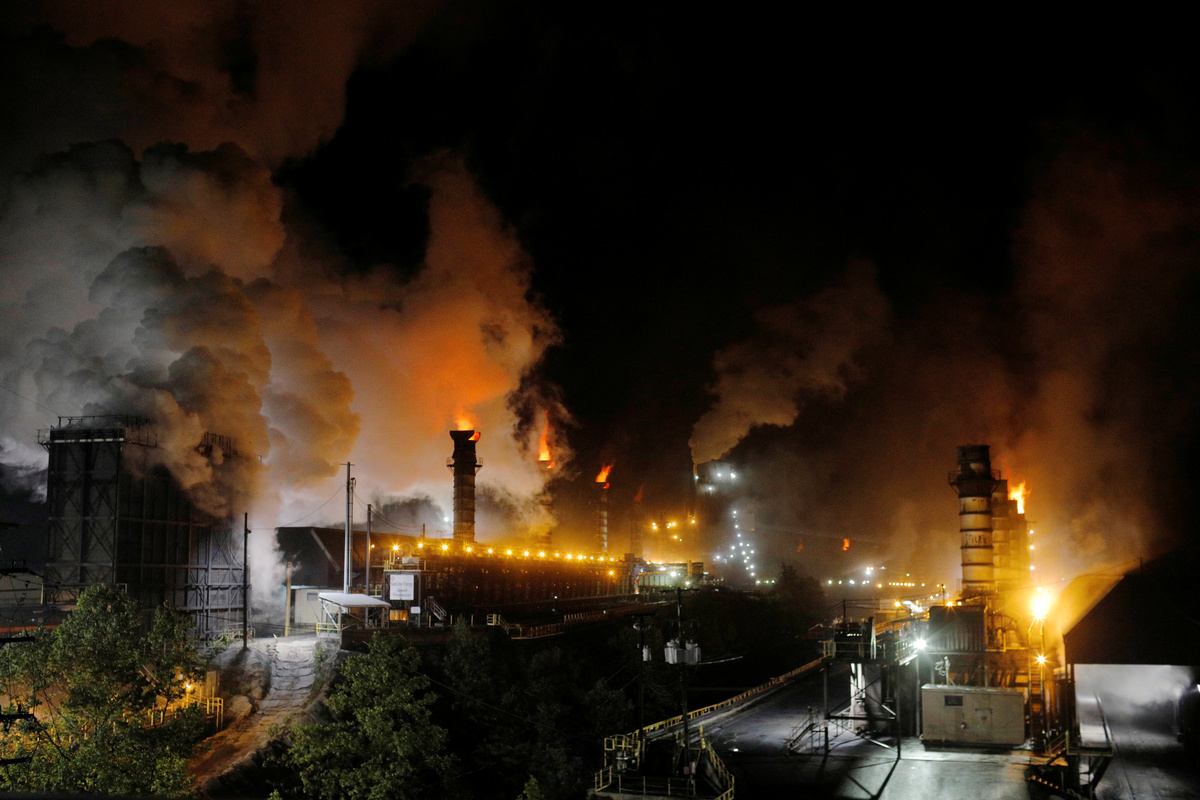
FILE PHOTO: Flames and steam rise from the Suncoke Jewell cokemaking plant, which burns coal to make coke, in Oakwood, Virginia, U.S., May 19, 2018. Picture taken May 19, 2018. REUTERS/Brian Snyder
PIPESTEM, W.Va. (Reuters) - The head of the national coal miners' union on Thursday urged the Trump administration to impose regulation on silica dust in mines, which researchers believe is responsible for a resurgence of black lung disease in central Appalachia.
The demand from United Mineworkers of America president Cecil Roberts comes as President Donald Trump tries to pump up U.S. coal production, mainly by rolling back regulations he deems burdensome to the industry.
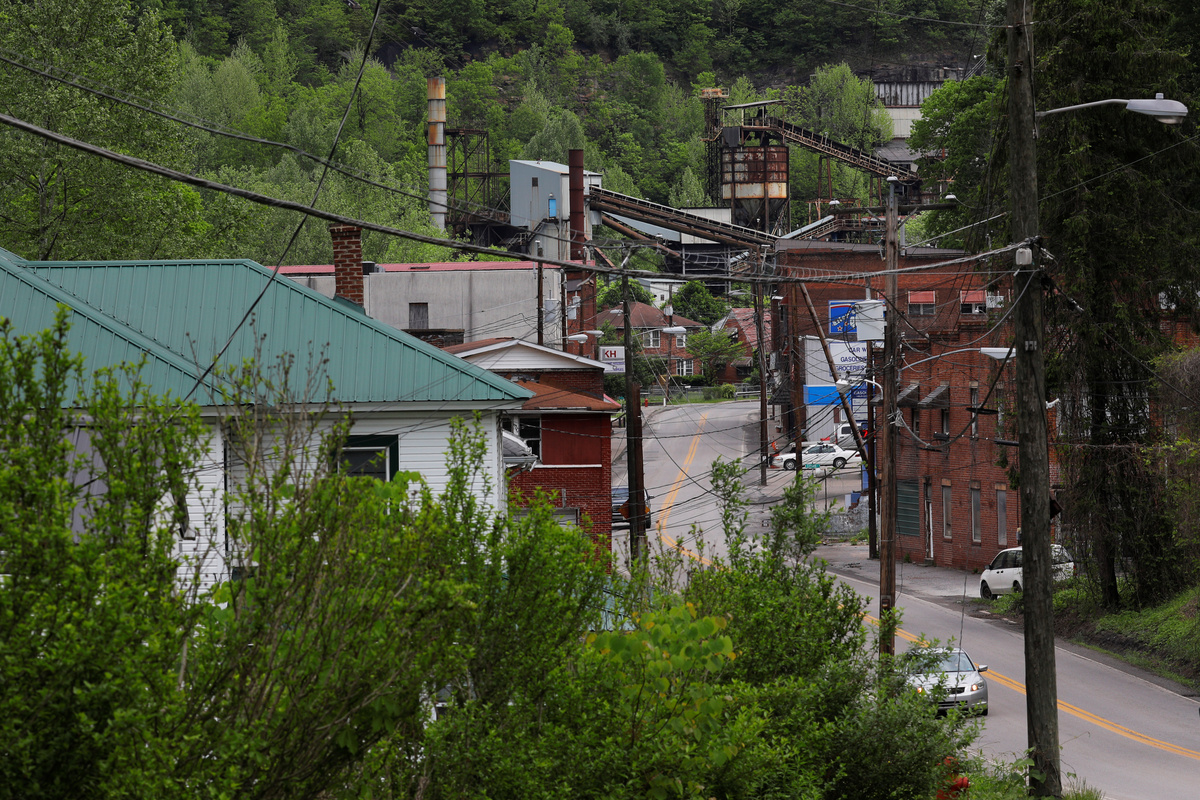
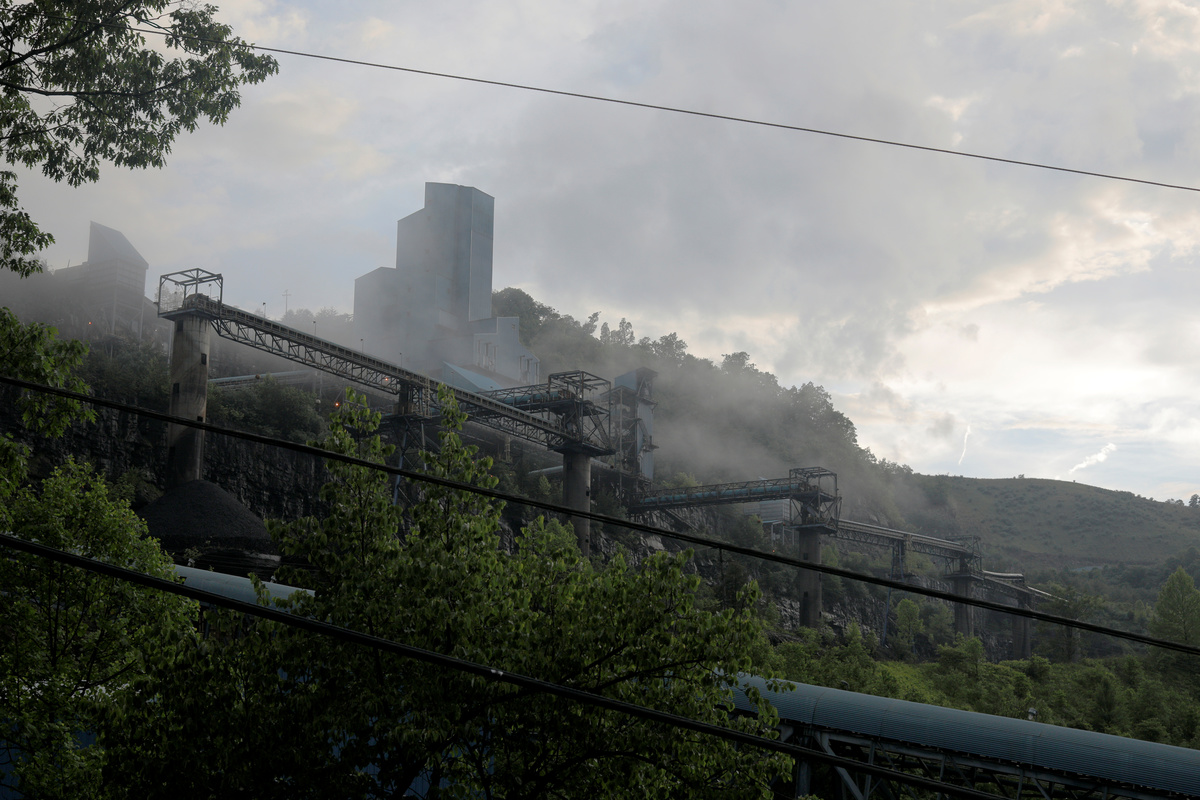
Mist hangs between mountains in Big Stone Gap, Virginia, U.S., May 18, 2018. Picture taken May 18, 2018. REUTERS/Brian Snyder
"We are seeing the most serious levels of black lung, mainly caused by silica and there are no silica standards out there," Roberts told Reuters on the sidelines of a black lung disease conference in West Virginia.
"We desperately need more."
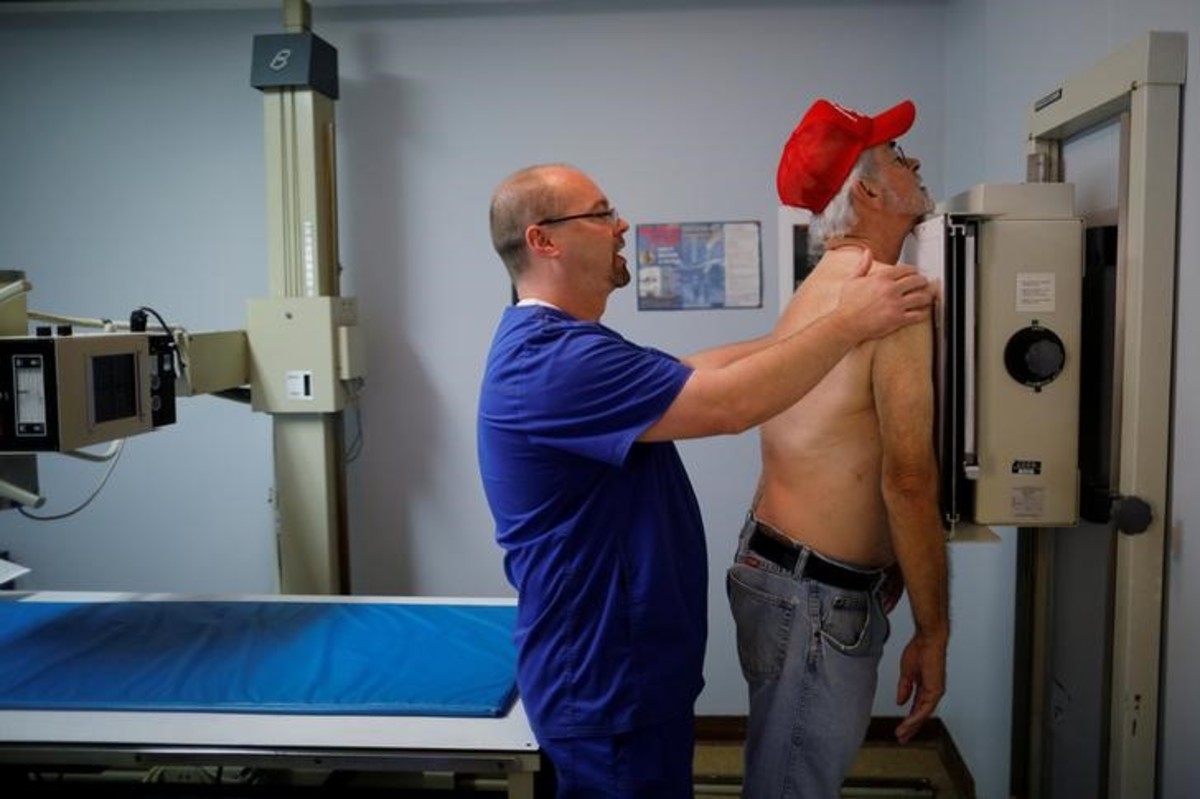
Government research and reports from black lung disease clinics in West Virginia, Virginia and Kentucky show the incidence of black lung rebounding despite improved safety measures adopted decades ago that had almost eradicated the progressive respiratory disease.
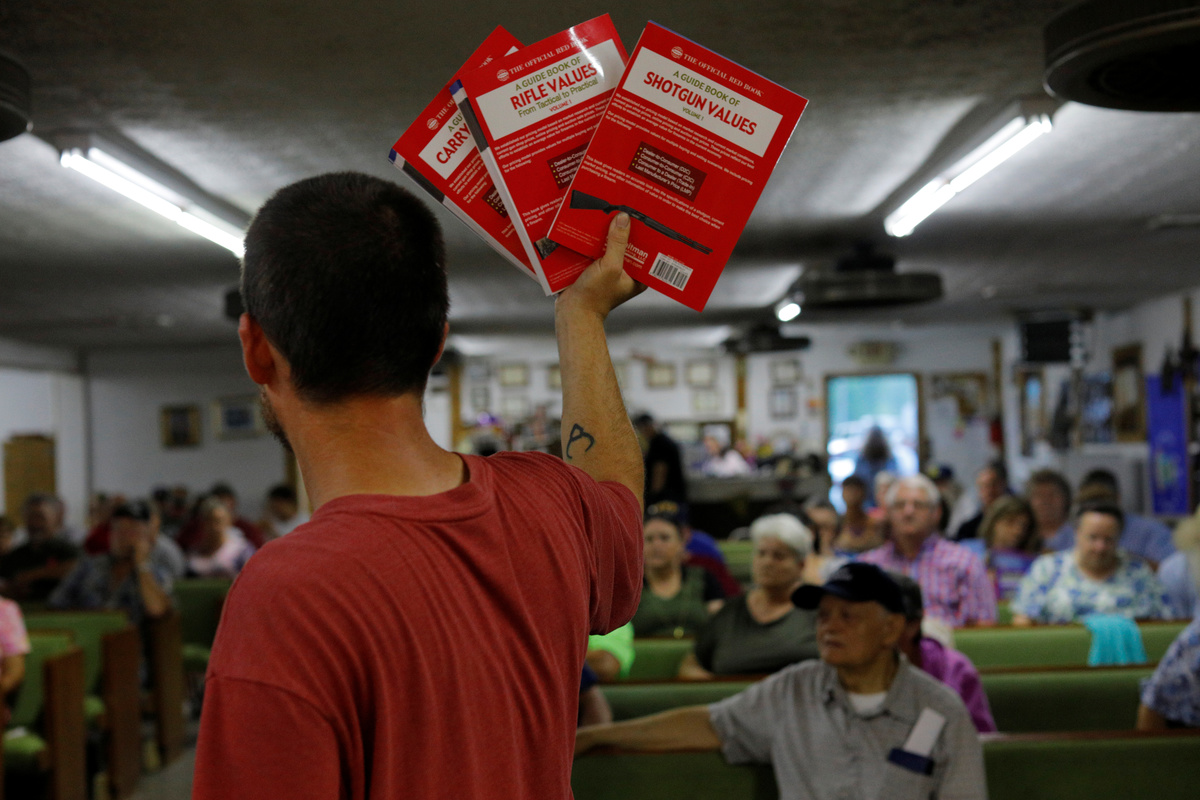
The Official Red Book Guides for Rifle Values and Shotgun Values are held up for auction at L & G Auction in North Tazewell, West Virginia, U.S., May 19, 2018. Picture taken May 19, 2018. REUTERS/Brian Snyder
Miners and regional health experts blame the rebound on longer hours spent in deeper parts of played-out coal mines, and the use of heavy machines that blast through layers of quartz rock and kick up large quantities of fine silica dust.
Roberts said the government has been slow to respond to what he calls an "epidemic" and needs to boost efforts to monitor silica, quantify how much silica is in the atmosphere, and figure out how to control it.
David Zatezalo, head of the U.S. Mine Safety Health Administration (MSHA), told Reuters there have been improvements in reducing coal dust from mines over the last three years since the agency put out a respirable coal dust rule.
Flames and steam rise from the Suncoke Jewell cokemaking plant, which burns coal to make coke, in Oakwood, Virginia, U.S., May 19, 2018. Picture taken May 19, 2018. REUTERS/Brian Snyder
But the rule does not address silica dust, which is prevalent in mechanized modern mining.
Zatezalo said the "number one challenge" for regulators before considering silica regulation is getting an accurate measurement of silica levels, something current coal dust monitoring devices used in mines cannot do.
The National Institute for Occupational Safety and Health is working on a new monitoring device that can provide daily readouts to mine operators but it is not yet complete, he said.
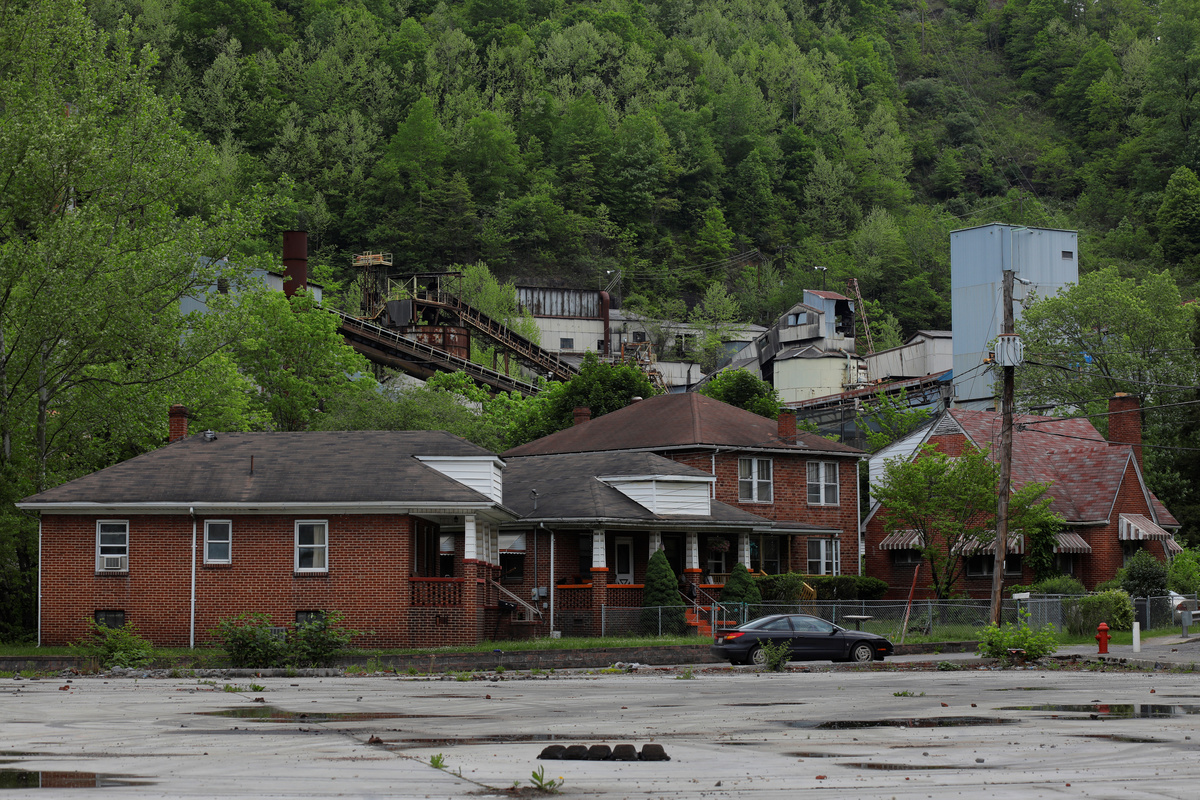
Homes sit in front of an idled coal mine in Keystone, West Virginia, U.S., May 19, 2018. Picture taken May 19, 2018. REUTERS/Brian Snyder
"Once you know what you're being exposed to, you can do something," Zatezalo said.
MSHA has been accepting comments about whether to impose a silica rule since July 2018.
Homes sit in front of an idled coal mine in Keystone, West Virginia, U.S., May 19, 2018. Picture taken May 19, 2018. REUTERS/Brian Snyder
(Writing by Valerie Volcovici; Editing by David Gregorio)
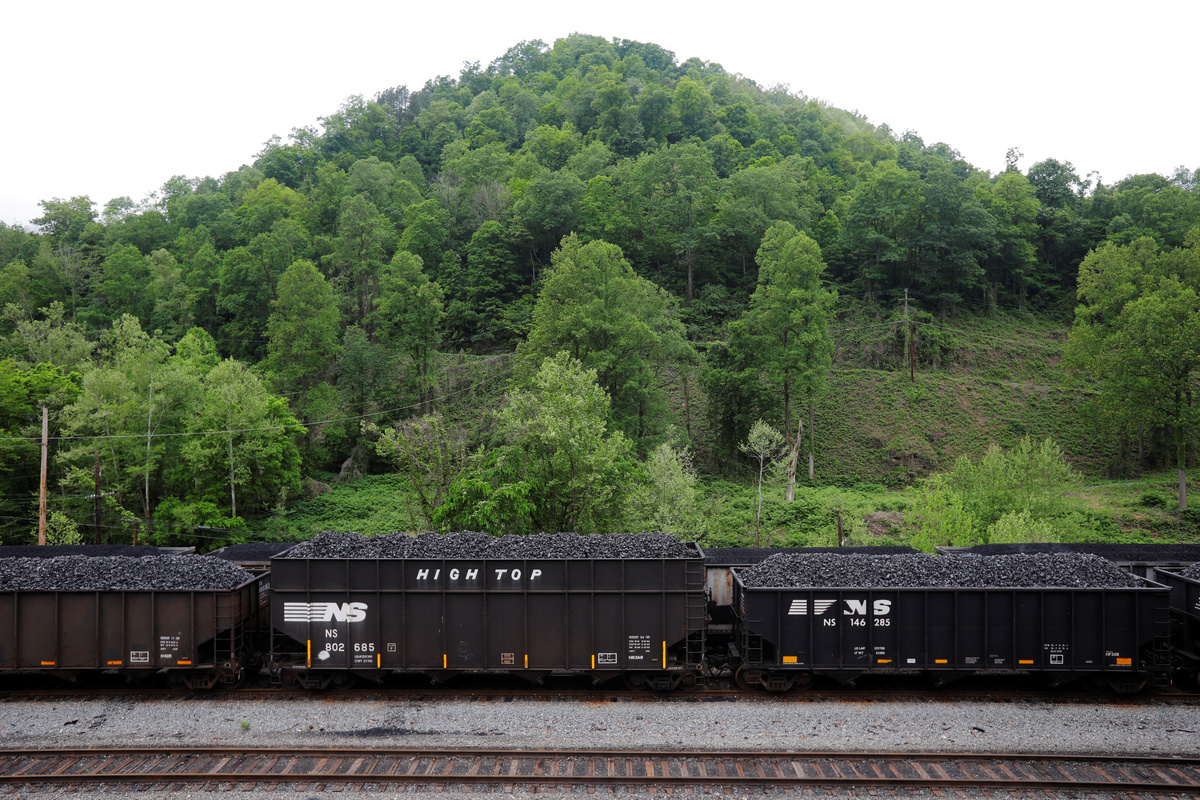
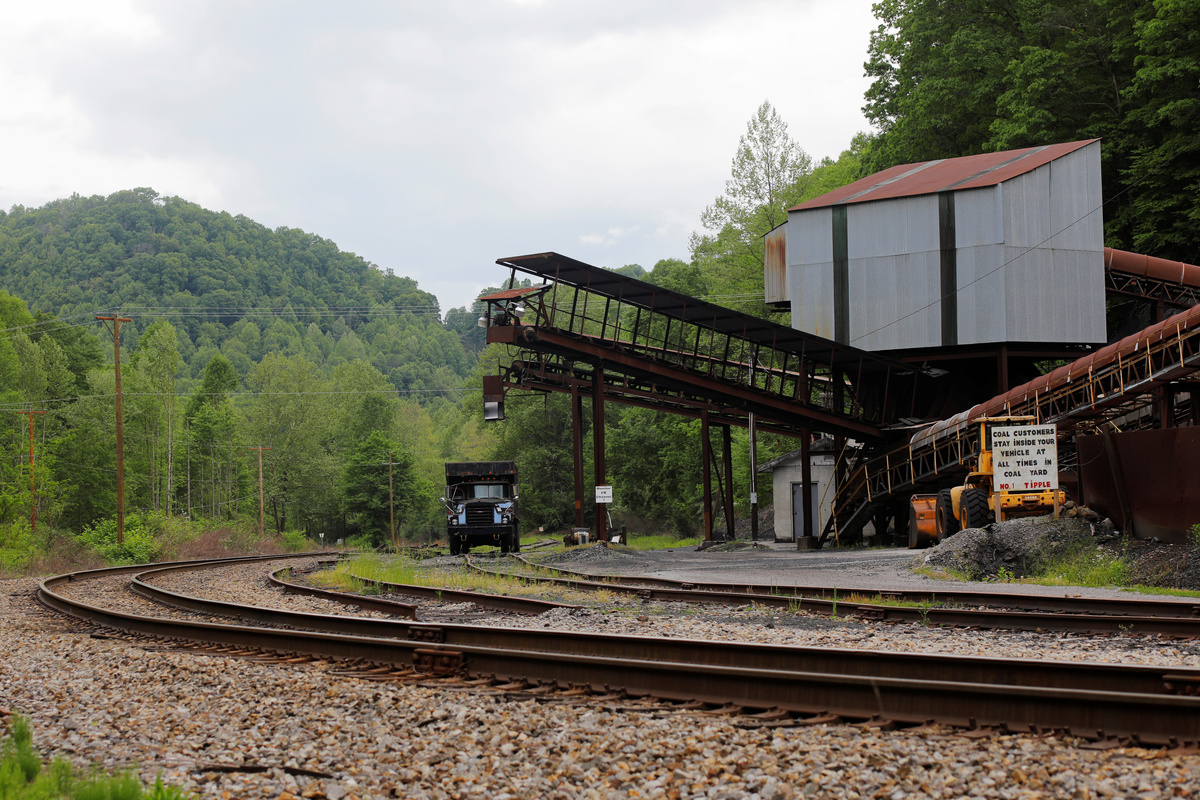
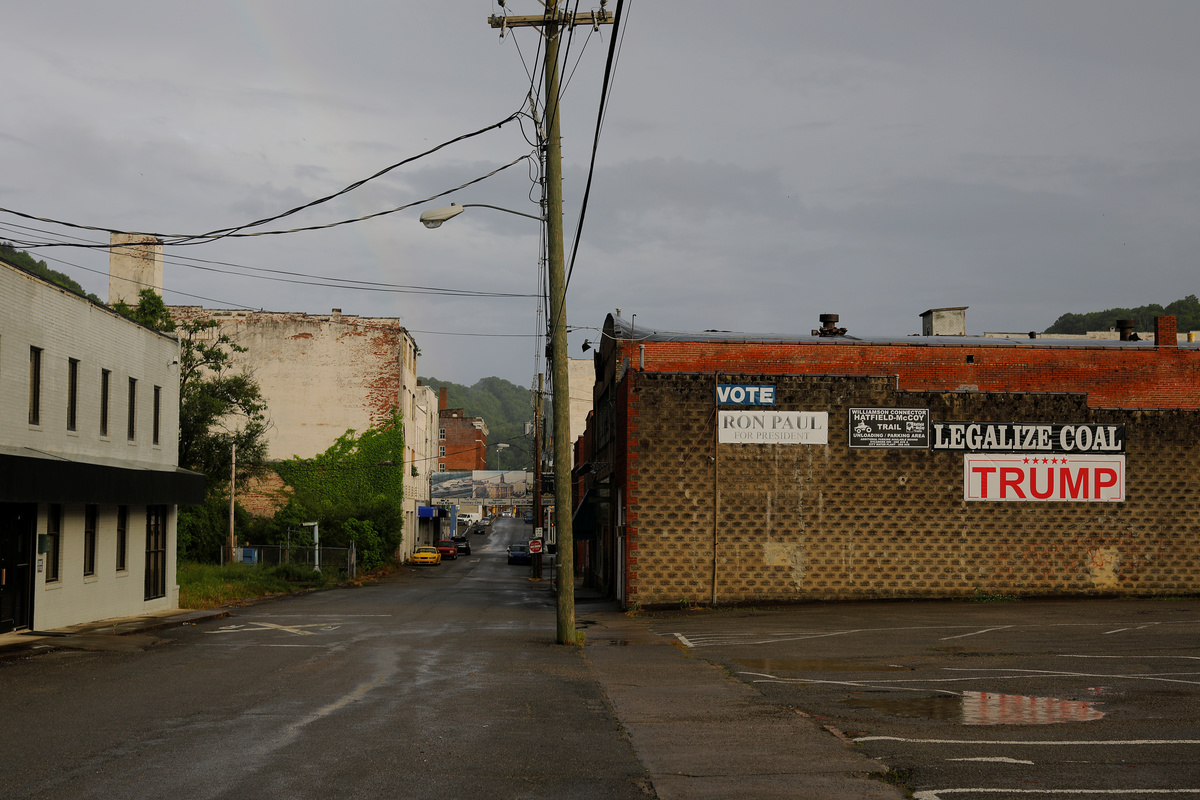
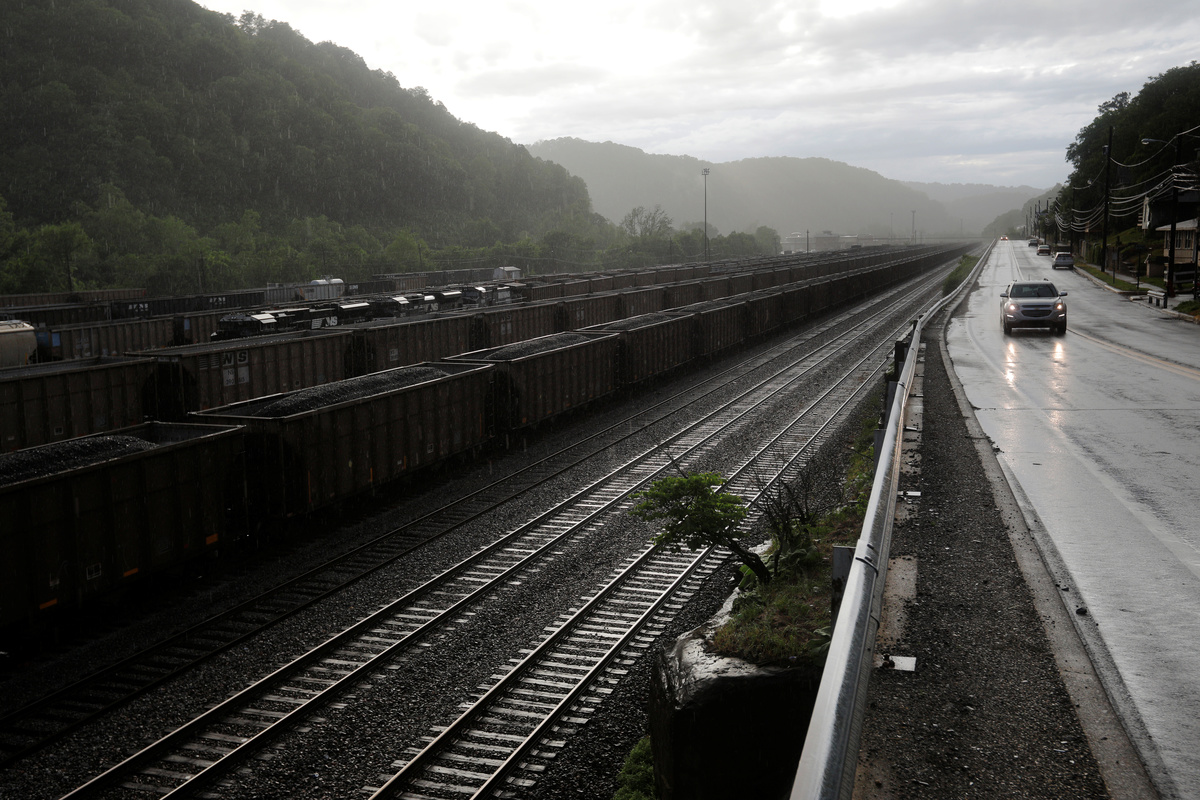
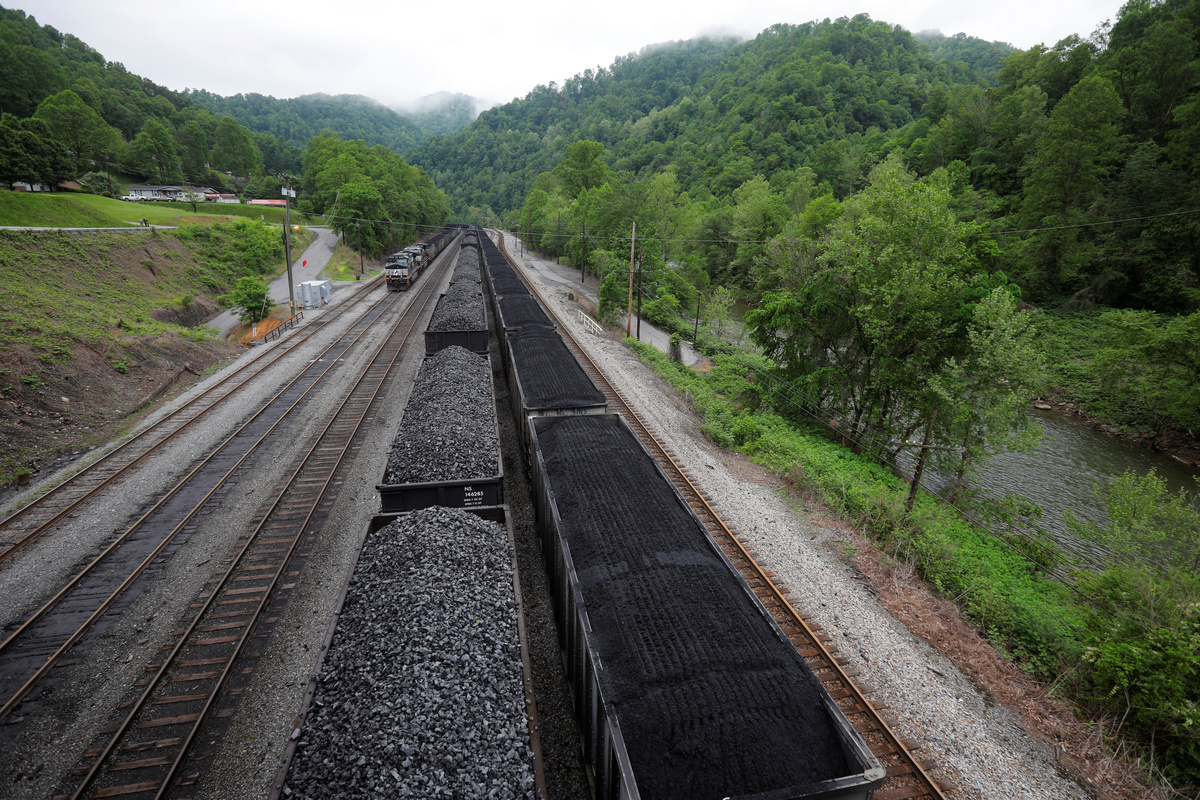
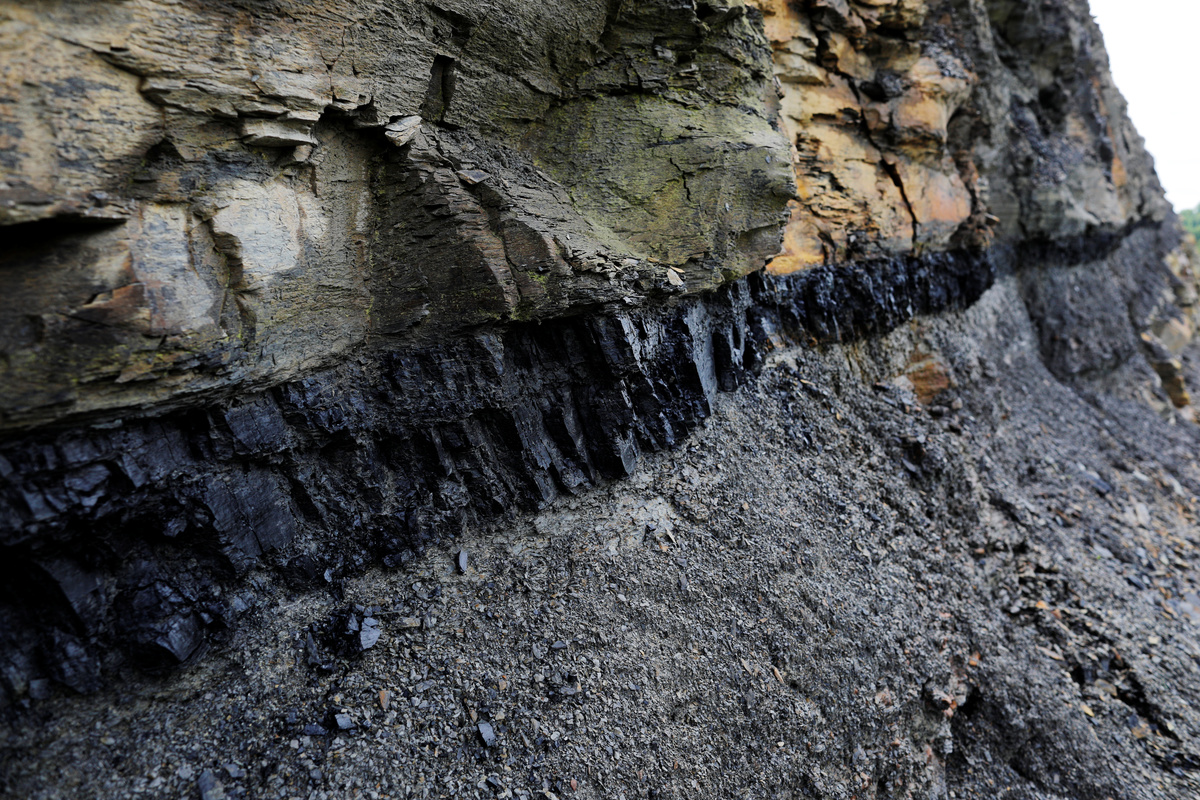
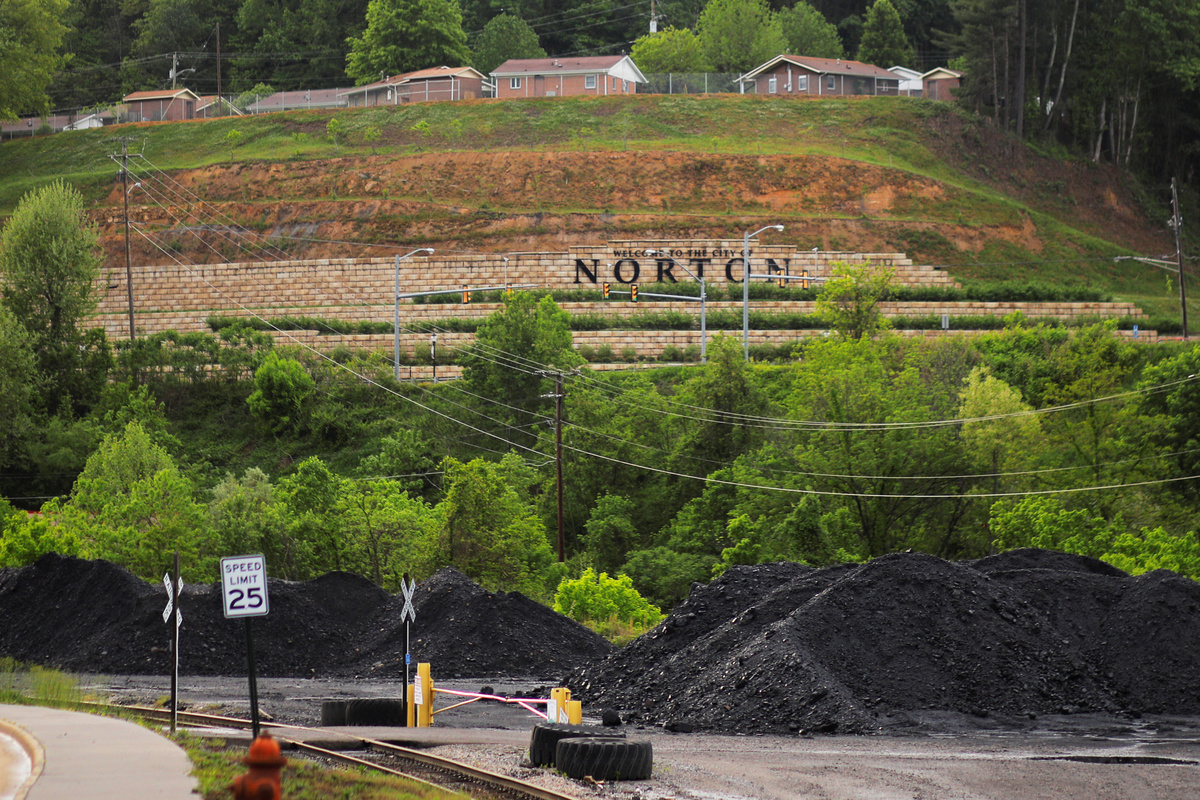
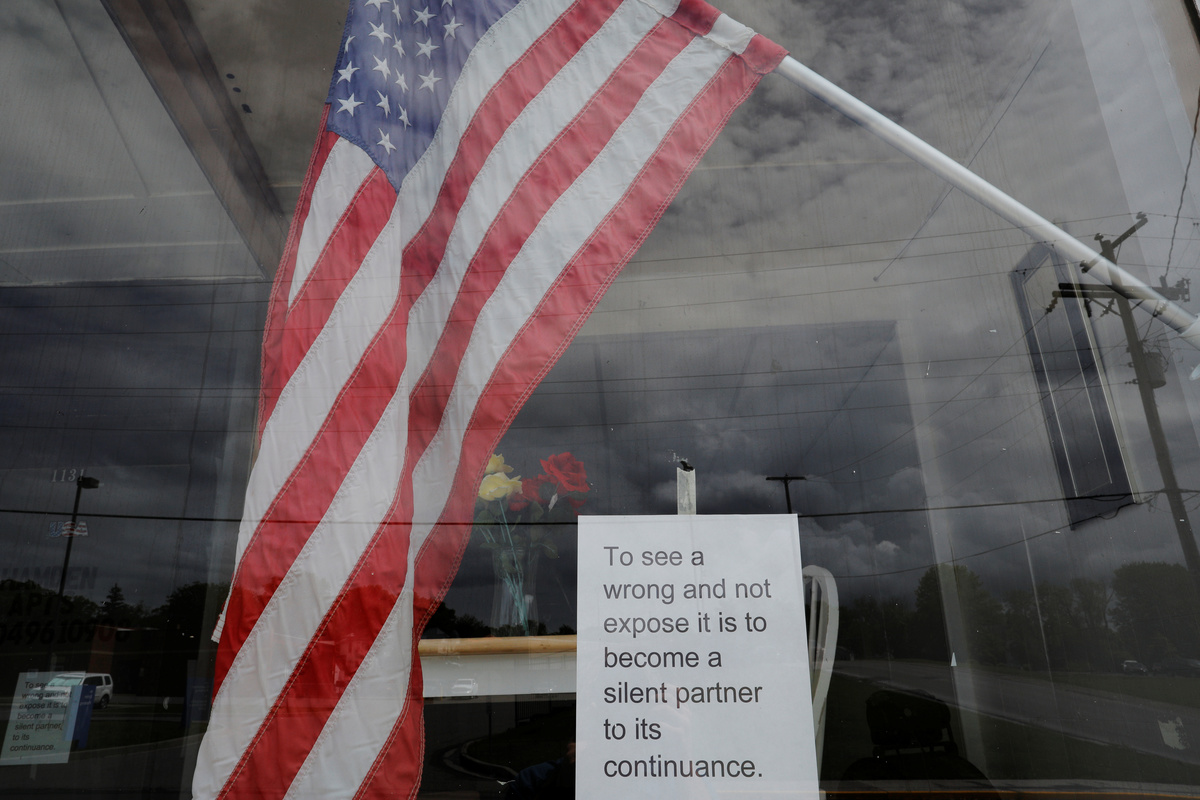
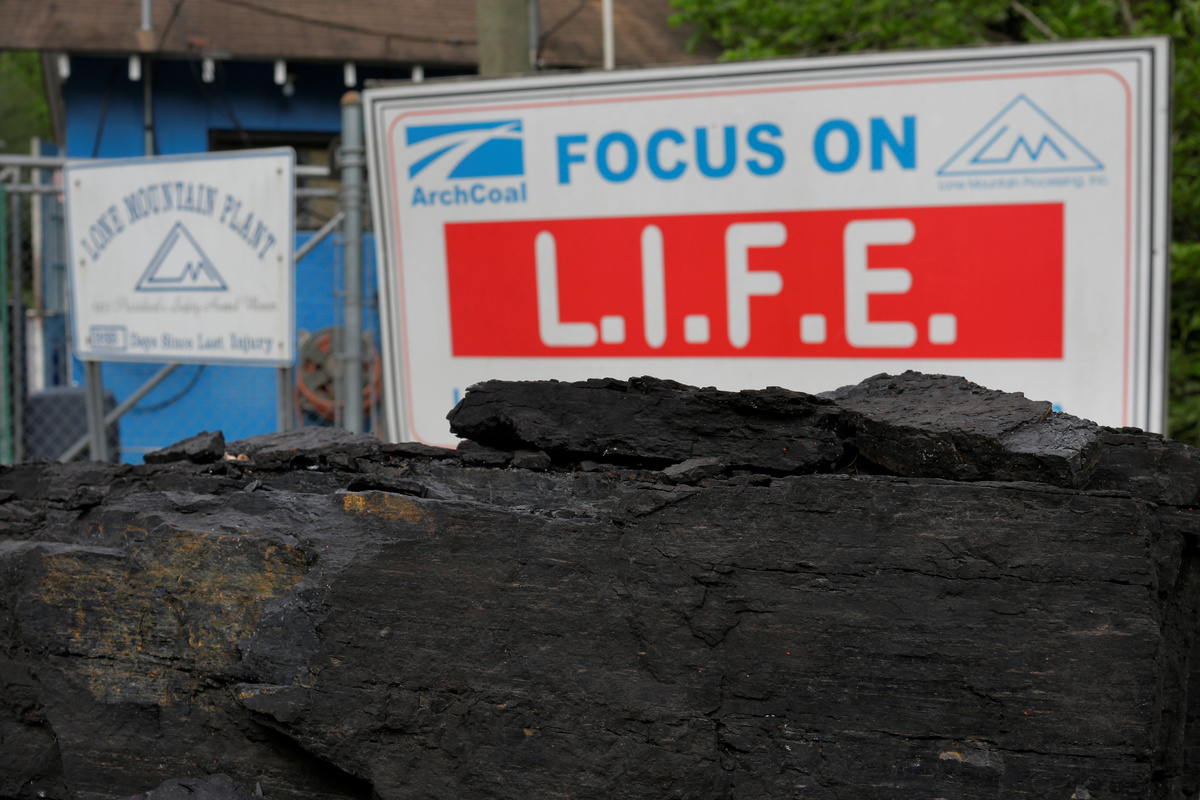
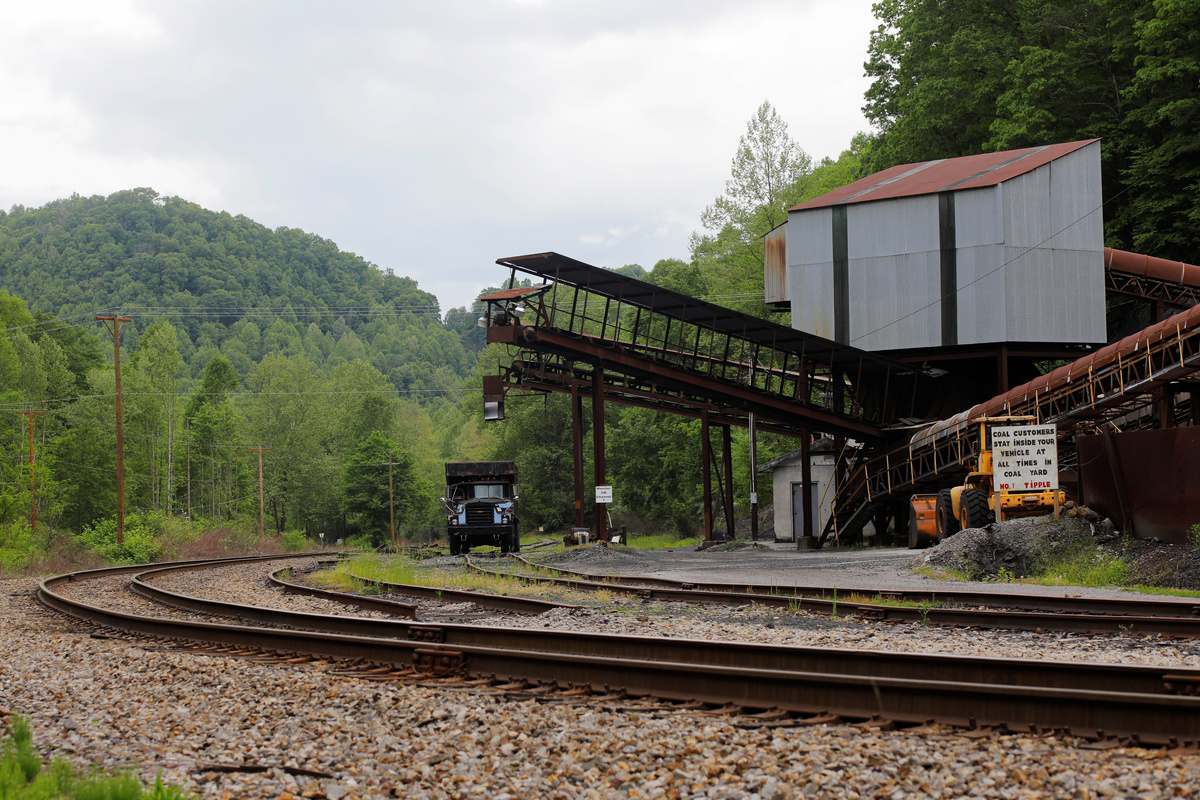
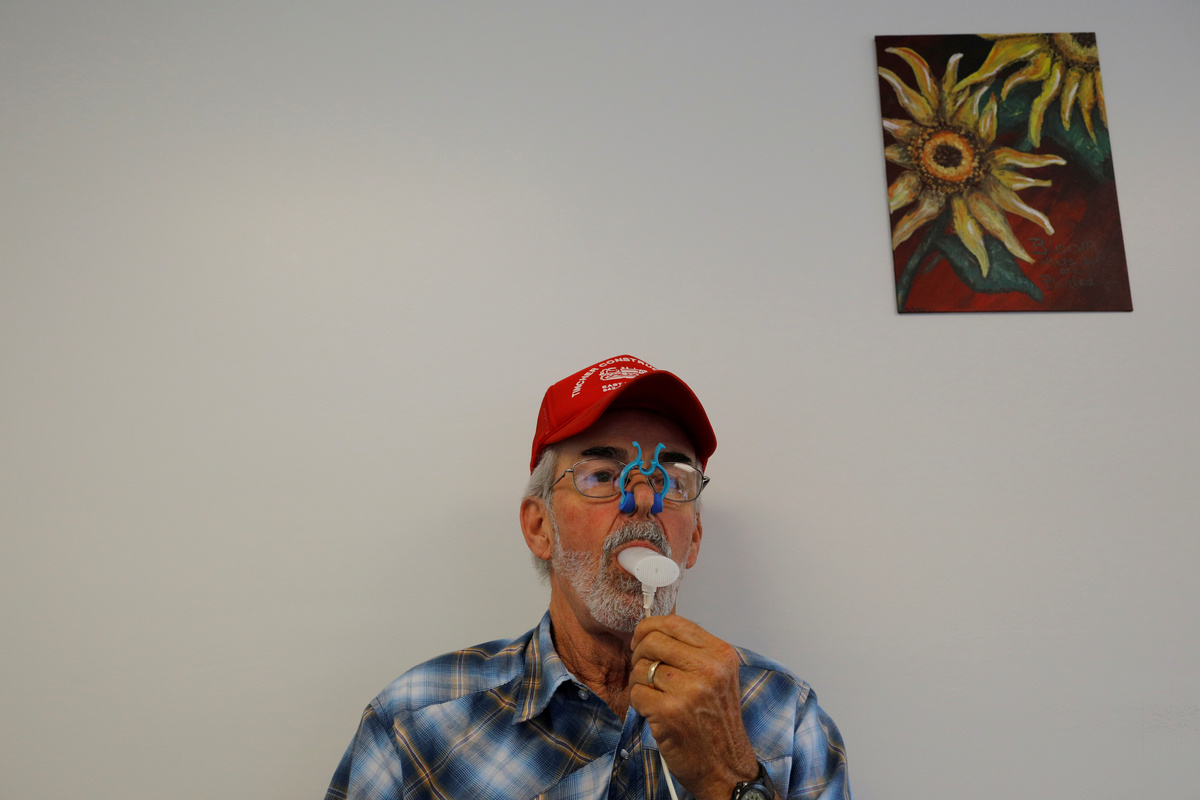
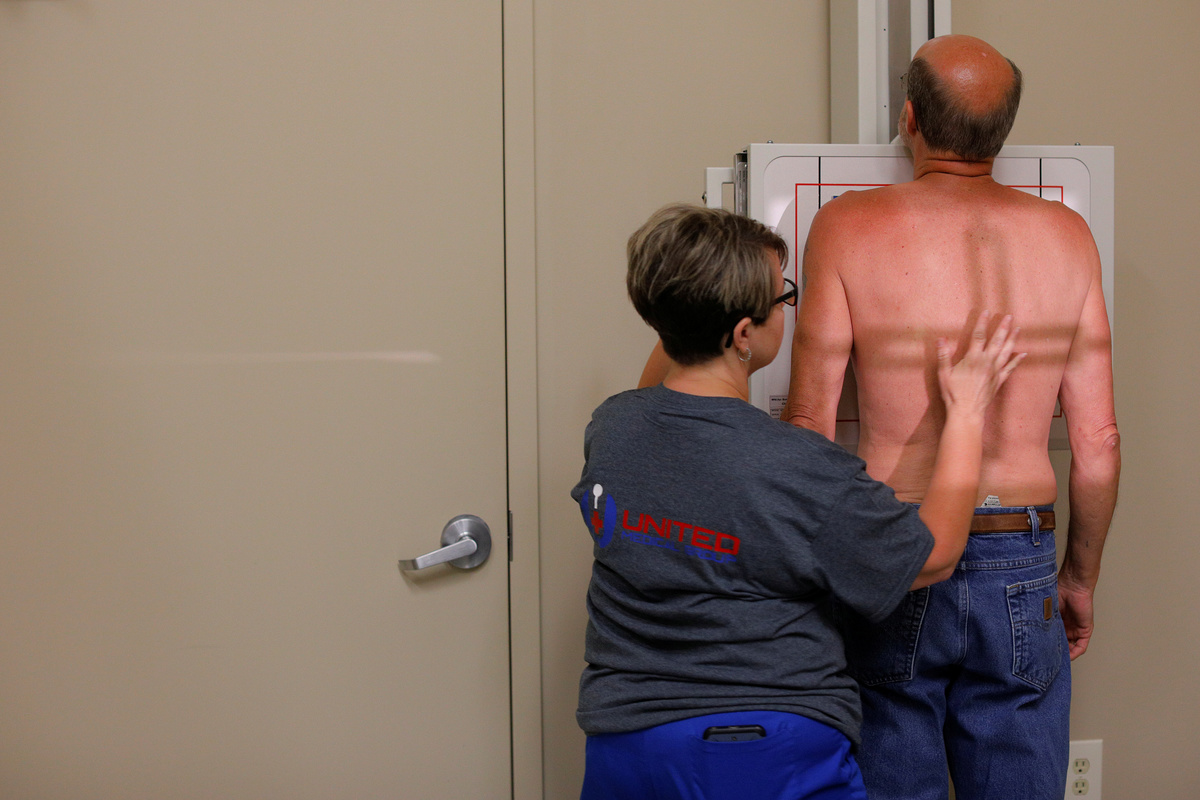
Empty store fronts stand in Princeton, West Virginia, U.S., May 17, 2018. Picture taken May 17, 2018. REUTERS/Brian SnyderRadiological technician Mark Davis positions retired coal miner James Marcum, who has complicated black lung disease, for a chest x-ray at the Stone Mountain Health Center in St. Charles, Virginia, U.S., May 18, 2018. Picture taken May 18, 2018. REUTERS/Brian SnyderCoal sits in train cars on tracks in Grundy, Virginia, U.S., May 17, 2018. REUTERS/Brian SnyderFlames and steam rise from the Suncoke Jewell cokemaking plant, which burns coal to make coke, in Oakwood, Virginia, U.S., May 19, 2018. Picture taken May 19, 2018. REUTERS/Brian SnyderMist surrounds the Premier Elkhorn Coal Co mine in Myra, Kentucky, U.S., May 18, 2018. Picture taken May 18, 2018. REUTERS/Brian SnyderA truck sits under a coal tipple in St. Charles, Virginia, U.S., May 18, 2018. Picture taken May 18, 2018. REUTERS/Brian SnyderPolitical signs hang on a building in Williamson, West Virginia, U.S., May 17, 2018. Picture taken May 17, 2018. REUTERS/Brian SnyderTrain cars filled with coal wait on the tracks outside Williamson, West Virginia, U.S., May 17, 2018. Picture taken May 17, 2018. REUTERS/Brian SnyderCoal sits in train cars on tracks in Grundy, Virginia, U.S., May 17, 2018. REUTERS/Brian SnyderA section of coal is exposed in the rock face lining a road in Partridge, Kentucky, U.S., May 20, 2018. Picture taken May 20, 2018. REUTERS/Brian SnyderHomes built on a former surface strip coal mine sit above piles of coal in Norton, Virginia, U.S., May 18, 2018. Picture taken May 18, 2018. REUTERS/Brian SnyderA U.S. flag and a sign reading "To see a wrong and not expose it is to become a silent partner in its continuance" hang in a storefront in Princeton, West Virginia, U.S., May 17, 2018. Picture taken May 17, 2018. REUTERS/Brian SnyderA piece of coal is displayed outside the Lone Mountain Processing coal mine in St. Charles, Virginia, U.S., May 18, 2018. Picture taken May 18, 2018. REUTERS/Brian SnyderA truck sits under a coal tipple in St. Charles, Virginia, U.S., May 18, 2018. Picture taken May 18, 2018. REUTERS/Brian SnyderYa'sou Restaurant stands in Welch, West Virginia, U.S., May 19, 2018. Picture taken May 19, 2018. REUTERS/Brian SnyderRetired coal miner James Marcum, who has complicated black lung disease, takes a pulmonary function test at the Stone Mountain Health Center in St. Charles, Virginia, U.S., May 18, 2018. Picture taken May 18, 2018. REUTERS/Brian SnyderFormer coal miner Wade Pauley, who has Black Lung disease after working 33 years underground in mines, stands for a chest x-ray at United Medical Services in Pikeville, Kentucky, U.S., May 22, 2018. Picture taken May 22, 2018. REUTERS/Brian Snyder
Sign up to read this article
Read news from 100’s of titles, curated specifically for you.