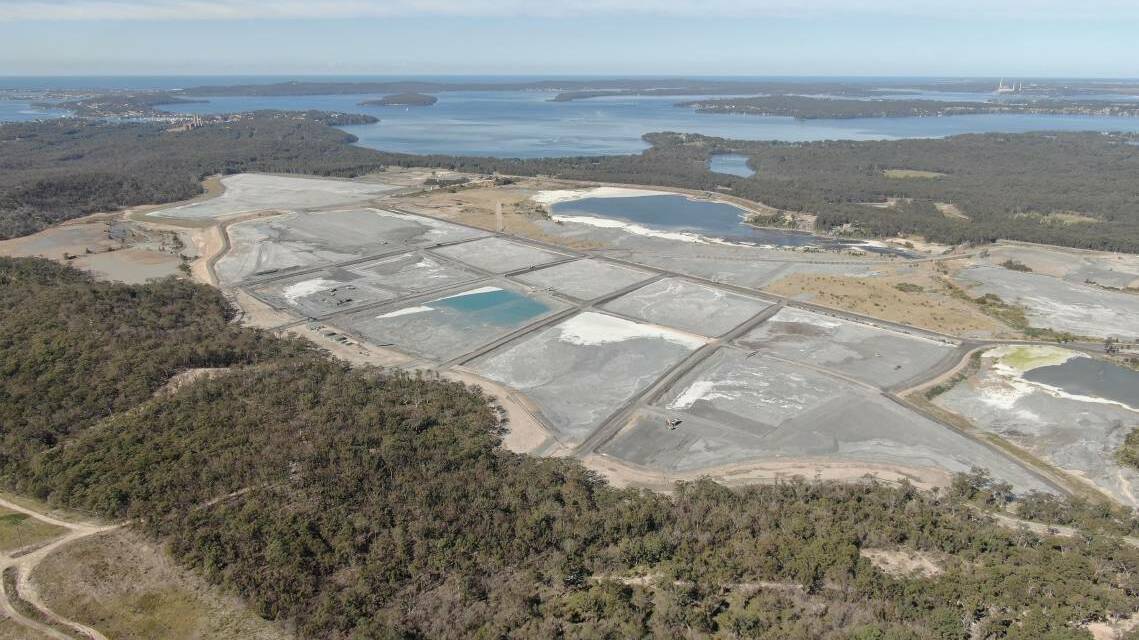
Origin Energy appears set to exceed its goal for recycling coal ash from Eraring Power station this year.
The company was required to work towards a recycling rate of 80 per cent as a condition of the 2019 approval for the expansion of its coal ash dam.
Origin announced on Thursday that it had achieved a recycling rate of just under 79 per cent (78.66%) for the six months to December.
The figure effectively doubles the quantity of coal ash that has been recycled at the plant over the past 15 years.
A significant factor in the achievement was a new agreement with Glencore to take 900,000 tonnes of coal ash over a two year period to help rehabilitate the tailings dam at its Teralba mine site.
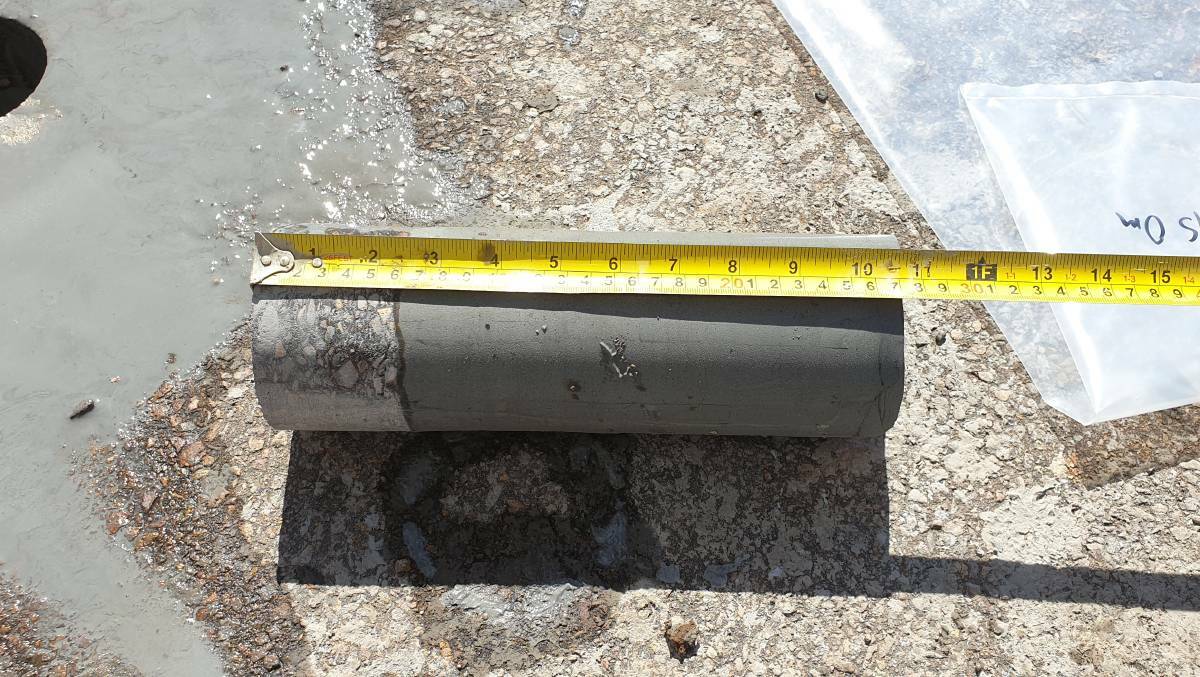
About 200 million tonnes of coal ash waste is currently dumped in unlined sites across NSW, with more than half of the material stored in the Hunter and Central Coast.
The waste product, which poses an ongoing threat to waterways, soil and air, is growing by 3.8 million tonnes a year.
Lake Macquarie MP Greg Piper has been among those lobbying the State Government to use more coal ash in road construction and building projects.
"I'd like to see it used because it takes some demand away from quarrying, which has a huge impact. There is a double benefit for the community at large and the environment," he said.
Transport for NSW said last year that it had sourced 63,000 tonnes of the material from the Eraring power station for use on the Woolgoolga to Ballina project in concrete pavement.
Construction of the Scone Bypass used approximately 1500 tonnes of fly ash sourced from the Vales Point power station. Similarly, the M1 upgrade between Kariong to Somersby used fly ash in rigid pavements.
Origin Energy, which operates Eraring Power Station, has constructed a private haul road paved with a pavement product with an ash content of 92 per cent.
"Using ash, new products can be created that do not leave the community exposed to that substance. It can be used in creating new products like green cement, for example," he said.
A NSW Upper House public works committee that investigated the environmental impacts of coal ash as well as opportunities for its reuse tabled its report last year.