The concentration of carbon dioxide in the atmosphere this year is likely to show one of the largest annual rises since measurements began in 1958, partly fueled by Australian bushfires, according to research by Britain's Met Office.
The concentration of CO2 is expected to peak above 417 parts per million (ppm) this May, while the year's average is expected to be around 414 ppm, up to nearly 3 ppm above the average for last year.
Man-made emissions are the overall driver of the long-term rise in CO2 concentrations in the atmosphere, which is the main cause of climate change.
However, added to that, weather patterns linked to swings in Pacific Ocean temperatures are known to affect the uptake of CO2 by land ecosystems.
In years when there is a warmer tropical Pacific, many regions become warmer and drier, which limits the ability of plants to grow and absorb CO2 and increases the risk of wildfires, which release further emissions.
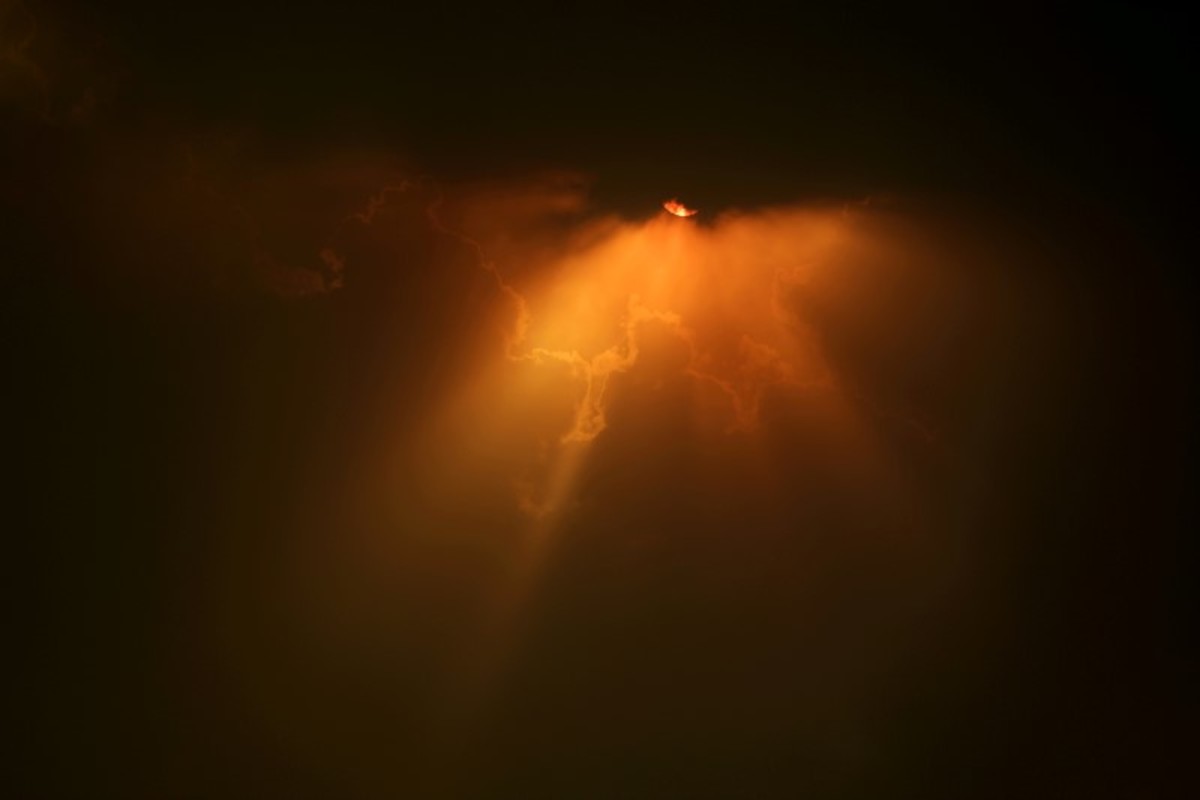
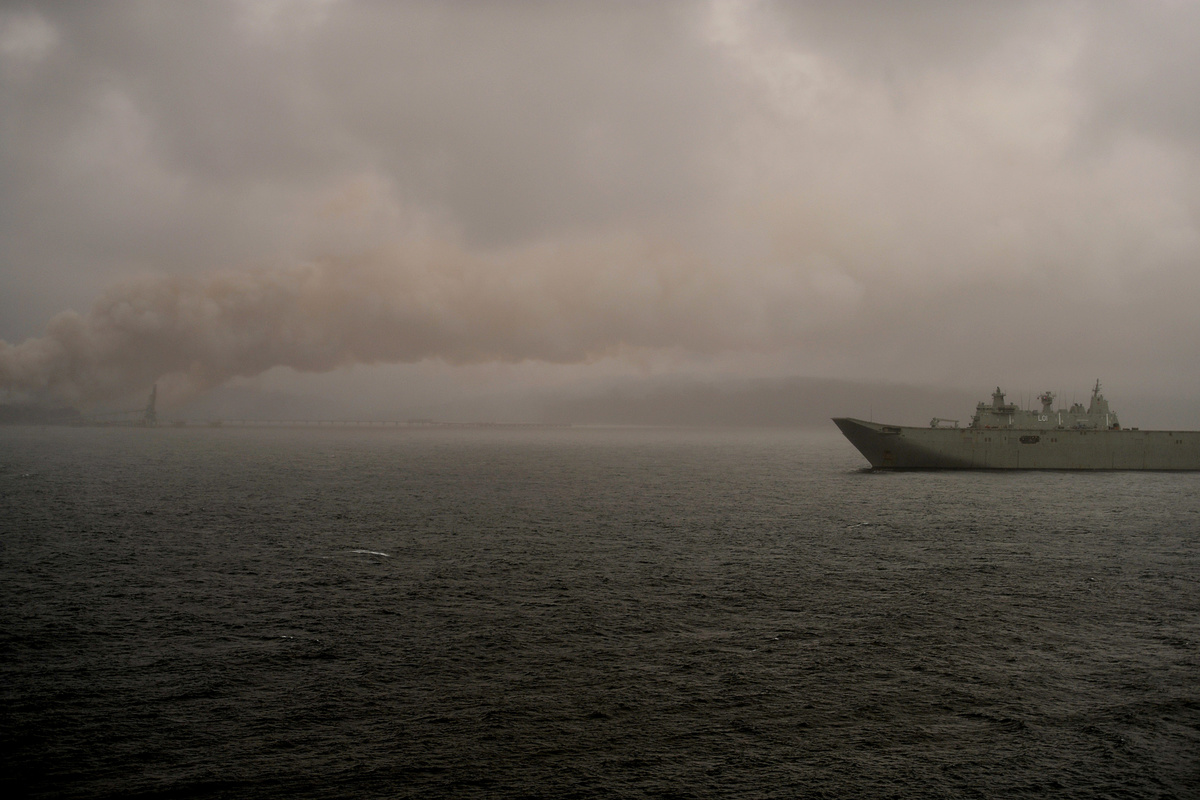
Along with other weather patterns and human-induced climate change, this has contributed to the recent hot, dry weather in Australia, which played a key role in the severity of bushfires, the Met Office said.
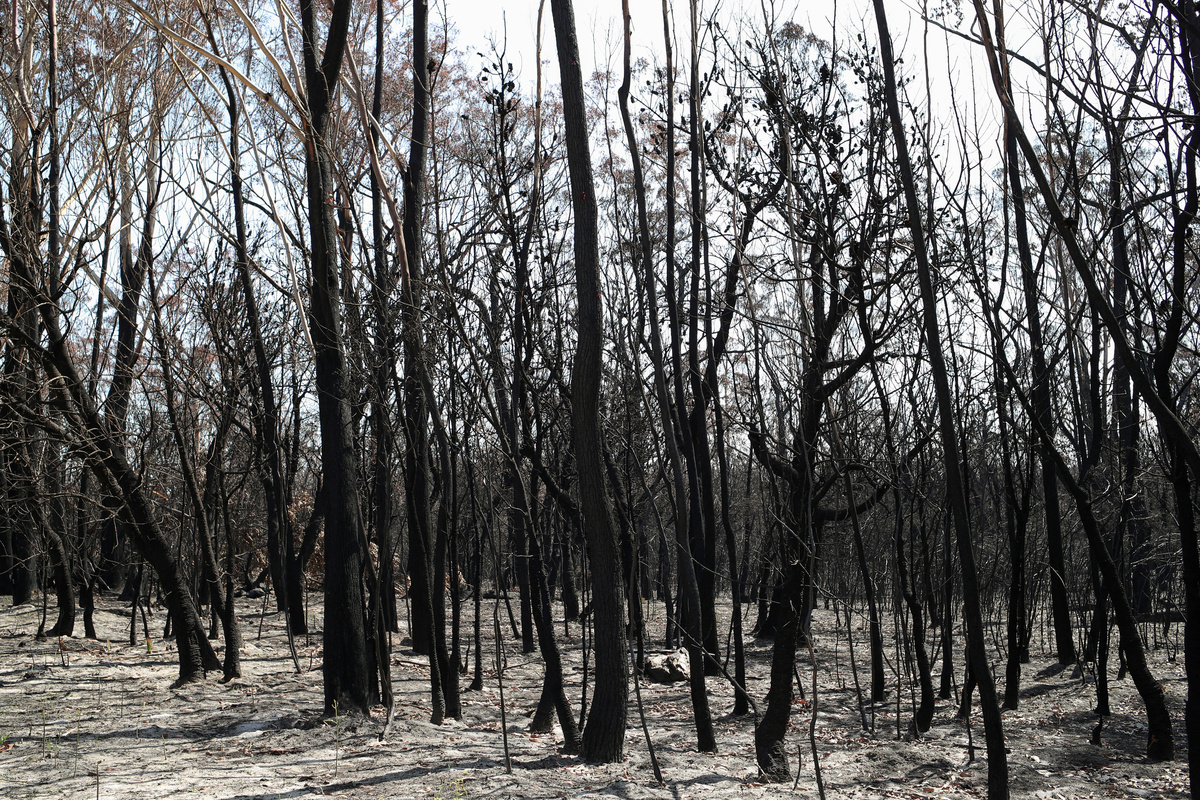
An unusually long bushfire season has scorched an area one-third the size of Germany in Australia.
The impact of weather patterns on ecosystems is expected to increase the rise in CO2 concentration by 10% this year and the emissions from the bushfires contribute up to one fifth of this increase, the Met Office said.
"Although the series of annual levels of CO2 have always seen a year-on-year increase since 1958, driven by fossil fuel burning and deforestation, the rate of rise isn’t perfectly even because there are fluctuations in the response of ecosystem carbon sinks, especially tropical forests," said Richard Betts, of the Met Office Hadley Centre
"Overall, these are expected to be weaker than normal for a second year running," he added.
(Reporting by Nina Chestney; Editing by Angus MacSwan)