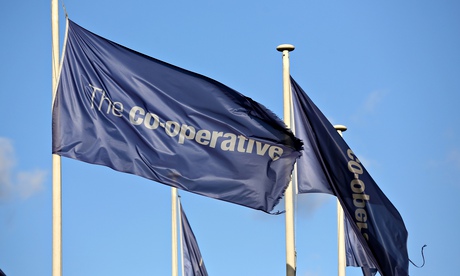
The Co-op’s electrical goods website is to shake up the controversial £1bn extended warranties market by selling policies at cost price.
The move is bad news for both internet rival AO.com and high street giant Dixons Carphone as the sale of extended warranties is a lucrative add-on in an industry with wafer-thin profit margins.
The initiative comes as the Co-op tries to re-establish its ethical credentials after financial problems at its bank, coupled with the Paul Flowers scandal, almost brought the mutual to its knees.
James Holland, managing director of Co-operative Electrical, said: “A significant number of consumers seek the reassurance offered by an extended warranty. However, we believe that this market should be easier to understand and represent real value. In most cases it is just far too expensive.”
Holland promised that from now on the retailer would make “no profit” on the warranties it offers on domestic appliances such as washing machines and fridge freezers. Last year Co-operative Electrical made a profit of £1m on sales of more than £100m. Established in 2001, it is one of the UK’s longest-established online electrical retailers, with a 5,000-strong range on its website.
Rival AO.com, with sales of nearly £290m through its own website, has made a disappointing start to life as a listed company. After initially soaring in value its shares are now trading at well below the February issue price of 285p – closing on Monday at 154p. Its float prospectus revealed a fast growing extended warranties business that raked in £17.9m from policies sold on behalf of Domestic & General last year, compared with just £10.1m in 2012.
One in five shoppers buy the additional insurance offered by an extended warranty but in some cases can pay almost as much for the policy as the product it is being purchased to cover.
An investigation by the Office of Fair Trading in 2012 found customers were not getting the best value for money, as well as specific issues around the huge expense of pay-as-you-go warranties.
“In line with our group purpose, we are championing a better way of doing business by providing at cost, extended warranties which offer real added benefits for those consumers that want peace of mind,” said Holland.
Last week Co-operative Group chief executive Richard Pennycook told a conference the mutual was now “stable” but that half its assets, built up over 150 years in business, had been wiped out by the crisis. The mopping up process had cost it £125m in professional fees, he added.
To shore up its finances the Co-op has sold off a number of divisions including its pharmacy chain, which fetched £620m, and its farms which brought in £249m. A series of fundraisings means the bank which bears its name is now 80% owned by outside investors, including hedge funds.