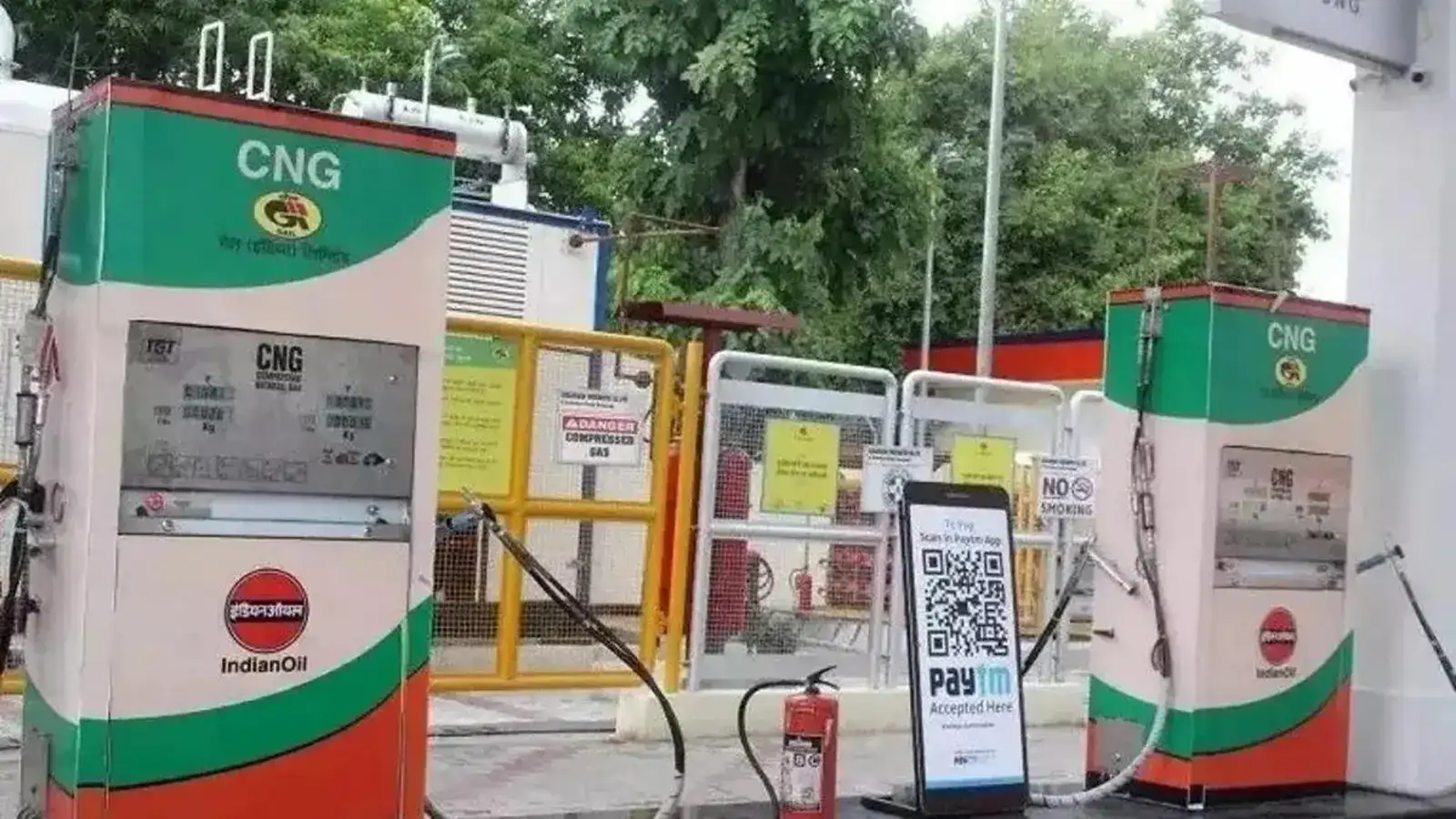
Delhi commuters will now have to pay more for every CNG refill as Indraprastha Gas Limited (IGL) has once again increased compressed natural gas (CNG) prices across its network. The latest hike of Re 1 per kg came into effect from 6:00 am on Sunday, pushing CNG prices in Delhi beyond the Rs 80-mark for the first time.
With the fresh revision, CNG in Delhi is now priced at Rs 80.09 per kg. This marks the second increase in just 48 hours after IGL had earlier raised rates by Rs 2 per kg on Friday, taking the price to Rs 79.09 per kg.
The back-to-back hikes are expected to impact daily commuters, cab drivers, auto-rickshaw operators, and private vehicle owners who depend on CNG as a relatively affordable fuel alternative.
Revised CNG Prices in Major Cities
Here are the latest domestic PNG prices across major Indian cities:
| City | PNG Price |
|---|---|
| New Delhi | Rs 47.90 |
| Kolkata | Rs 50.00 |
| Mumbai | Rs 50.00 |
| Chennai | Rs 50.00 |
| Gurgaon | Rs 49.90 |
| Noida | Rs 47.76 |
| Bangalore | Rs 52.00 |
| Bhubaneswar | Rs 45.33 |
| Chandigarh | Rs 52.63 |
| Hyderabad | Rs 51.00 |
| Jaipur | Rs 49.50 |
| Lucknow | Rs 56.50 |
| Patna | Rs 49.44 |
| Thiruvananthapuram | Rs 51.00 |
The latest CNG price revision comes shortly after the Centre announced an increase in petrol and diesel prices on Friday. In the national capital, petrol and diesel prices were raised by nearly Rs 3 per litre.
Following the revision:
- Petrol in Delhi is now retailing at Rs 97.77 per litre
- Diesel price in Delhi stands at Rs 90.67 per litre
The rise in fuel prices is likely to increase transportation and logistics costs across sectors.
PNG Prices Remain Unchanged
While petrol, diesel, and CNG prices have witnessed fresh hikes, domestic piped natural gas (PNG) prices remain unchanged from the rates implemented on April 1, 2026.
Why Are Fuel Prices Rising?
The consecutive increase in CNG, petrol, and diesel prices comes amid growing pressure on global energy markets due to escalating tensions in the Middle East and the ongoing blockade of the Strait of Hormuz — a crucial global energy route through which nearly 20% of the world’s oil and gas trade passes.
Concerns over supply disruptions through this strategic corridor have pushed global crude oil prices sharply higher, creating pressure on domestic fuel pricing.
Global crude prices have reportedly surged from around $70 per barrel before the conflict to over $100 per barrel now. Despite the spike, India has managed to keep fuel price increases relatively moderate compared to several other countries.
According to government data, while many nations witnessed fuel price hikes ranging from 20% to nearly 100%, petrol and diesel prices in India increased by only 3.2% and 3.4%, respectively.