New coronavirus clusters have occurred at 125 locations across 31 prefectures, according to a Yomiuri Shimbun survey.
Thursday marked one week since the state of emergency initially declared for seven prefectures was expanded to cover the entire nation, and the findings highlight the importance of identifying clusters of infection that spread through communities in various regions. The clusters are considered to be five or more cases connected to each other through being transmitted in the same place.
The Yomiuri Shimbun examined infection figures announced by prefectural governments up until Wednesday. As of that date, Japan had recorded 11,845 cases of the new coronavirus. The survey focused on publicly announced cases where it was possible clusters of infections had occurred. The survey covered 46 prefectures -- Iwate was excluded, because that prefecture had not reported any cases as of Wednesday.
Clusters were confirmed in a total of 125 locations and involved a total of 2,698 people. Fifteen prefectures had no confirmed clusters.
Medical institutions were the most common type of location, with 41 facilities reporting clusters of infections. Clusters occurred at 27 welfare facilities, such as nursing homes for the elderly. Medical and welfare facilities accounted for about half of the total number. These facilities have a high risk of spreading infection because many people there are already ill or have health issues due to old age. Any infection at such a facility tends to spread easily to other people there. A total of 1,759 people caught the coronavirus at medical or welfare facilities, accounting for about 65% of all cluster infections.
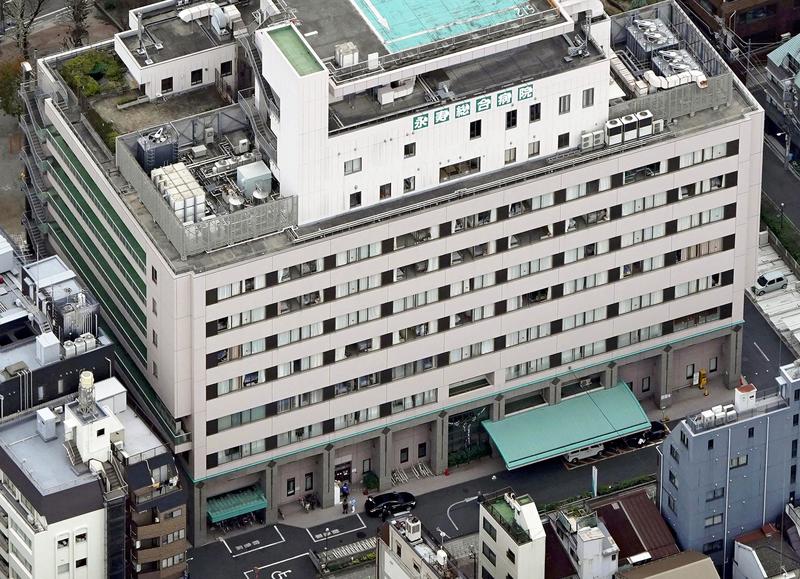
According to the survey, at least 12 locations had large clusters of 50 or more people. Among them, an outbreak at Eiju General Hospital in Taito Ward, Tokyo, had infected a total of 201 patients and staffers as of Wednesday. Of them, 30 people had died.
Of the 119 coronavirus cases recorded in Fukui Prefecture, 107 became infected through a huge cluster that formed from a Fukui city club where customers are entertained. The infections spread from club employees and customers to some of their family members.
Okinawa Prefecture has recorded 130 cases of the virus, but the only cluster involved seven people connected to a meeting room in Okinawa City. Although large clusters have emerged at several facilities in Tokyo, only about 500 of the more than 3,000 cases in the capital can be traced to them. The route of infection is unclear for many people who have caught the coronavirus in Tokyo.
The government expanded the state of emergency to cover the entire nation on April 16. Local governments are calling on residents to reduce direct contact with other people and conducting further investigations into clusters.
"It's possible to break the chain of transmission, if clusters of infection are detected quickly, and those who have had contact with the infected people are traced and their movements restricted," said International University of Health and Welfare Prof. Koji Wada, an expert on public health. "It's vital that the central government and local authorities set priorities and carefully trace any clusters that emerge."
Read more from The Japan News at https://japannews.yomiuri.co.jp/