Let’s call it a Clive Ponting moment, after the gallant civil servant at the MoD who, three decades ago, leaked deeply embarrassing details about the sinking of the General Belgrano and concomitant loss of 323 Argentinian lives. He broke the Official Secrets Act when he passed the incendiary paperwork to Tam Dalyell MP. He expected to go to prison. The judge in the case as near as dammit instructed the jury to send him there – and memorably ruled that “the public interest is what the government of the day says it is”.
But 12 independent men and women would have none of this. Ponting was acquitted. And Mrs T’s government got a very bloody nose. Sometimes, whatever the evidence, whatever men in wigs say must ensue, Joe and Joanna Public raise two fingers. For Ponting then; for Clodagh Hartley now.
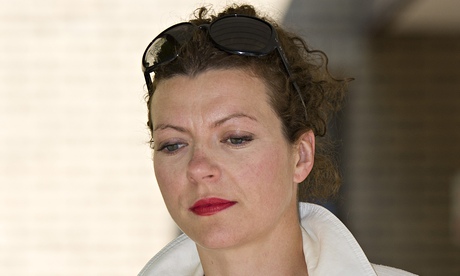
Hartley was Whitehall editor of the Sun. She, like many other Sun reporters, had loads of Murdoch money (over £17,000) she could trade for stories. One of her sources, a press officer at HMRC, slipped her 2010 budget briefings ahead of time. She was arrested, charged with conspiring to commit misconduct in public office, lost her career and looked in danger of losing her liberty, too. But Joe and Jo P did it again. Time and again, through a current run of trials, juries don’t bow down before governments defining their interests for them. They do a Ponting, redefining what they consider acceptable in a way that arguably leaves would-be regulators off the pace.
Chequebook journalism? Two words with a built-in sneer. “in mainstream US journalism, paying sources for news has long been out of bounds”, according to the Columbia Journalism Review. The “dominant newsgathering culture” deems it “taboo”. That was one reason why America’s mainstream sniffed when the Daily Telegraph here paid for MPs’ expenses records. Cash-for-yarns is supermarket tabloid business: quality reporters and editors don’t play. The Guardian and Observer’s editorial code – warning that we “do not generally” pay for stories, and that any particular payment has to be cleared up top – is a pretty fair summation of that position, with references to the 2010 Bribery Act duly registered.
Yet it’s also a wavy, sometimes fog-shrouded line. The old PCC code frowns on payments to witnesses and criminals, but heaps dollops of “public interest” justification in the pot. The new Independent Press Standards Organisation may wish to revise and tighten restrictions. And there are many reasons – from encouraging tainted testimony to sheer lack of money – for keeping chequebooks locked away.
But note that Professor Roy Greenslade, once editor of the Mirror, now media commentator for the Guardian, was a defence witness for Hartley. “There is nothing intrinsically wrong about paying for information,” he writes. “Journalists have been doing it for years and years. It has long been custom and practice, and not just at popular papers.”
The prof is a notably fierce about tabloid standards these days, not to mention the perceived weaknesses of Ipso, so it’s a bit of surprise to find him on the “custom and practice” side of the fence. OK, Hartley was a victim. She’s had an awful two years. She did what her newsdesk wanted, and was bullied along the way. OK, you can just about stretch the “public interest” to cover budget leaks. But perhaps there’s something bigger than that here.
Politicians are much reviled these days (from Plebgate to Mellorgate). Joe and Joanna Public, asked to sit in a jury box and consider a public interest defined “by what the government of the day says it is”, side with Hartley (and others before her). Issues of press and public morality are being settled in court, not by pondering drafters of codes far away. It’s a crude Belgrano bash on the nose for authority. But it is also the clear message of public opinion.