Climbing beans improve life for Rwandan farmers – in pictures
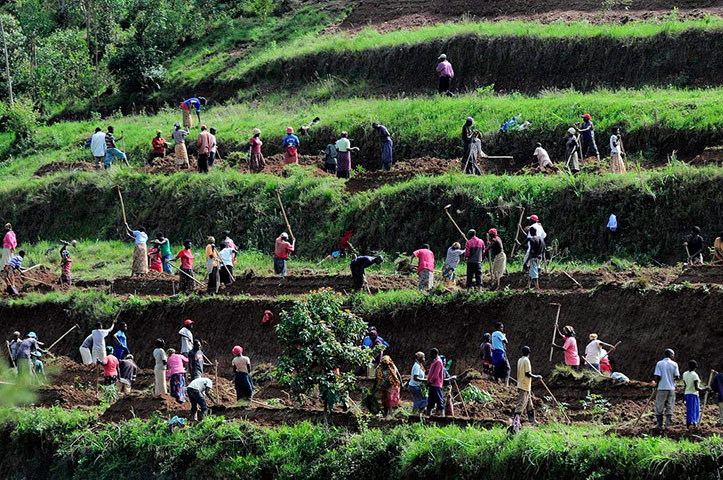
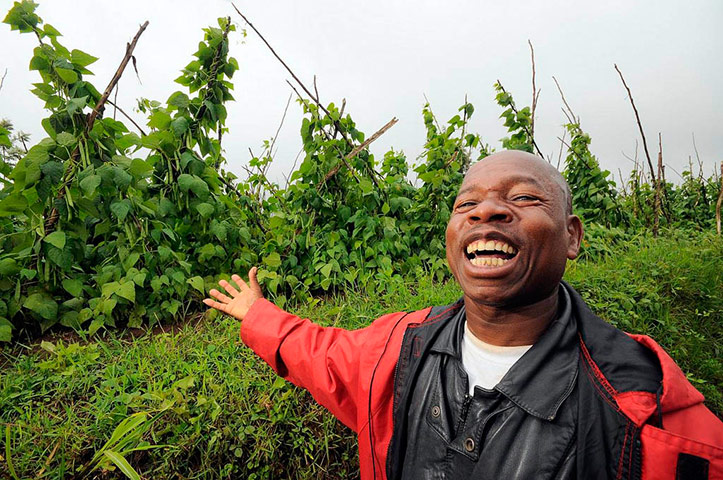
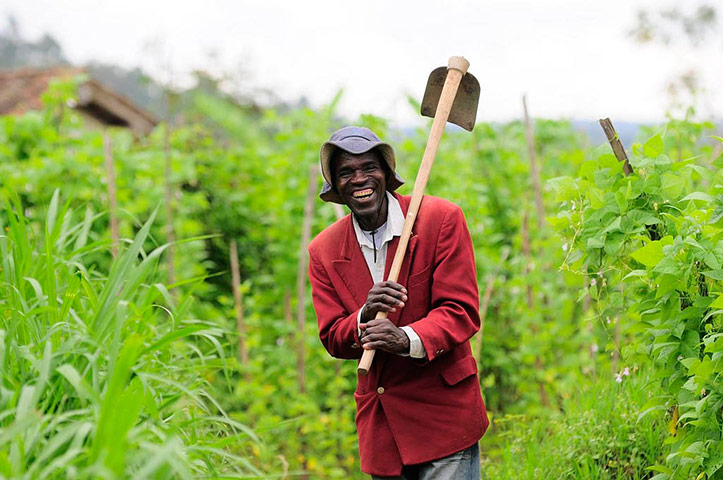
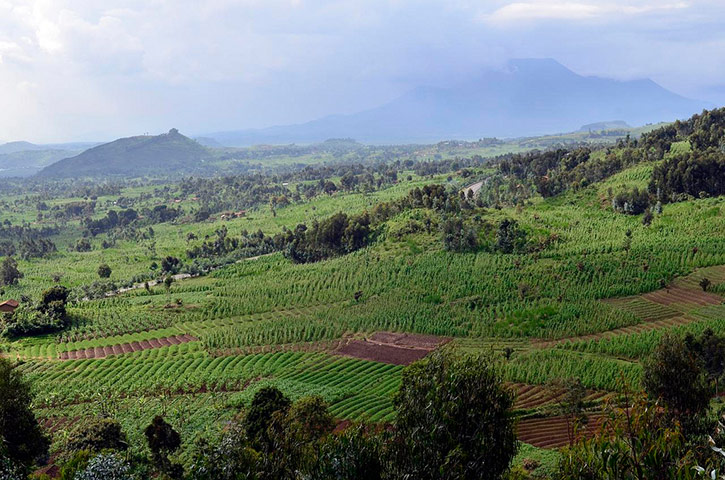
Farmers in northern Rwanda prepare land for planting. Already one of the most densely populated countries in Africa, the UN predicts that Rwanda’s population will quadruple by 2100, placing increasing pressure on the limited agricultural land. While beans are a staple food crop in the country, traditional bush beans produce poor yields and cannot support the country’s current populationPhotograph: Neil Palmer/CIATA climbing bean plant grows by wrapping itself around a stake. Because they grow upwards, climbing beans produce up to three times more food on the same area of land than bush beans. Following a 15-year effort by the Rwanda Agriculture Board, supported by a range of international partners and donors, improved climbing beans are now spreading rapidly across the country. Some of the improved varieties are more resistant to disease and others contain higher levels of iron or zincPhotograph: Neil Palmer/CIATJean Damascene Bizimana, 48, of Gicumbi district in northern Rwanda, with his plot of climbing beans. He has been trialling improved ‘climbers’ at his farm for several years. ‘When I see the pods like this – at this time in the season – I know it is money in my pocket,’ he says. With the money he has earned from climbing beans, he has installed a large water-harvesting tank and bought several cowsPhotograph: Neil Palmer/CIAT
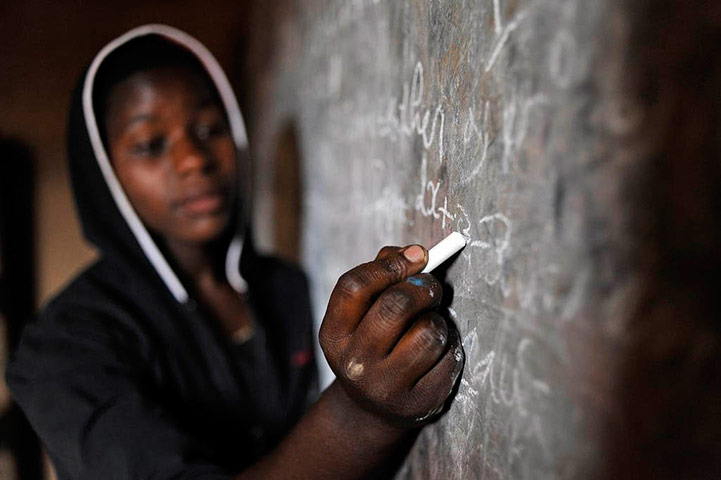
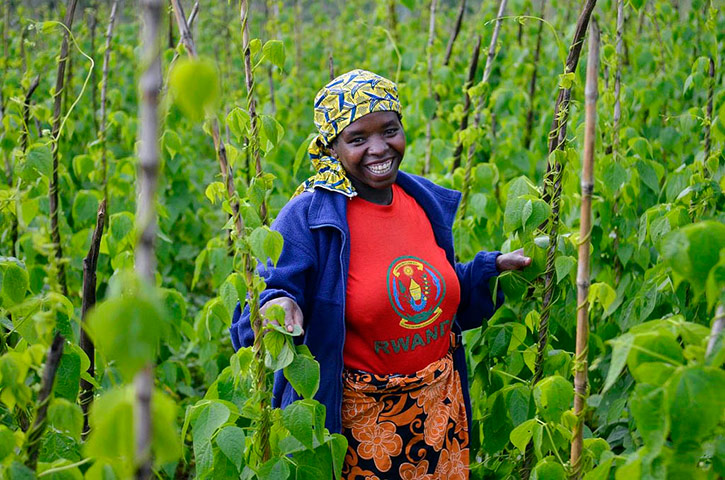
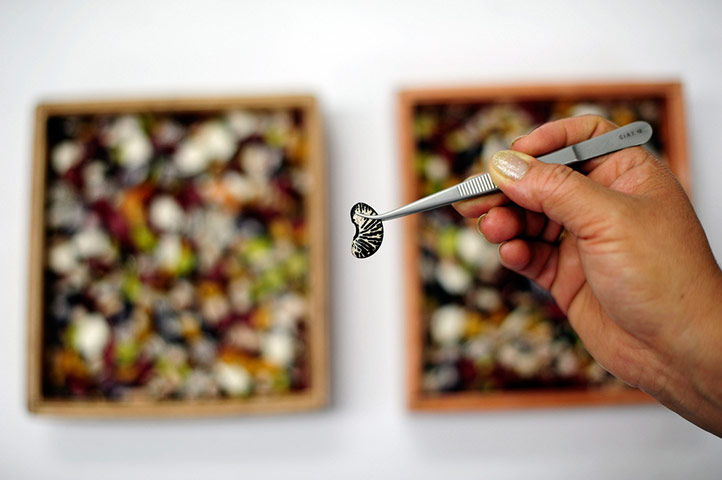
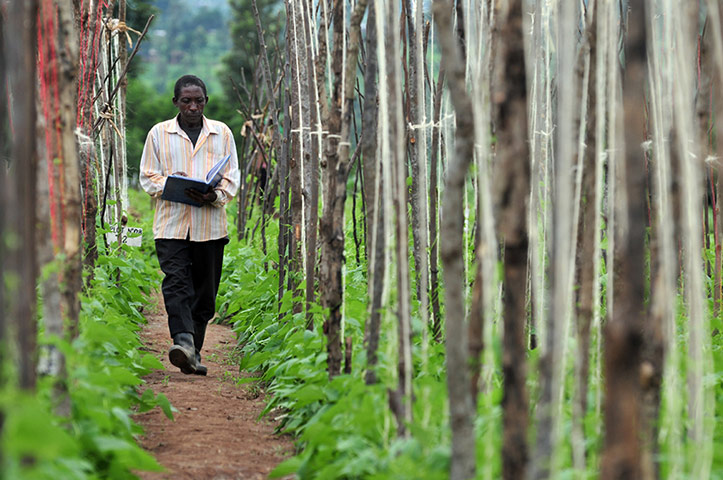
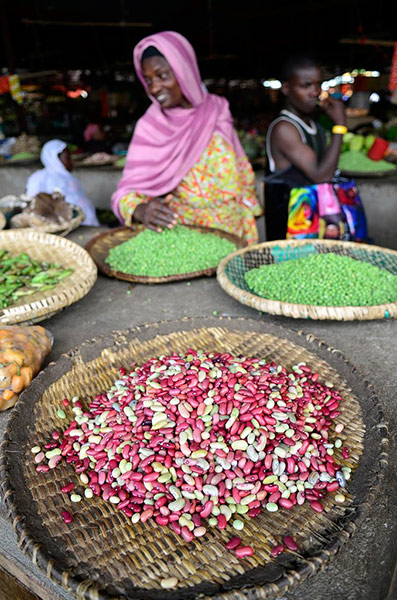
Igirimbazi Bizimana, 15, does her homework using a light powered by biogas. Her father installed a biogas generator with the money he earned from growing climbing beans. Igirimbazi's performance at school has improved since the light was installed. She wants to become an agronomist, to help her fatherPhotograph: Neil Palmer/CIATOlive Nakure, 28, in her climbing bean plot in Gikore village, in northern Rwanda. Since planting climbing beans instead of bush beans, Nakure has seen yields nearly triple. In 2010, with the money from the new beans and the support of her local women’s group, she bought a sewing machine. Last year she made around 500 school uniform jumpers, which she sells locally. She would like to buy a cow, to have a source of milk and manure for fertiliserPhotograph: Neil Palmer/CIATStanslas Binyavanga, 61, at his farm in Donrandi village, in northern Rwanda. The money he has earned from improved climbing beans has enabled him to pay school fees for his five children, and his eldest son is now studying law at university. He was also able to buy cows for himself and for his neighbours. Before, he used to struggle to harvest enough bush beans. He says: ‘Now life is good. I have enough beans for my family and for the market’Photograph: Neil Palmer/CIATBean varieties conserved at the gene bank of the International Centre for Tropical Agriculture (Ciat) in Colombia. Climbing beans originated in Latin America, and thousands of rare, endangered or extinct bean varieties are conserved at Ciat’s gene bank, with many duplicates stored at the Global Seed Vault in Svalbard, Norway, for safekeeping. Ciat distributes these climbing bean seeds to research institutions across Africa, for scientists to breed new varieties suited to local conditionsPhotograph: Neil Palmer/CIATA bean scientist from the Rwanda Agriculture Board inspects climbing bean trials near Nyagatare, in Rwanda’s eastern province. With the support of partners and donors, RAB tests the climbing beans to identify desirable traits, such as resistance to diseases, and improved varieties suited to the conditions in different parts of the country. The new varieties are then selected and tested in fields, and the most popular are prepared for official releasePhotograph: Neil Palmer/CIATClimbing beans on sale at a food market in Ruhengeri, in northern Rwanda. The rapid adoption by farmers of the improved climbing beans means Rwanda produces more beans than it can consume, and the country is now a bean exporter. Rwanda has also started supplying its own improved climbing beans to scientific institutions elsewhere in east Africa, for researchers to develop varieties suited to local conditions, helping them tackle food insecurity and malnutrition in their own countriesPhotograph: Neil Palmer/CIATA carpet of improved climbing beans near Rwanda’s north-western border with the Democratic Republic of the Congo. Work to adapt climbing beans to warmer, lower altitudes means improved varieties could be more resilient to the expected effects of climate change in the region. Tackling these challenges could mean that millions of smallholder farmers across Africa benefit from the work in Rwanda. A Ciat assessment of the impact of improved climbing beans in Rwanda and neighbouring Uganda is due to be published this yearPhotograph: Neil Palmer/CIAT
Sign up to read this article
Read news from 100’s of titles, curated specifically for you.