Climate Scientist Urges Action as Extremes Become the Norm in 2024
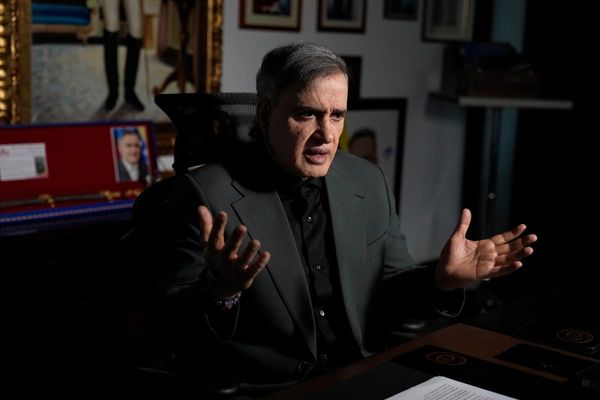
In a recent interview, leading climate scientist Catherine Hayhoe expressed her concern over the climate extremes witnessed in 2023 and warned that the trend is likely to continue in the coming year. Hayhoe, who has long been warning about the impacts of climate change, emphasized the need for collective action to mitigate its effects.
Reflecting on the events of 2023, Hayhoe admitted to being shocked but not surprised, as they align with predictions made by scientists over the last several years. The tangible experience of witnessing these extremes firsthand has reaffirmed her belief in the urgency of addressing climate change. She stressed the importance of looking beyond mere numerical data on a computer screen and recognizing the profound impact these events have on our planet.
Looking ahead to 2024, Hayhoe projects a pattern of increasing frequency and severity of climate extremes. While each year carries some variability, she emphasizes the steady, decade-by-decade rise in extreme weather events as a consequence of global warming. This upward trajectory necessitates collective action from individuals, communities, and institutions to confront this mounting crisis.
When confronted with the question of what individuals can do to contribute, Hayhoe highlights the power of using one's voice. She notes that individuals of all ages can play a role in promoting change within their spheres of influence, whether at home, in the workplace, or at school. By calling for change and demanding action, individuals can initiate the process of transformative change.
Addressing the concern of whether the Earth will breach the critical threshold of 1.5 degrees Celsius of warming — a point at which adaptation becomes increasingly challenging — Hayhoe dismisses the notion of a single magic threshold. She underscores that every fraction of a degree matters, drawing an analogy with smoking and its incremental health risks. While efforts to curb warming have adjusted the trajectory towards a less severe outcome, she emphasizes the need to strive for the lowest possible level of warming to minimize the impacts on our planet and society.
Despite the discouraging narrative that often surrounds climate change issues, Hayhoe offers a message of hope. Acknowledging the fear, sadness, and frustration felt, particularly by younger generations, she also highlights the growing concern among Americans. Data from recent polls indicate that a majority of the population, across political spectrums, acknowledges the threat posed by climate change. Hayhoe emphasizes that this collective awareness and concern is a rational response to the crisis.
Ultimately, she reflects on the fact that the future remains unwritten and firmly believes that actions taken today can shape a better tomorrow. Every decision and every fraction of a degree of warming matters. Hayhoe invites all individuals to recognize their power to effect change and defines hope in our ability to consciously determine the course of our future.