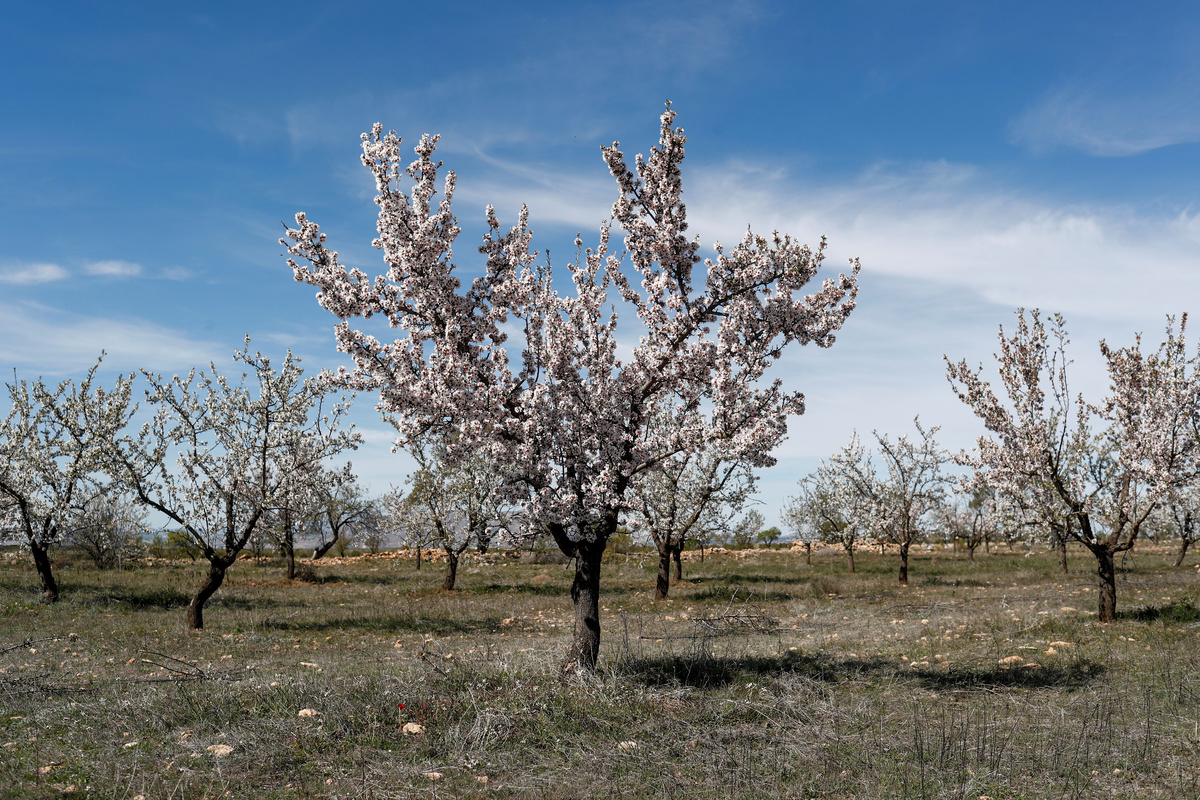
In one of the driest corners of Europe, Manuel Barnes has watched the soil become healthier since he started growing almonds using techniques aimed at bringing new life to the land.
Barnes and his neighbours in southern Spain are turning to pre-industrial methods they hope will avert the risk of their land turning into desert to grow crops that command higher prices from increasingly environmentally-aware consumers.
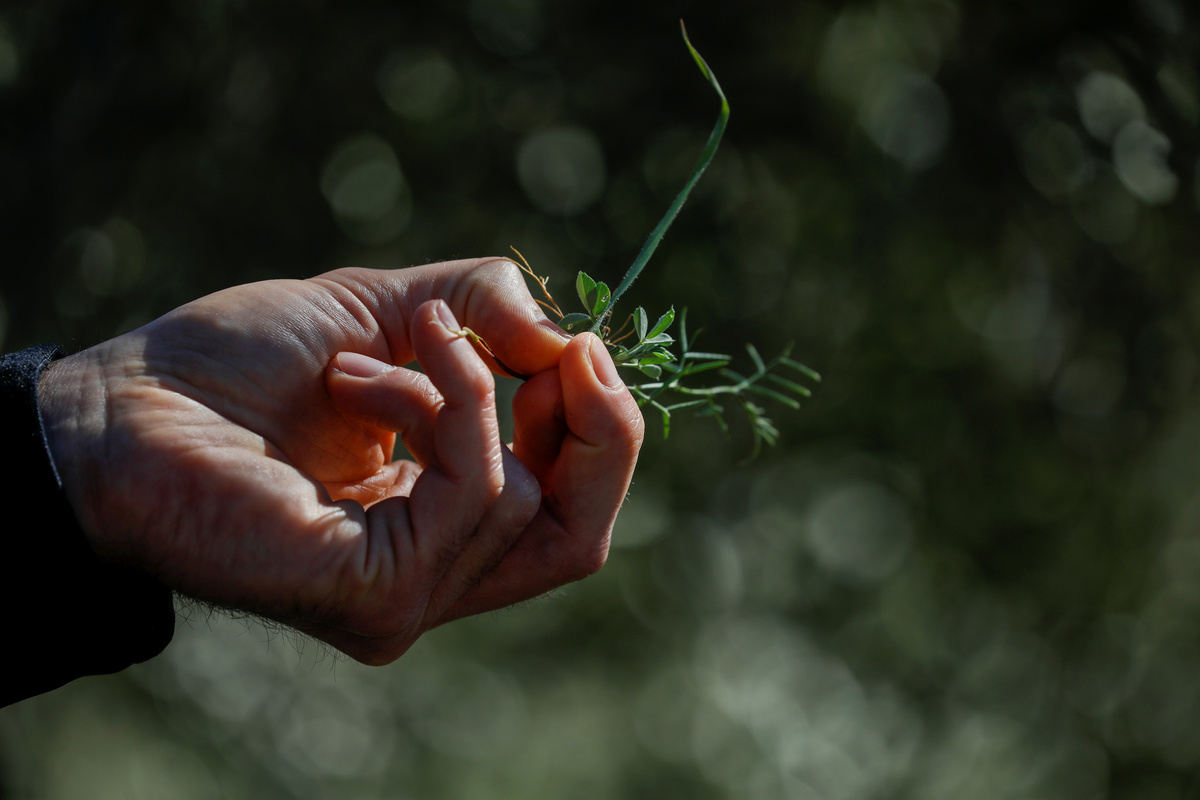
Part of a growing international movement to harness the power of the soil to combat climate change, they leave grassy plants to wither in the fields, forming fertiliser that protects the soil, and have reduced tilling.
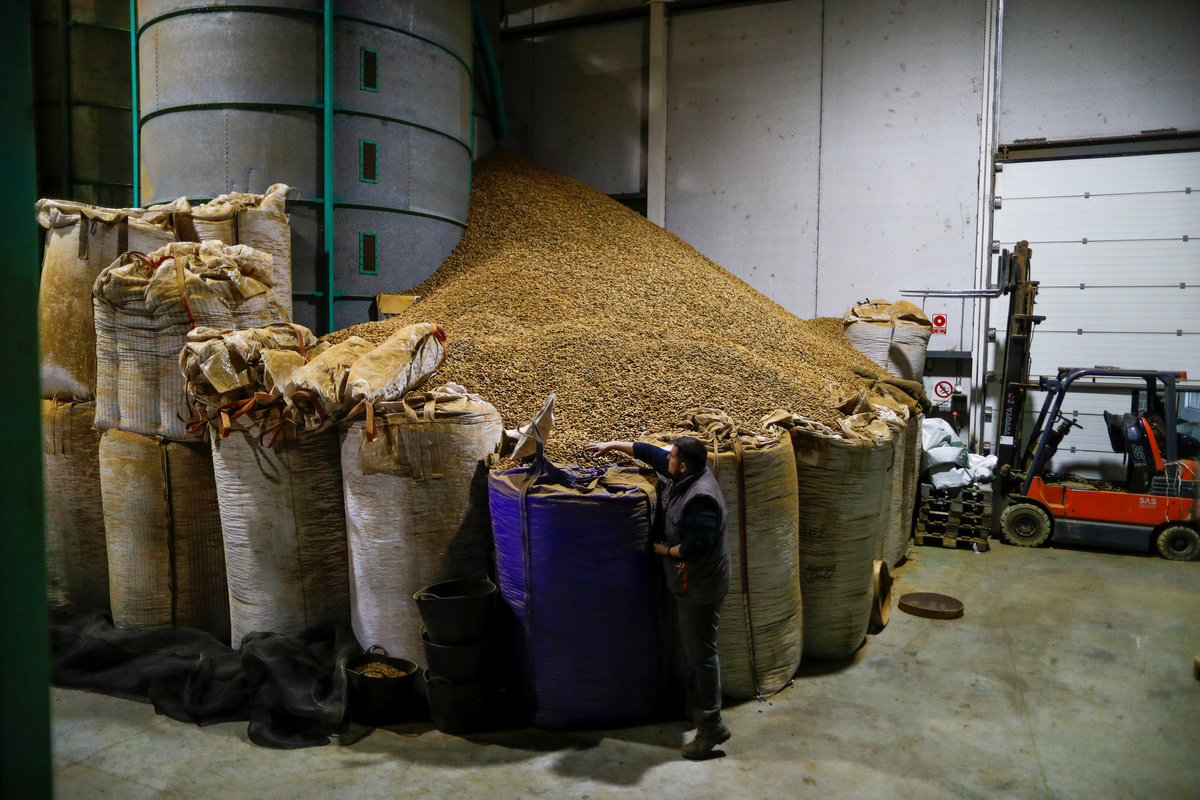
"The soil here was poor, degraded, pale and lifeless. Now it has changed colour, the structure has changed, it's looser," Barnes, 35, said at the hangar where his family has processed almonds, one of the area's most prolific crops, for 40 years.
When Spain imposed some of Europe's most stringent curbs on movement in March to deal with the spread of the new coronavirus, Barnes managed to make some deliveries to markets including Germany, and kept employees busy with maintenance.
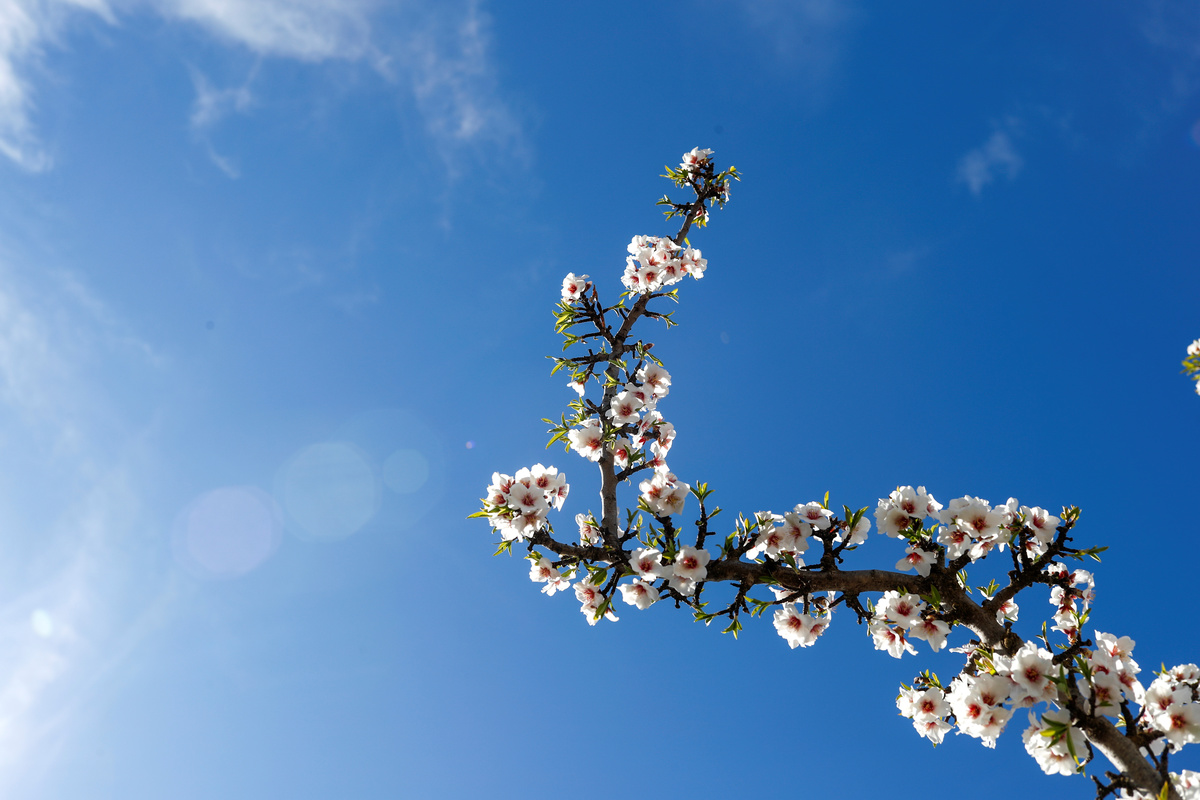
Demand evaporated just as predictions of a bumper harvest pushed down prices, leaving him braced for a marked, but not ruinous, drop in income this year of 20,000 euros ($21,794).
But while finances waver, the land looks stronger, with more insects visible among the plants, indicating strengthening biodiversity, and offering the farmers hope for the future.
"If you leave the land alone it regenerates ... the lockdown has been good for the land and the countryside," Barnes said.
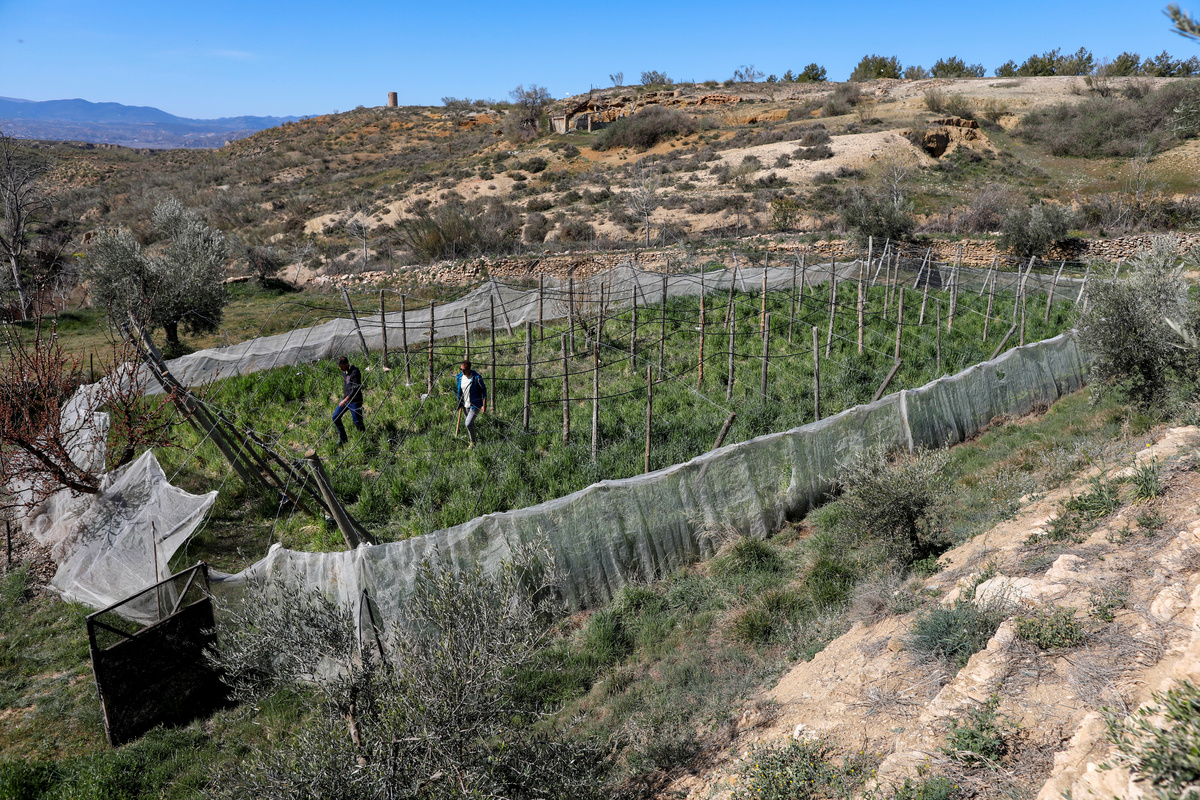
More than a third of land globally is degraded in some way, according to the United Nations.
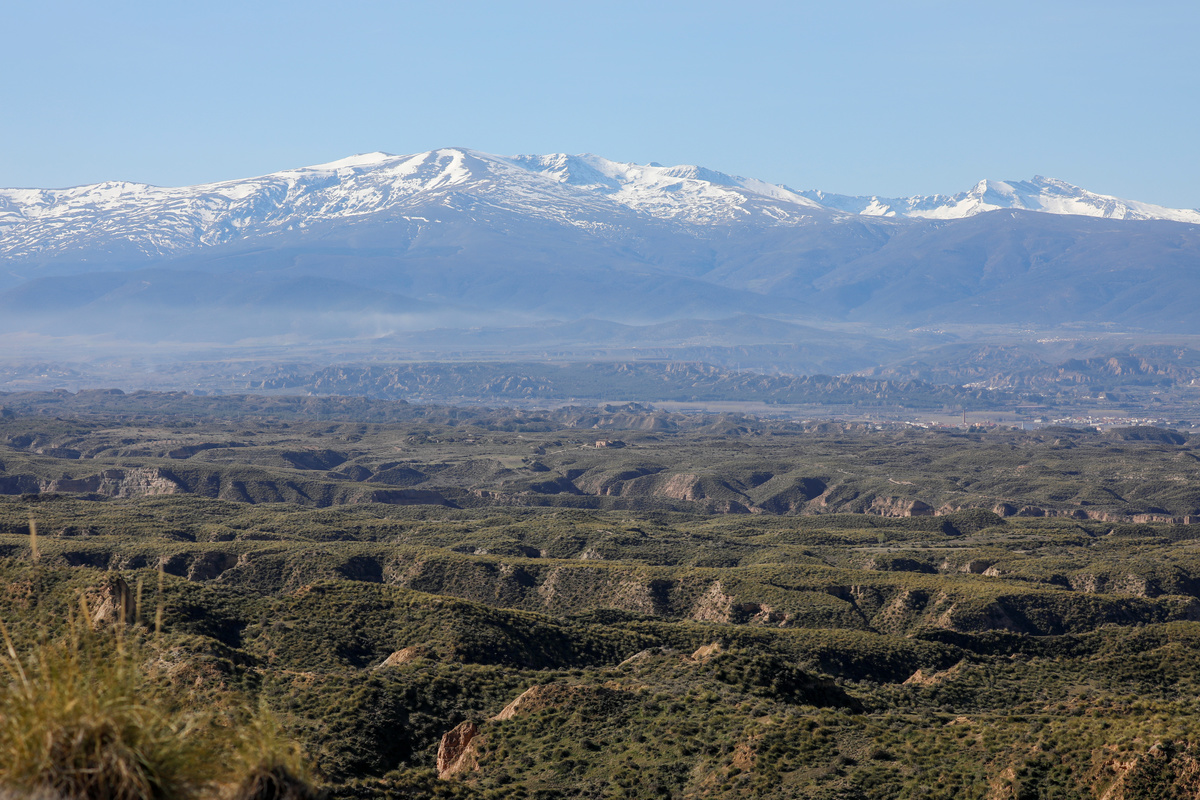
But this stretch north of the ancient Arab stronghold of Granada shows it is possible to transform challenging landscapes, said Amsterdam-based foundation Commonland, which aims to support businesses to restore the landscape.
Commonland helped set up an association named AlVelAl, after the districts it spans, and an almond marketing company called Almendrehesa. Membership of AlVelAl has risen from 30 to 282 in four years.
Almendrehesa Chief Executive Frank Ohlenschlager, who sells to German health-food brand Rapuntzel Naturkost and British cosmetics chain Lush, believes consumers have become even more receptive to concepts like regenerative agriculture as the virus disrupted people's lives and forced them to reflect.
"Everything we proposed before COVID-19 has taken on a new value for people. There is more awareness now that there is something wrong with our food system," he said.
Both Ohlenschlager and Barnes expect international demand to hold up, but say selling at home may get tougher as Spain teeters on the brink of recession.
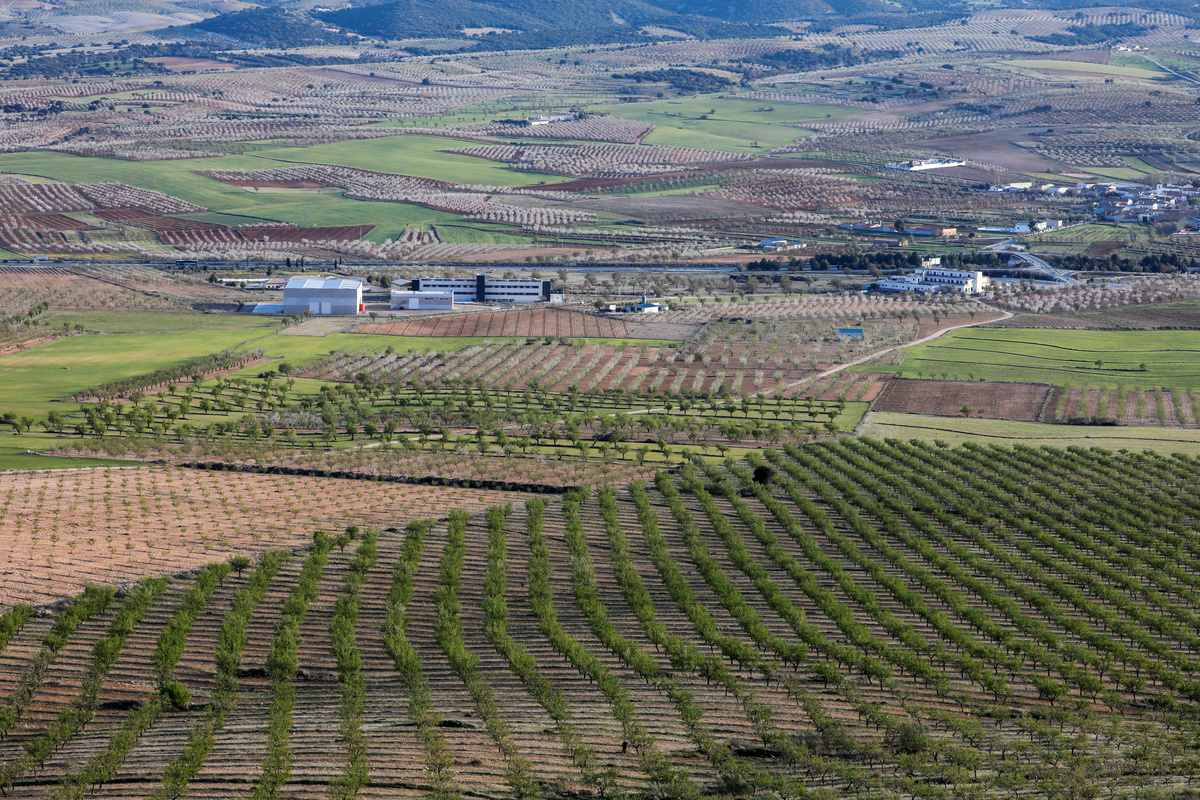
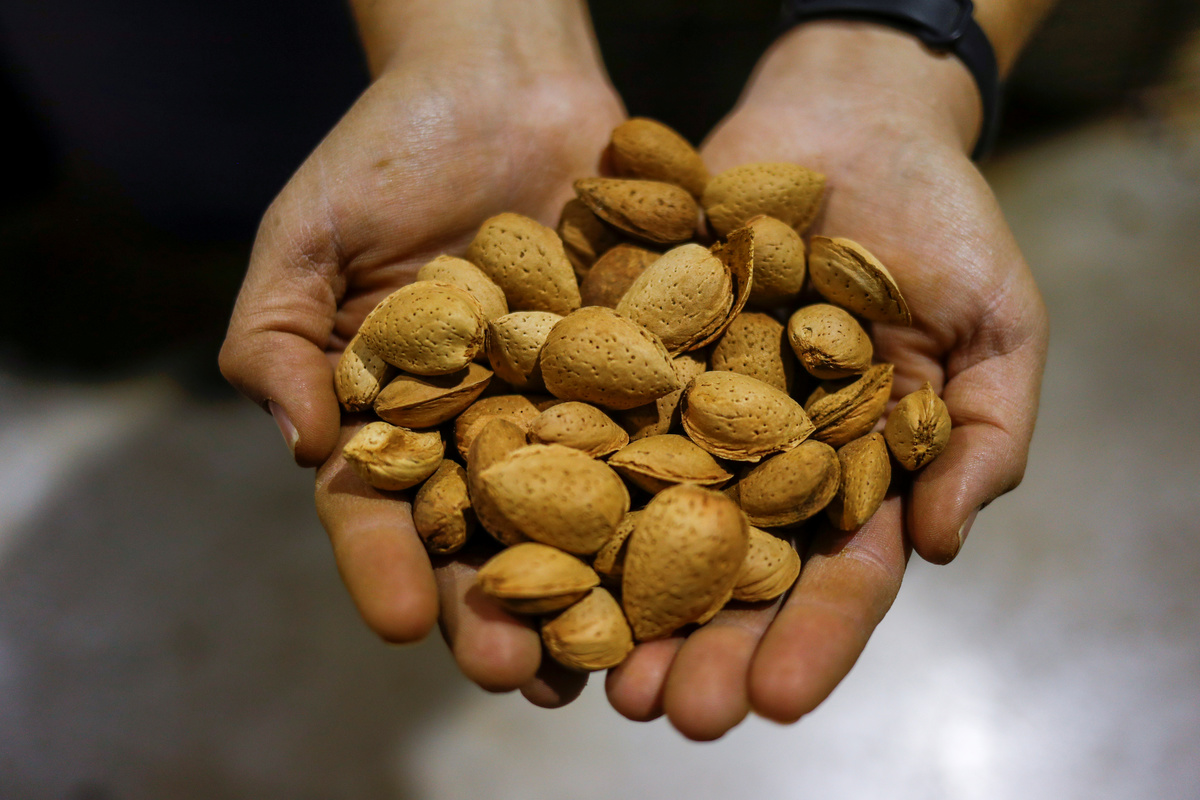
Ohlenschlager, whose almonds fetched as much as 8.45 euros per kg last year while the conventionally grown variety sold for 5 euros, said: "I will need to re-think prices a bit for the domestic market, where possible."
(Editing by Janet Lawrence)