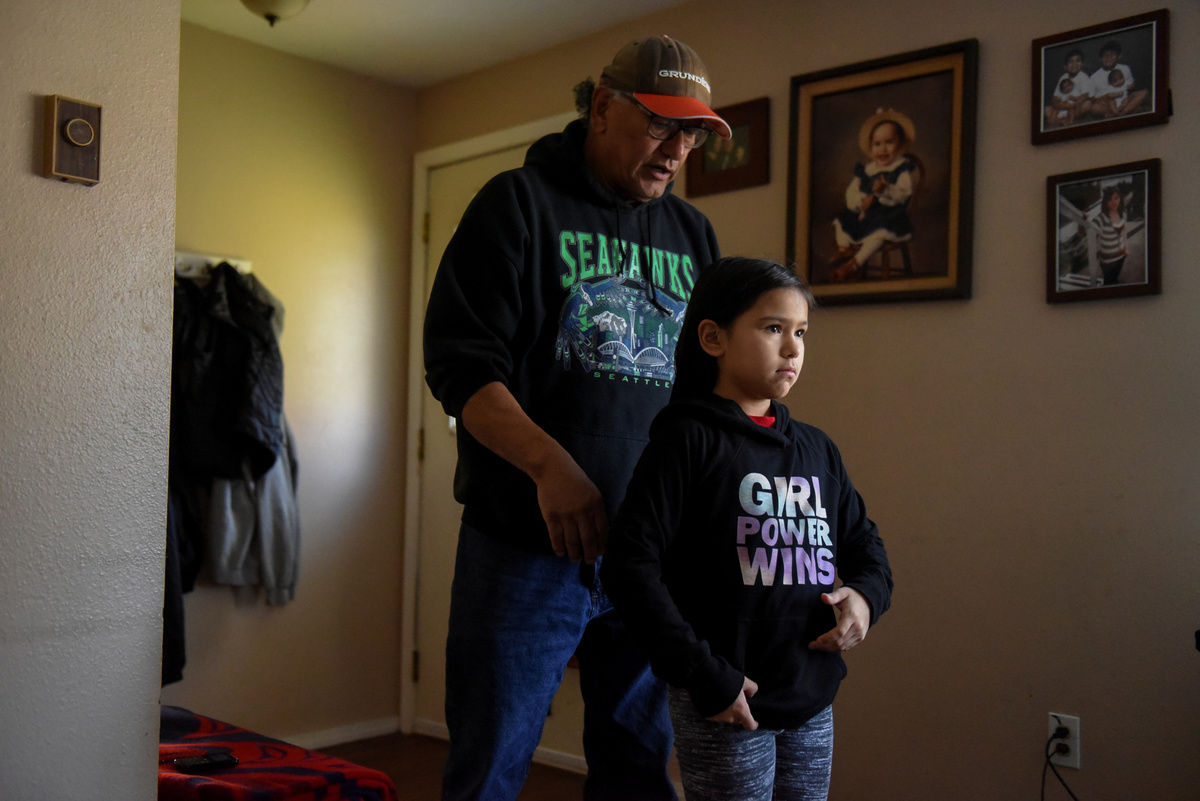
Long before Europeans set foot on this rugged stretch of Pacific coastline, Francis McCrory's ancestors rowed wooden canoes to catch a bounty of salmon, enough to feed the entire Quinault tribe.
As the generations passed, the fish would be so plentiful, the tribe even had a surplus to barter with early Dutch traders.
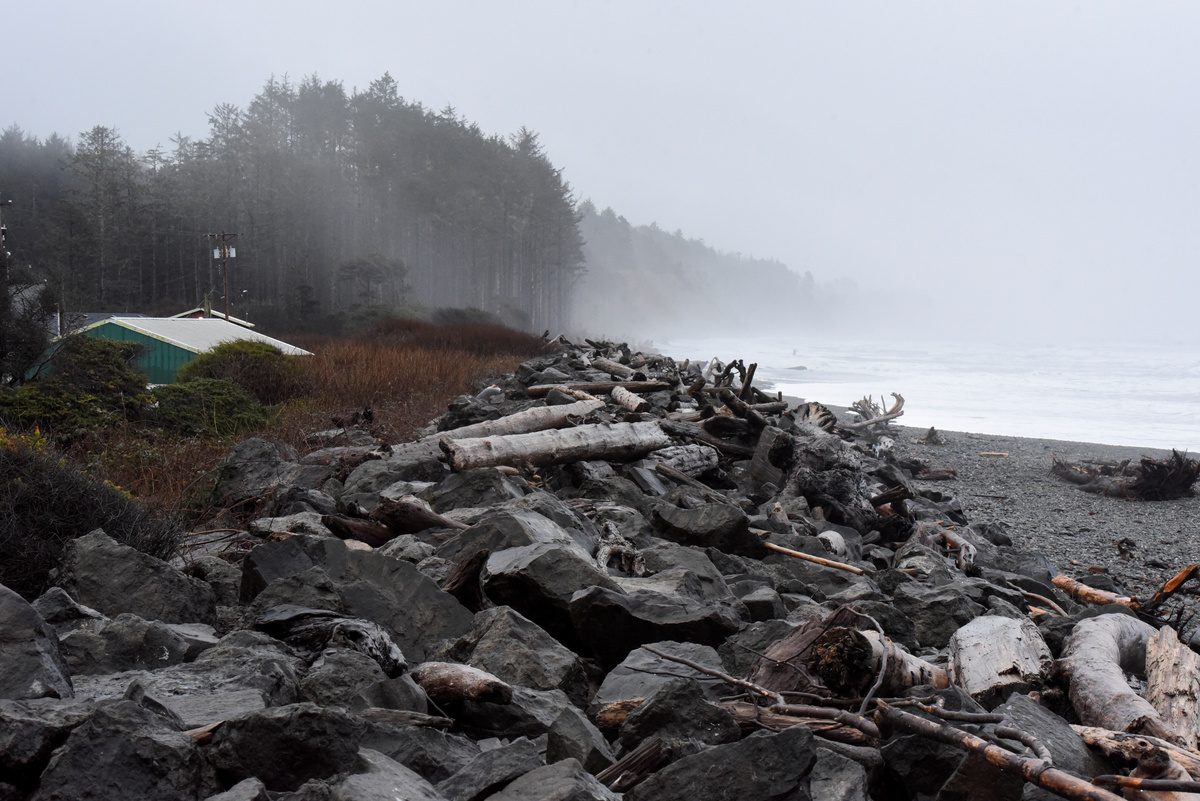
These days, McCrory pilots a motorboat instead of the canoes of his forefathers. And he sees no future for his family on the water.
"It's a sad situation," said the 68-year-old, who goes by the nickname JR. "I worry about my grandkids and what it's going to be like for them. We are stressing to them to get real jobs."
McCrory is one of millions of people around the globe on the front lines of a losing battle with climate change, their lives changed utterly by its impact on politics, economies and culture.
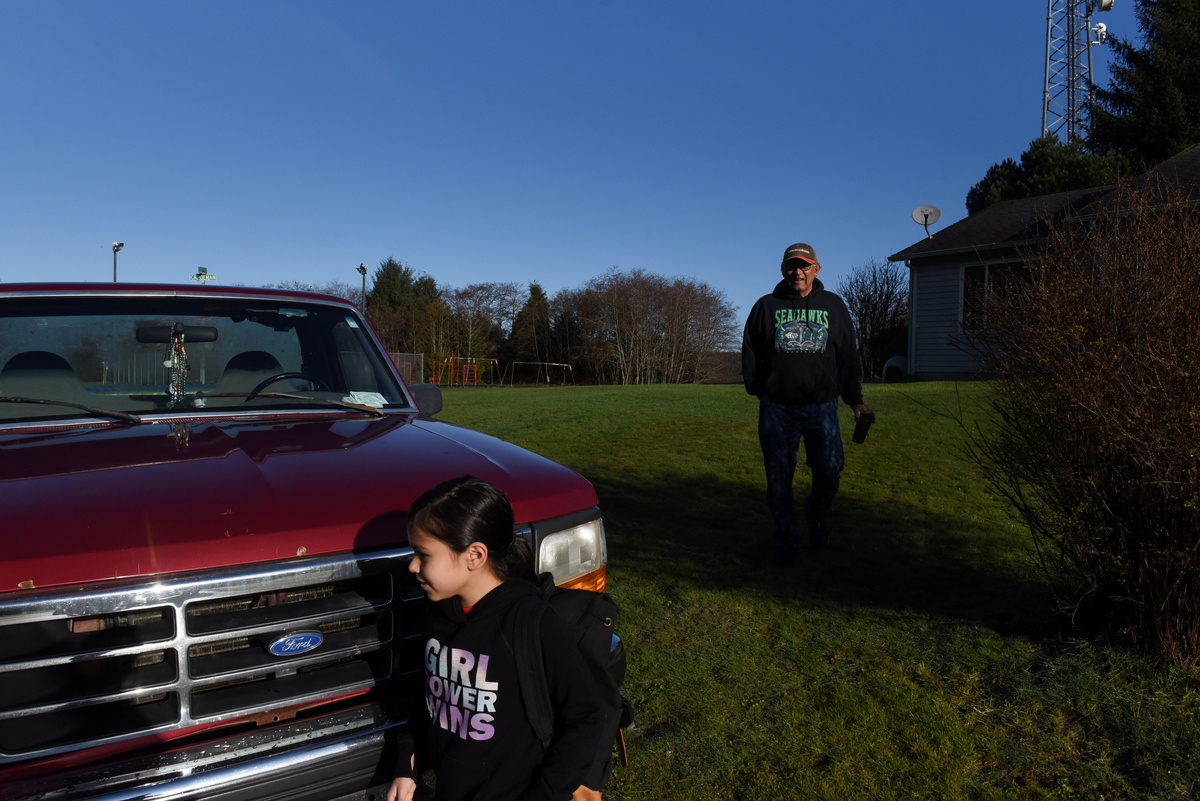
Climate change is even threatening McCrory's home village: Rising seas have forced the Quinault tribe to begin moving hundreds of residents of Taholah to higher ground.
McCrory started fishing salmon when he was 12, using a skiff to haul nets filled with salmon with his father.
"There was a lot of salmon in those days – all species – coho, steelhead and our sockeye, the blueback," he said, referring to a species unique to the region and prized by the tribe. "You could make a good living in those days."
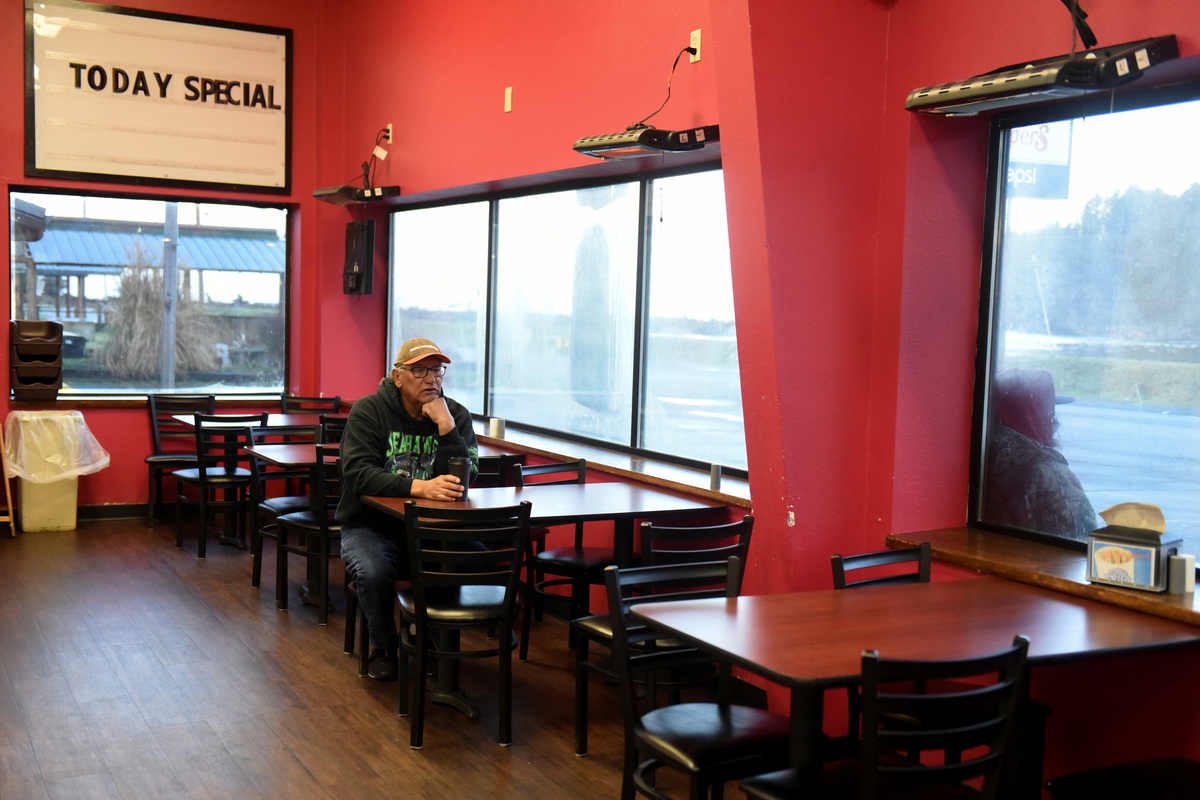
McCrory still fishes for a living, but he says it takes hours of work to land a few salmon, and he hopes his 33 grandchildren will avoid the hard lifestyle.
The tribe has also banned fishing for the blueback species for the past three years because of low numbers, keeping him off the water during their spring run.
He and other fishermen now supplement their income by taking tribal government jobs, clearing riverbanks of debris in what is called "village beautification."
"They try to hire as many fishermen as they can so they can get some income," he said. "You don't get rich, but you can make money and pay your bills."
The salmon still features heavily in tribal iconography. One is painted on the entrance to the tribal council office, another carved into a totem pole on the main street. It is also a traditional meal at family gatherings and tribal rituals, cold smoked on cedar planks.
Last year McCrory and his siblings traveled up north along the coast to buy a sockeye from the Lummi tribe for their family reunion because none were available closer by. But he said, "It just didn't taste the same."
(Reporting by Valerie Volcovici; editing by Kari Howard. Additional reporting by Stephanie Keith.)