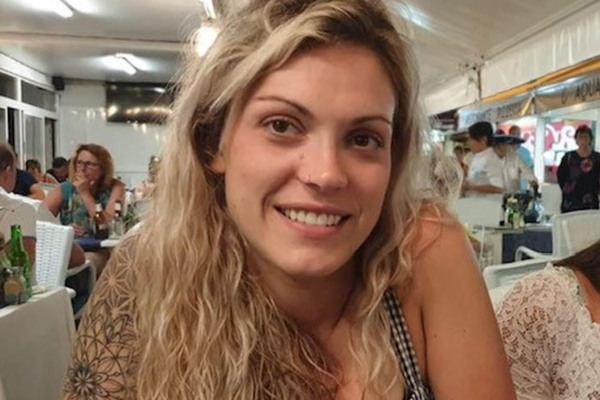
Live coverage of climate change Q&A with one of the Lib Dems' rising stars, Chris Huhne.
Click refresh for the latest updates
So, after a few technical hitches earlier this week trying to live blog the Ming Q&A from the conference press room - mostly owing to the fact there are three TV screens for around 100 journalists - I am going to attempt to blog this from inside the conference hall.
Here goes...
The panel includes: Chris Huhne, Lib Dem environment spokesman, councillor Paula Barker of the LGA environment board, Tom Burke, environmental policy adviser to Rio Tinto plc, Chris Rapley, director of the science museum, James Cameron, of Climate Change Capital, Vicky Pope from the Met Office, and Baroness Miller in the chair.
The critical point is are there more draconian measures that should be taken to tackle climate change? The panel is asked.
Tom says this is a problem that's getting worse, there is a shortage of time.
Chris R says there is no silver bullet, no technical fixes. Not only is climate changing faster than we expected but the evidence that action should be taken is growing.
Paula says it's important to make changes now to improve things for the future.
James says it's important not to be draconian but there is a role for regulation.
Next question: how do you change things without legislation?
Chris R warns that half of the British public is in doubt about the evidence on climate change, once they are convinced, it will be easier to persuade them to change their ways.
Tom says that we are going to have to get people to play their part.
Next the panel is told that China is developing two new coal-fired power stations each week, what can be done about it?
It emerges that James has just come back from China. "We have to concentrate efforts on minimising the use of coal and that rapid growth rate," he said.
"Plus we have a lot in common with the Chinese. First, we share the same air and second, we can benefit from their economic success.
"They want to develop a circular economy, recycling and reusing what they produce and a harmonious society that works with its partners."
China is just as likely to be an ally in the solution to climate change, as it is in its creation, James says.
Tom argues that we in Britain need to see this as a central issue for Europe and Britain's role in Europe, not just as an isolated country on its own.
Chris H responded next but the connection in the conference hall is incredibly slow and my screen was in a saving freeze as he spoke - sorry!
James insists that China is the most important country in the world for climate change.
The panel is told that we already have a robust policy on carbon emissions and asked, shouldn't we also have one on the impact of climate change?
Vicky says we are already having to adapt to the changes that are happening.
Baroness Miller sums up her point: "It's not about spending more money, but spending it differently."
Chris R says adaptation is already underway.
In response to the next question, Chris H explains a dilemma he has discussed with Sir Menzies Campbell.
During an election how do you get your message across without the use of flights?
Offsetting is one solution, he says.
Tom offers that a policy prospectus that tells people not to do things they want to do is not likely to succeed. Therefore, he suggests a "hard transfer of resources" from industry to low carbon technology.
James talks about biofuels, traffic controls and other measures for reducing emissions and improving efficiency, but industry will have to pay its way in terms of carbon costs, he says.
Next question: Does the planning white paper pose a threat not just to democracy, but to the environment?
Chris H says there will have to be some tough national decisions taken. "We do need to get renewables up and running."
Tom says he doesn't believe this proposal is well intended.
Paula says the last way to win hearts and minds on this is to take power away from their elected representatives and give it to quangos.
The topic moves to extreme weather conditions and emergency planning. Vicky says the Met Office was able to predict the floods earlier this year much more than previously.
"What came together to cause it was an unusually strong jet stream and warm sea surface temperatures. It was a very unusual set of events."
Paula says we need the very best information the Met Office can give us.
Chris R insists that in Britain we have one of the best Met Office services in the world.
Vicky says it's important to move the science on to information people can use to adapt to climate change and plan.
Chris H said that after visiting the flood areas it was obvious the emergency procedures worked well.
"The real failing particularly in areas like Yorkshire and Hull, was not protecting critical infrastructure, like pumping stations. We do need to get this right," he said.
Lastly, the panel is asked if things like Formula One should be banned to save the planet.
There is agreement on the panel that it probably wouldn't work.
Baroness Miller asks for final soundbites.
Chris H offers: "It's time to stop talking and setting targets and actually take steps to tackle climate change."
Paula tells local councils: "Just do it and tell people why you are doing it."