Climate change pushes farmers in India to the tipping point – in pictures
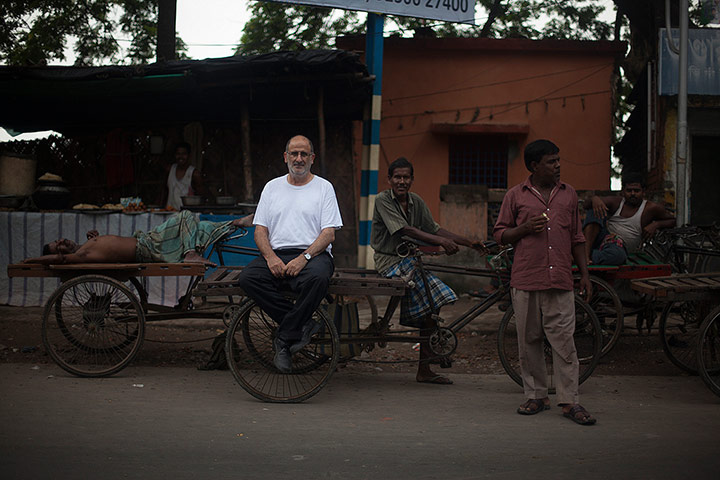
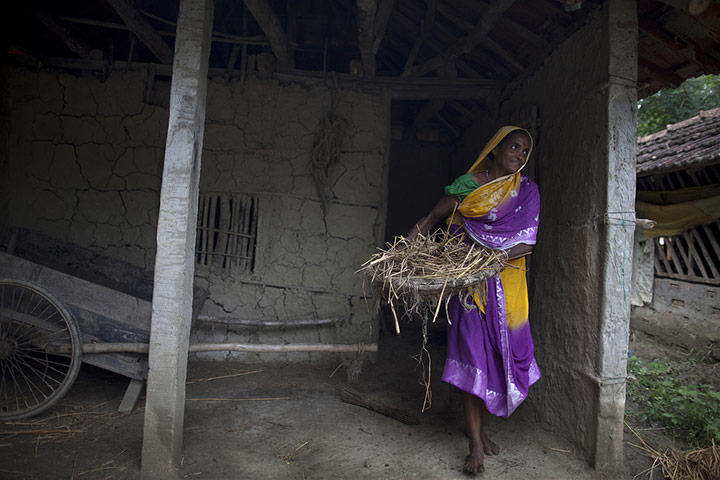
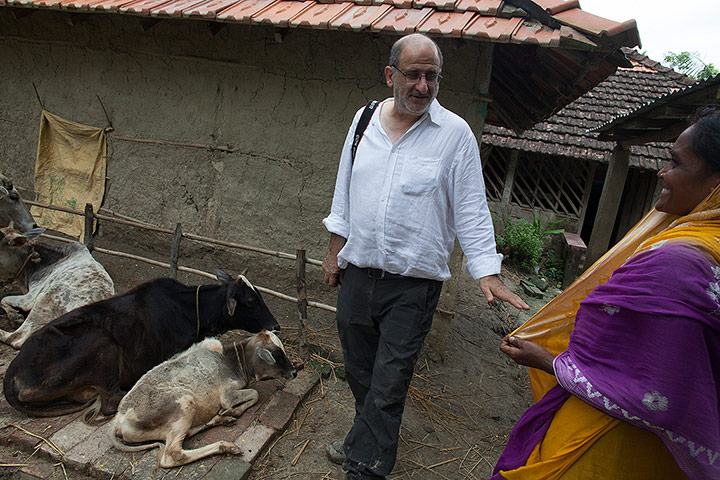
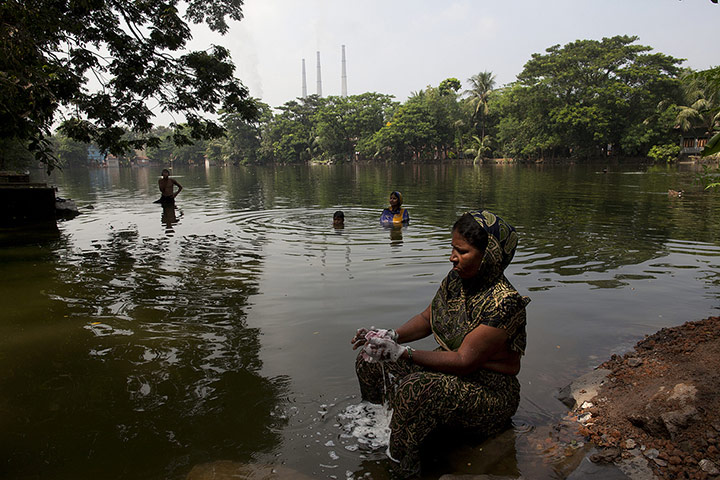
In his childhood home of West Bengal, Gerry Judah spent time with vulnerable farming communities who are having to cope with unpredictable changes in the climate and rising sea levels Photograph: Elizabeth Dalziel/Christian AidMany of India’s 360 million poor people, who live in the shadow of its economic and industrial revolution, and insatiable thirst for energy, have little access to the national grid or the benefits it brings. India is the world’s third largest producer of coal, a fuel that significantly contributes to global carbon emissionsPhotograph: Elizabeth Dalziel/Christian AidThese vulnerable communities, who live hand to mouth and barely contribute to the country’s vast carbon output, are the first to feel the harmful effects of the changing climate as they struggle to grow and harvest their cropsPhotograph: Elizabeth Dalziel/Christian Aid
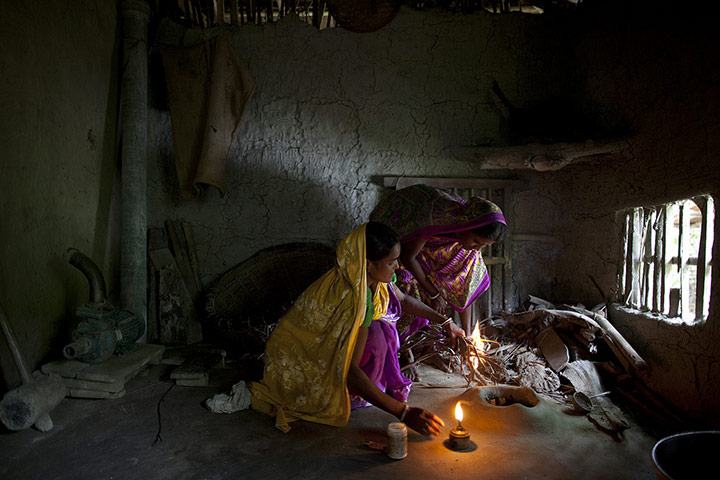
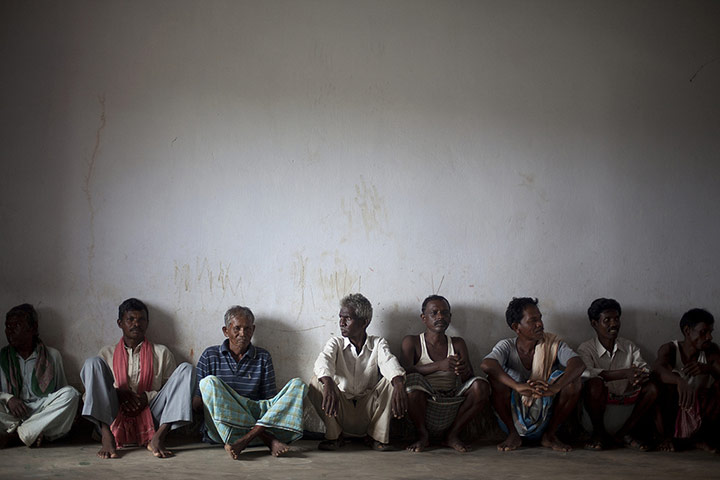
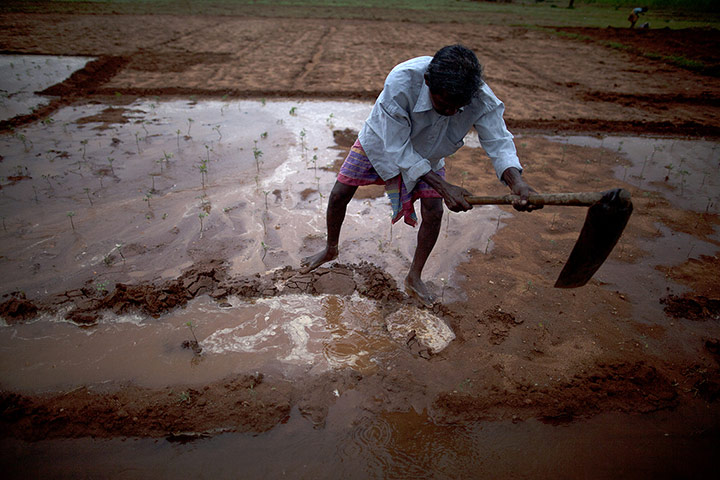
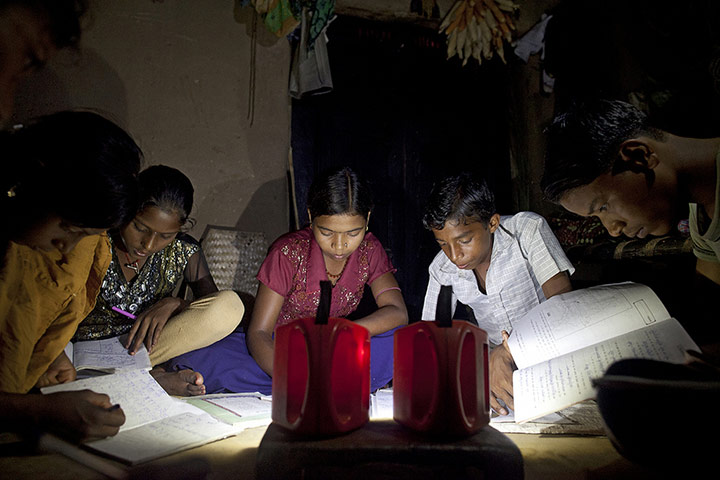
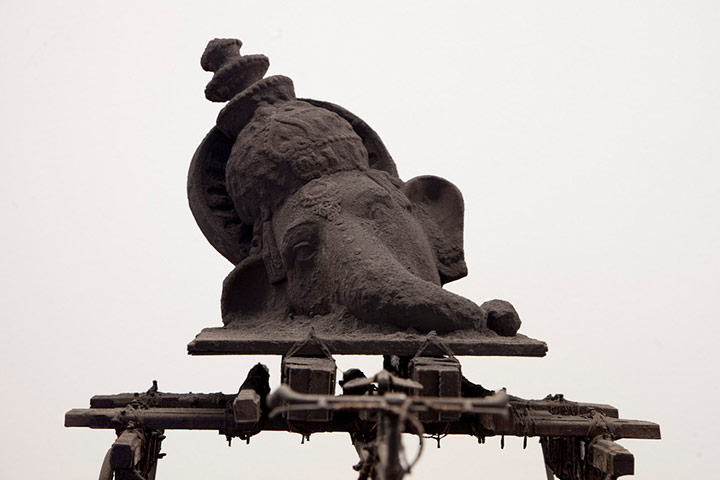
Poor and subsistence farmers, who make up about 40% of the population, are among those worst affected by climate change in India. When the resulting droughts, floods, erratic rains and rising sea levels destroy their crops, homes and businesses, they are forced to adapt, recover and survivePhotograph: Elizabeth Dalziel/Christian AidBanshi Hansda, 50, works on communal land with his wife Khagia Devi, 45, in Lalpur village, where a lift-pump irrigation system has been installed by local NGO SamvadPhotograph: Elizabeth Dalziel/Christian AidGauri Mondal’s family, who live in a coastal flood-prone area, survived on a diet of rice after flash floods and erratic rain caused their crops to fail. Learning how to grow different vegetables, spices and fruit simultaneously, which can withstand the wet environment, means they now eat a varied diet and have three meals a dayPhotograph: Elizabeth Dalziel/Christian AidOff-grid communities, once dependent on polluting and harmful energy sources such as wood-burning stoves and kerosene, are learning to produce clean, sustainable biogas from cow dung. Many – with support from Samvad – use solar lanterns for light in the evening. The communities most affected by changes in the climate are learning to adapt using renewable energyPhotograph: Elizabeth Dalziel/Christian AidJudah met farmers who are adapting the way they farm, diversifying their crops in variety and hardiness, so that they are more resilient when disaster strikes Photograph: Elizabeth Dalziel/Christian AidJudah says: ‘Here is a country that’s growing rapidly … The metropolis is getting bigger, but among all that I found there were communities of people living on the edge of poverty – people living in the worst conditions, farmers having trouble growing their crops, because the pollution is so vast. And I found that distasteful, this inequality’Photograph: Elizabeth Dalziel/Christian AidOne of Judah's works for the Tipping Point exhibition at Wolverhampton Art GalleryPhotograph: Matthew Gonzalez-Noda/Christian Aid
Sign up to read this article
Read news from 100's of titles, curated specifically for you.