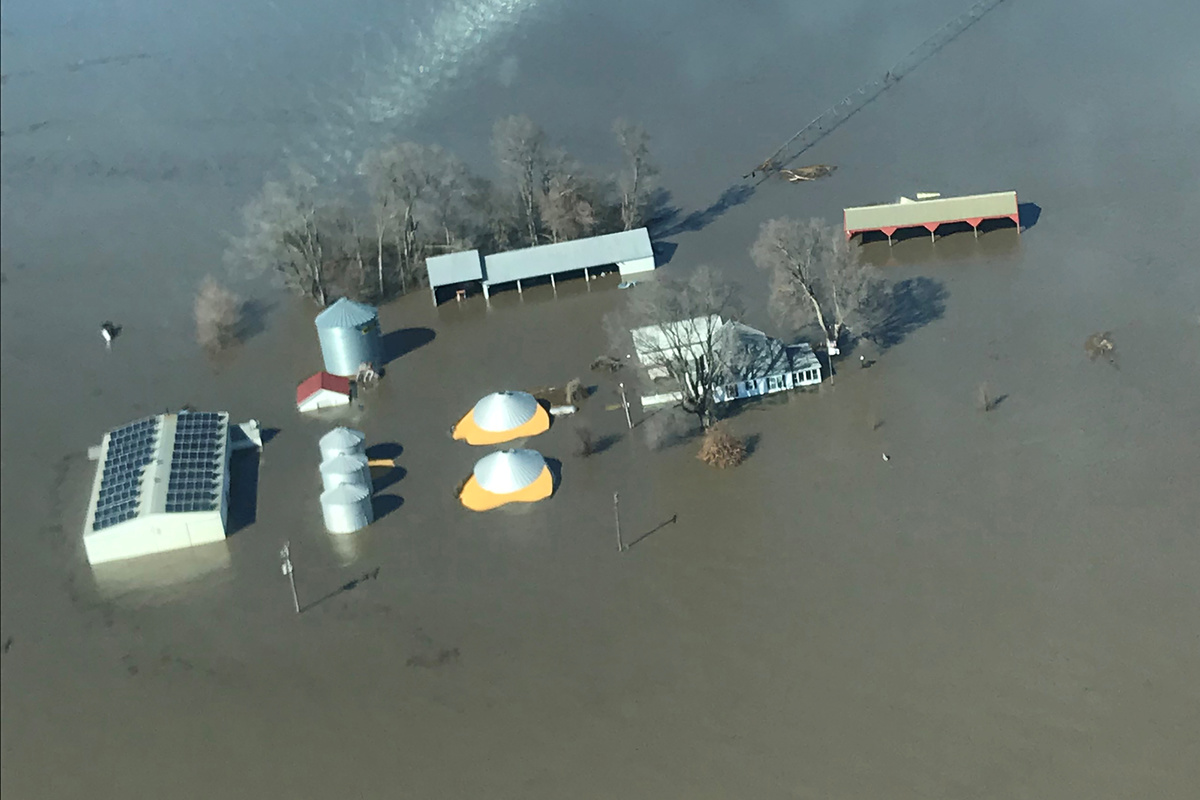
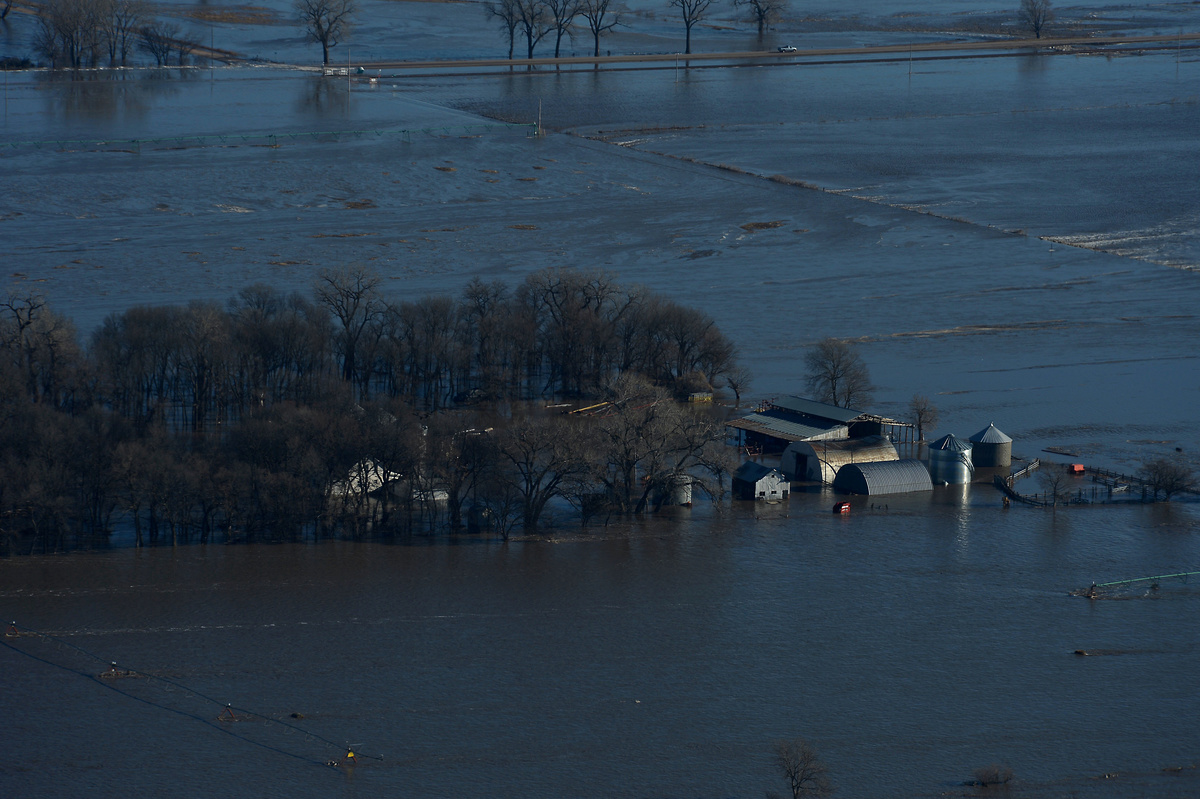
NEW YORK (Reuters) - After historic floods devastated Midwestern agricultural states this spring, some fund managers are evaluating how climate change will affect the long-term value of companies that make or sell products ranging from tractors to fertilizer.
The issue is not simply the unpredictability of weather. Instead, fund managers say, they are struggling to model how extreme weather events from droughts to more powerful storms will affect commodity prices and, in turn, spending by farmers on equipment or seeds.
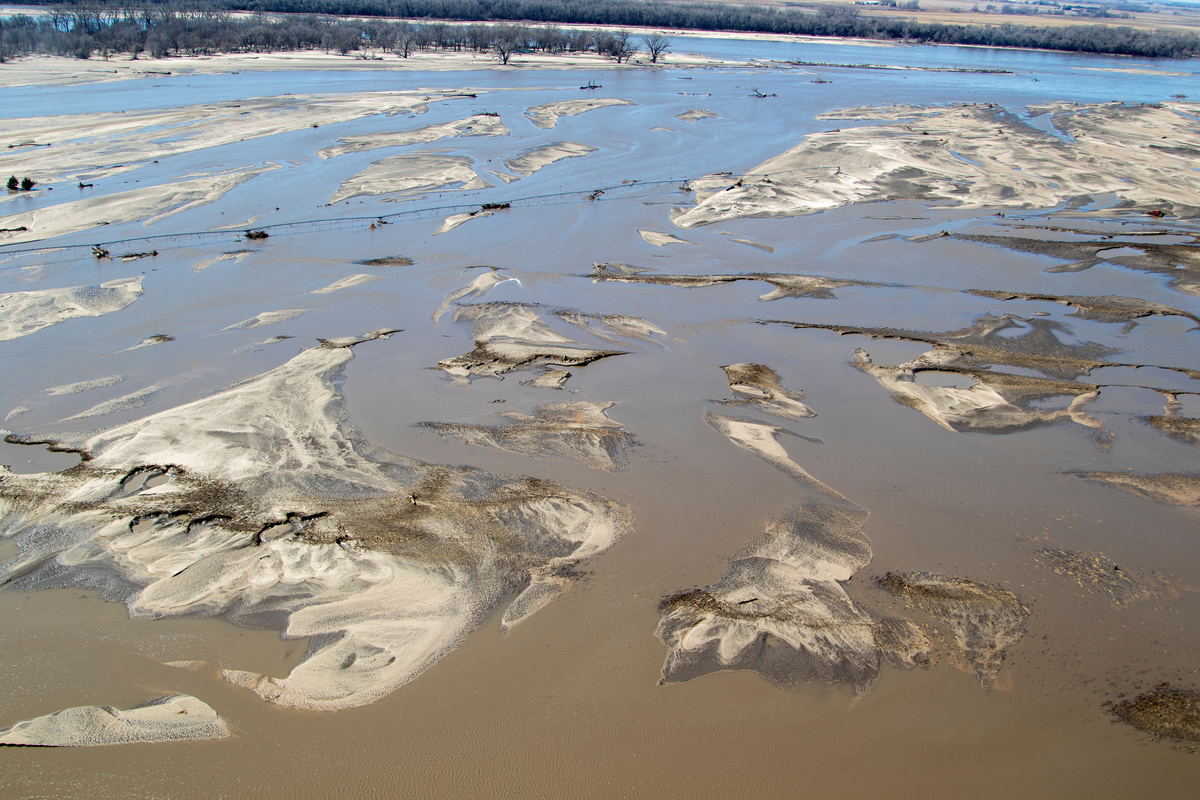
In November, the U.S. government published a report that found climate change will boost costs in industries including farming and energy production by increasing the frequency and severity of storms. The U.S.-China trade war has also clouded the outlook for U.S. farmers.
Early estimates of crop and livestock losses from this year's floods are approaching $1 billion in Nebraska alone, and damages are expected to climb much higher for the region. The U.S. Department of Agriculture, meanwhile, has no way to compensate farmers for crops that were damaged when floods overtook their record-high stockpiles of grain.
"I just don't know how to value these companies now," said Christopher Terry, a portfolio manager at Hodges Capital in Dallas. "It's harder to invest around a theme when you're talking multi-decade impacts."
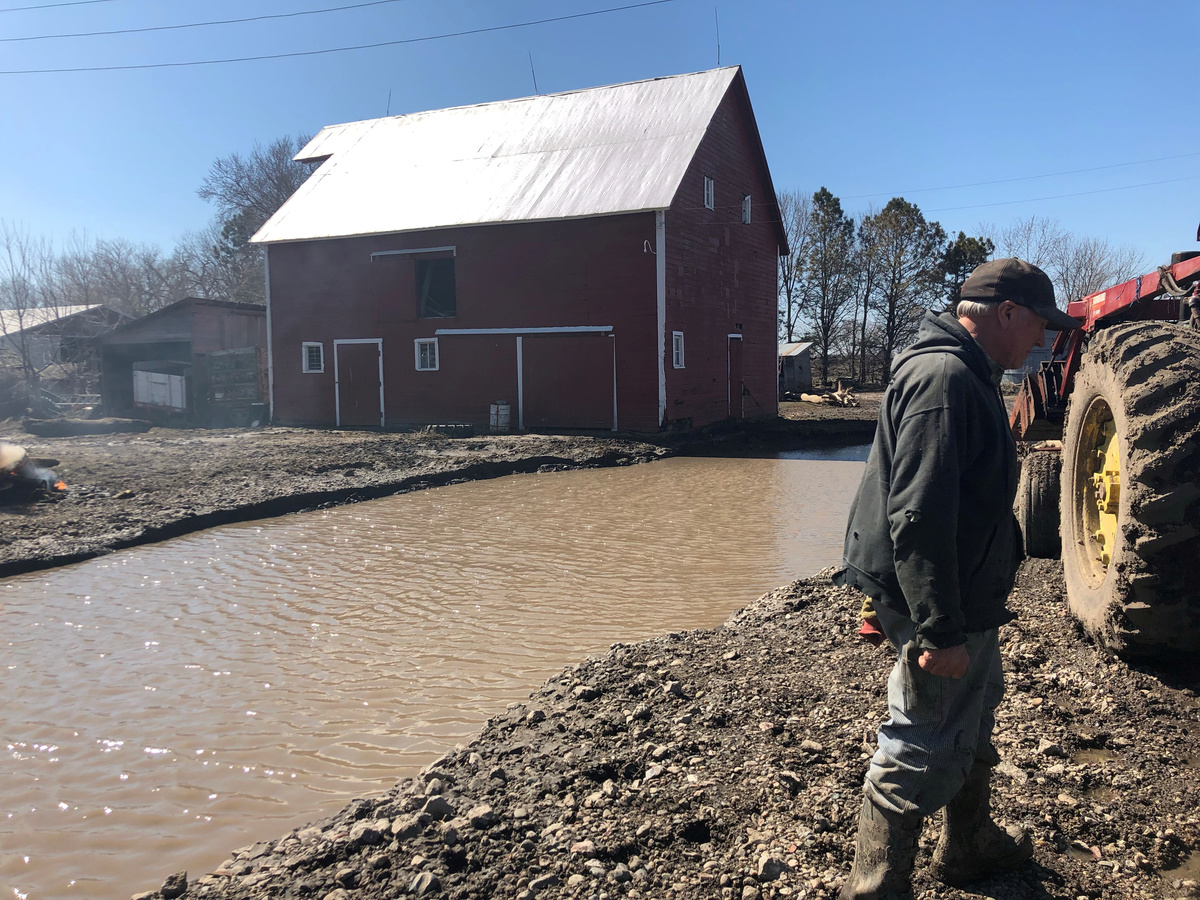
More extreme weather in the Midwest, for instance, will boost the cost of grains for feed, which will cut margins of egg producers like Cal-Maine Foods Inc, he noted. Barge companies such as Kirby Corp that move commodities down the Mississippi River may have more days that operations are out of service because of flooding, he added.
Other fund managers said they were seeking agricultural companies that might actually benefit from more severe weather.
Michael Underhill, chief investment officer at Capital Innovations, said he is focusing on midstream companies such as grains merchant Archer Daniels Midland Co and production companies like equipment maker Deere & Co that may benefit from greater volatility in commodity prices. ADM has a proven track record of hedging commodity bets, he said, while Deere may benefit if higher crop prices following extreme weather prompt farmers to invest in new machinery.
"If you think the next 10 years will look like the last 10 years you are in a for a rude awakening," he said.
LOOKING FOR WINNERS
Incorporating the impact of climate change on agricultural stock valuations is something Wall Street analysts from firms including William Blair, Wedbush and R.W. Baird have largely avoided because it is hard to predict the impact on any one quarter or season. Analysts at these firms follow companies ranging from Bayer AG to retailer Tractor Supply Co
"If weather conditions continue to have a more unforeseeable impact on agro business the best way to model this would be ... to increase the beta-factor within the discounted cash flow model used by me. And no, I have not yet done so," said Ulrich Huwald, an analyst who covers Bayer.
Private research companies like Four Twenty Seven have stepped into that void by providing quarterly climate risk scores for specific companies that focus on the impact of climate change events ranging from wild fires to rising sea levels on supply chains, operations, and trading markets.
Lucas White, a portfolio manager at GMO, runs one of the few actively managed mutual funds that target companies that may be significantly affected by climate change. While his fund has outsized positions in solar companies such as SolarEdge Technologies Inc and First Solar Inc, he also focuses on potash and phosphate producers that may see increasing demand as more severe storms wash away soil nutrients.
"Nobody knows what will happen with commodity prices and it's more or less impossible to predict," he said. "But farmers spend all this time getting their soil to be very productive and all of a sudden a huge downpour comes and they have to start from scratch again. It's very difficult to produce agriculture in a world that is increasingly impacted by climate change."
(This story corrects fund manager's first name to Christopher in the fifth paragraph)
(Reporting by David Randall; Editing by Jennifer Ablan and David Gregorio)