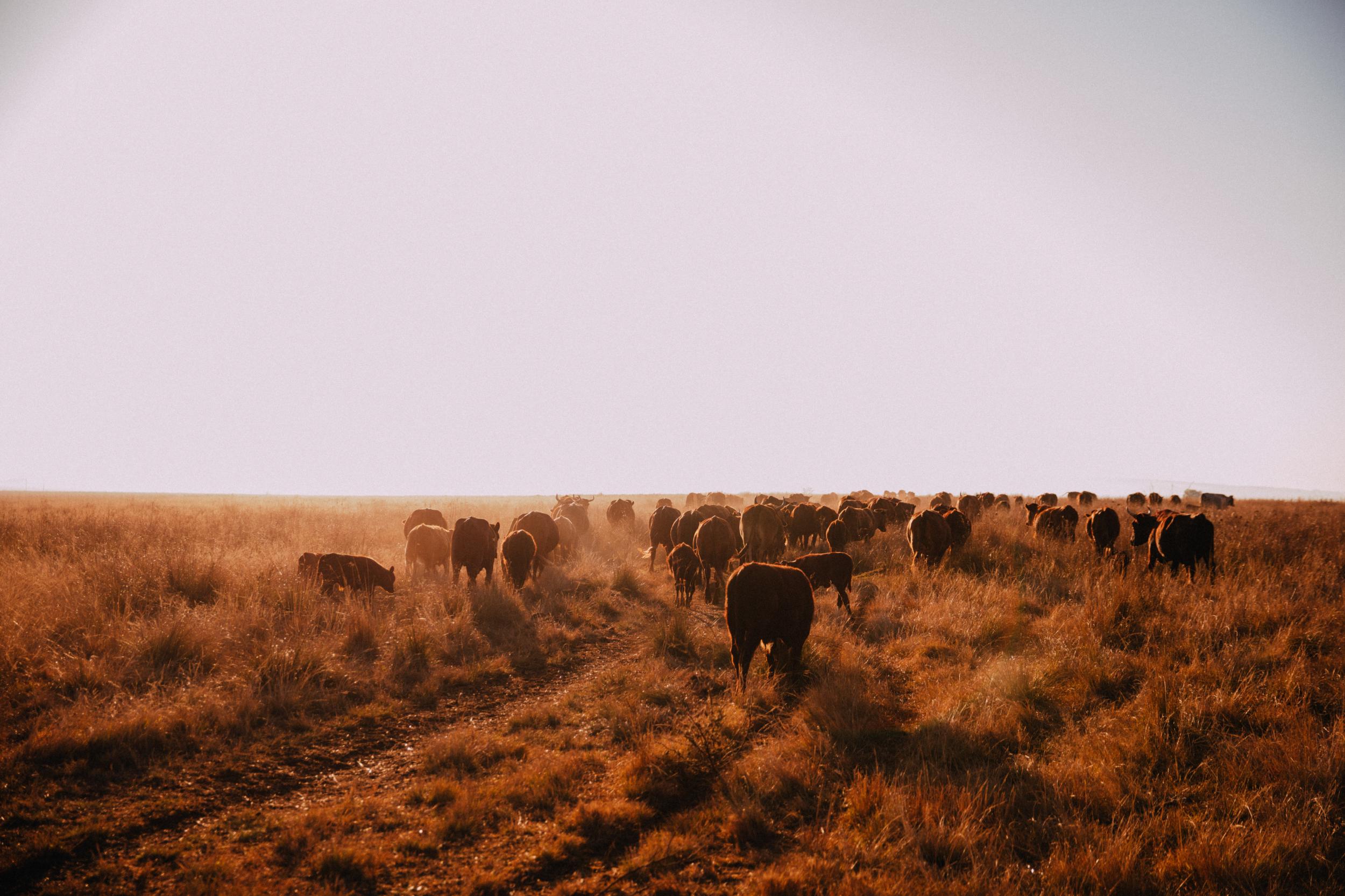
Climate change could turn the Garden of England into a “parched grassland” that is unable to support crops, according to a new study.
Currently, cows and sheep are typically grazed in the north and west of Britain but, by 2100, warmer temperatures could force farmers to switch to more profitable arable farming.
Without significant irrigation, large swathes of the south and east of the country could become too dry for crops and, instead, be better suited to low-density livestock farming, according to new research.
If emissions continue at current rates, Britain will be 5C warmer by the end of the century, and would experience up to 140mm less rainfall during the growing season between April and September, according to the paper published in the journal Environmental Research Letters.
Lead researcher Professor Tim Lenton, from the University of Exeter, said this level of climate change would result in a transformation of the country’s landscape.
He told The Independent: “We’re moving towards a more French or Spanish summer climate.
“The east and southeast will be a parched grassland in the summer and, if there is livestock on it, it will be low stocking level. The lowland grassland plains will be much drier than we’re used to and probably won’t sustain wheat production because they will just be too dry.
“This is unlike the lush grasslands that can support high stocking densities in the UK at the moment.”
Agriculture accounts for 72 per cent of land use in the UK and employs around 1 million people. Arable farming is generally more profitable than livestock farming, but poor soils and steep slopes in the north mean that it is currently often not a viable option.
Although the overall picture is bad for farming, livestock farmers that are able to switch to arable farming might do better.
Dr Paul Ritchie, from the University of Exeter, said: “Britain is relatively cool and damp, so a warmer and drier growing season is generally expected to increase arable production.
“Crops could still be grown with the aid of irrigation, but this would involve either storing large quantities of winter rainfall or transporting water from wetter parts of the country. The amount of water required would be vast, representing a major challenge for UK agriculture.”
Part of the impact of warmer conditions could be offset by higher levels of carbon dioxide in the atmosphere – meaning plants will be able to use water more efficiently. This is because an enzyme contained in plants is more efficient when there is less oxygen in the atmosphere.
Researchers say this is a crucial uncertainty in projecting the impact of climate change on farming land-use and needs to be researched further.
The paper was supported by the Natural Environment Research Council.